Category: Advocacy

Impact of Free Healthcare at 2024 Paris Olympics & Healthcare Accessibility

By Larrell L. Wilkinson, PHAME-US.com

The 2024 Paris Olympic Games have introduced a significant benefit for athletes: free healthcare services within the Olympic Village. This initiative is significant, providing comprehensive medical care to athletes from around the world. The healthcare is an additional benefit, ensuring the athletes can perform at their best without worrying about healthcare costs.

The Olympic Village offers a wide range of medical services, including cardiology, orthopedics, physiotherapy, psychology, podiatry, and sports medicine. This extensive healthcare provision is designed to cater to the unique needs of elite athletes, who often require specialized medical attention due to the physical demands of their sports.

Ariana Ramsey, a U.S. women’s rugby player, has spotlighted her positive experiences with the free healthcare services in the Olympic Village, sharing her journey on social media. Her posts have gone viral, emphasizing the benefits she has received utilizing the healthcare system in France. Ariana’s testimonies offer followers greater understanding of the importance of access to quality health care.

Many people in the United States don’t get the health care services they need. A report from the U.S. Census Bureau shows that about 1 in 10 people in the United States don’t have health insurance (Berchick, Barnett, & Hood, 2018). Strategies to increase insurance coverage rates are critical for making sure more people get important health care services, like preventive care and treatment for chronic illnesses. Voting for policies that expand healthcare coverage, utilizing current healthcare resources consistently, and practicing health promoting behaviors can lead to better health and well-being for individuals and our communities.

Using your voice and your vote can make a difference. In light of ongoing global discussions about healthcare accessibility and affordability, healthcare was is being offered at the 2024 Olympic Games in Paris, France. Importantly, the initiative is supporting physical and mental health, supporting athletes ability to manage the stresses of competition. When the Olympic Games come to Los Angeles, CA in 2028, let’s hope we too will offer free health care to all Olympic Athletes. In fact, let’s do more than hope! Let’s lift our voices and support the Olympic athletes coming to our country and our many neighbors who are here and can benefit from expanded access to health care.

Strategies like providing team-based care and reducing copays can help people get recommended preventive care services. Still, there are other ideas on how to best expand access to healthcare. To find out more about efforts to support greater access to healthcare, consider visiting https://health.gov/healthypeople/objectives-and-data/browse-objectives/health-care-access-and-quality.

References

Berchick, E.R., Hood, E., & Barnett, J.C. (2018). Health Insurance Coverage in the United States: 2017. Retrieved from https://www.census.gov/content/dam/Census/library/publications/2018/demo/p60-264.pdf
Nicole Eggert’s brave battle and raising breast cancer awareness

By PHAME-US Campaign

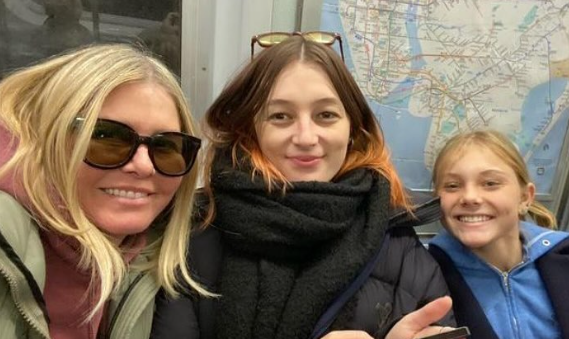
In December of 2023, Nicole Eggert shared publicly that she had been diagnosed with breast cancer. The 52 year old actress and mother of two, popularly known for her roles in popular television shows such as “Baywatch” and “Charles in Charge,” shocked her fans when she revealed her breast cancer diagnosis. By sharing her personal journey, she has become an advocate for breast cancer awareness, shedding light on the challenges that individuals facing this disease encounter.

Nicole Eggert’s decision to share her breast cancer diagnosis with the public is a commendable act that goes beyond personal vulnerability. By doing so, she has actively contributed to the ongoing conversation about breast cancer awareness. Awareness campaigns play a crucial role in encouraging early detection, emphasizing the importance of regular screenings, and dispelling myths surrounding the disease. Eggert’s openness encourages others to prioritize their health and seek medical attention when needed.

In 2024, the American Cancer Society (ACS) (n.d.) estimates about 310,720 new cases of invasive breast cancer will be diagnosed in women. Eggert’s openness about her breast cancer diagnosis not only raises awareness but also encourages a much-needed dialogue about the emotional and physical toll of the disease. The ACS (n.d.) reports that a cancer diagnosis can affect the emotional health of patients, families, and caregivers and is associated with feelings of anxiety, distress, and depression. By sharing the ups and downs of her treatment, she helps break down the stigma associated with cancer, fostering a supportive environment for those facing similar challenges. This dialogue is essential in creating a more empathetic society that understands the complexities of the cancer journey.

To reduce risk of breast cancer, the ACS recommends:

Have you used been screened for breast cancer? Is breast cancer on your health radar? What are your experiences in breast cancer prevention? We encourage the sharing of valuable information and experiences here in the comments section or here on Facebook.

References

Taraji P. Henson is taking a stand to challenge mental health stigma

By Aamya Wilson | UAB Community Health & Human Services Intern

Taraji P. Henson is a beloved actor and veteran in the entertainment industry. She is best known for taking strong female leads that focus on the empowerment and strength of African American women. Though she is a very gifted actress, Taraji has also been a advocate for raising mental health awareness within the African American community. Mental illnesses can be experienced by many each year, with the National Institute for Mental Health (NIMH) reporting 57.8 million adults each year experience any mental illness (AMI) (NIMH, 2023). AMIs are characterized as a mental, behavioral, or emotional disorder and can range from causing no impairment to daily functioning to mild, moderate, and severe impairment (NIMH, 2023).

The percentage of African Americans experiencing AMIs annually is 21.4% or roughly one (1) of out every five (5) African American adults (NIMH, 2023). However, it may seem that challenges in mental health are not discussed within our communities. Not discussing mental illness may be even more detrimental to our health, especially because African Americans have experienced more forms of historical oppression, racism, dehumanization, and race-based violence than other people groups in the United States (SAMHSA, n.d.). Additionally, adverse experiences and negative encounters in the health care system can cause mistrust among African Americans for health care professionals (SAMHSA, n.d.). 

Stigma in discussing mental health challenges and overcoming negative encounters accessing health care is one of several reasons Ms. Henson has established an initiative within her community to create Wellness Pods. In 2018, Taraji, created the Boris Lawrence Henson Foundation in honor of her Veteran father who struggled with his mental health after his time in war. Her foundation was created to battle the stigma against mental health in the Black community and she does this with the He, She, and They Care Wellness Pods initiative within HBCUs. Recently created was the She Care Wellness Pod that is used as a healthy and safe space for Black women who may be feeling overwhelmed, stressed, or depressed.

Taraji has long been an advocate for mental health and therapy for the Black community and she has expressed her own battle with mental health on many different occasions. She even told Entertainment Tonight about her suicide ideation back in 2020. This is one example of many that shows anyone can be affected by mental health and we should show love and support to those within our sphere of influence when something is just “not right.” To help improve your mental health and the health of well-being of those around you, the WWL encourages the following (Tartakovsky, 2022):

  • Getting enough sleep (generally 7 – 9 hours nightly)
  • Spending less time engaged with social media
  • Strengthening your relationships with those are supportive of you
  • Staying active with exercise most days (generally 30 minutes daily)
  • Drinking plenty of water (8+ cups daily)
  • Knowing when to relax, de-stress, and seek help (overcoming previous experiences and advocating for yourself and loved ones)
  • Going outside for sunlight and fresh air

Let’s all work to prevent mental illnesses and build mental resilience by following general health and wellness tips offered by trusted sources. Additionally, it is “OK” and normal to need the help and support of positive and healthy people in your network. As the good song says,…”we all need somebody to lean on.” Finally, seek the support of professionals and if in crisis, use the 988 Suicide & Crisis Lifeline.

Resources

NIMH. (2023, March). Mental Illness. https://www.nimh.nih.gov/health/statistics/mental-illness#part_2540

SAMHSA. (n.d.). Black/African american. SAMHSA. https://www.samhsa.gov/behavioral-health-equity/black-african-american

Tartakovsky, M. (2022, May 2). 8 daily habits for Improved Mental Health. Healthline. https://www.healthline.com/health/mental-health/habits-to-improve-mental-health#sleep

Reflecting on a tragic moment of civil rights history and feelings of yesterday

Larrell L. Wilkinson | PHAME-US

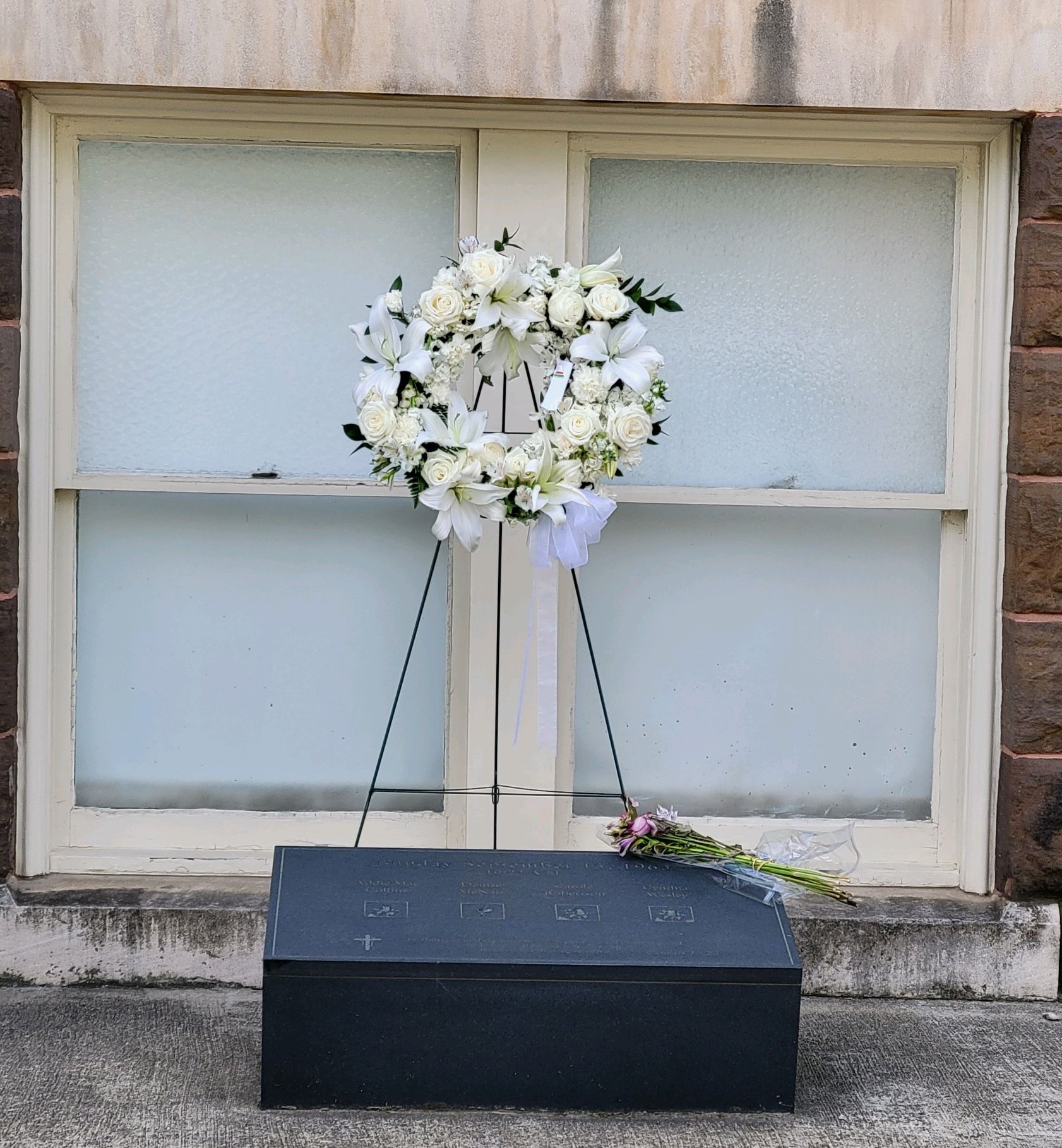
Photo of window at the 16th Street Baptist Church and memorial plaque honoring the memory of the four young girls killed by the KKK bombing of the the church on September 15, 1963.

I knew yesterday was going to hit me hard. During the early weeks of September in Birmingham, AL, the annual commemorations begin. This year marks 60 years since the tragic death of four little girls and the injuries of several others, during the turbulent days of the Civil Rights movement. The City of Birmingham honored the victims of the bombing of the 16th Street Baptist Church on September 15, 1963, during the week of remembrance.

Working in the Birmingham area, I often drive past the historic markers of the Civil Rights movement. I can see the A.G. Gaston Motel, the 16th Street Baptist Church, Kelly Ingram Park, the Birmingham Civil Rights Institute and drive to Montgomery, AL to the Equal Justice Initiative & National Memorial, Dexter Ave. Church, the Rosa Parks Museum, and sacred sites of the movement. This year, 60 years after that fateful day of losing Addie Mae Collins, Denise McNair, Carole Robertson, & Cynthia Wesley, I know that America has made progress towards racial conciliation. I see it daily at my job, during worship occasions at my church, in visiting my children’s school, walking my neighborhood and patronizing businesses in my community. Still, exercising faith for a future that overcomes the actions of hatred manifested by individuals and groups that want to further efforts to separate us in the U.S., by race, by class, by the faith we practice, by any means that furthers their hate filled mission, that faith must be strong and resilient.

The actions of 60 years ago may seem like history to some but are very relevant to communities of people who have additional concerns when we go for a jog, shop at our community stores, or worship in our churches. Our families trade text messages to remind each other to “be safe”, “travel in groups”, “don’t travel at night”, “don’t get off the phone until you get home”, “don’t get gas at night”, “don’t stop at any stores tonight, we’ll order it later”, etc. Perhaps some if you are reading this, you might say, these sayings sound like useful tips. In contrast, others reading these words understand that these aren’t just tips, but necessary actions of life preservation for people feeling maliciously targeted due to their culture. For many, events that happened 60 years ago doesn’t feel like history, it feels like yesterday. Still, these groups of people press forward in hopes that their girls and boys will experience a society where the actions of a hateful few are no longer. Their hope is in a loving God, with the direction to love Him and to also love your neighbor as yourself (New International Version, Matt. 22: 34 – 40). It is in experiencing this form of solidarity that we can share in faith, hope, and love; love being the greatest of these (New International Version, Cor. 13:13).

Selena Gomez opens up about mental health challenges while living with Lupus

By Ashley Peoples | UAB Community Health & Human Services Intern

Photo: @selenagomez/INSTAGRAM

In 2016 Selena Gomez, a singer, and actor, decided to take some time for herself to focus on challenges she was experiencing due to the medical condition, Lupus. According to the CDC (2023), Lupus is a chronic autoimmune disease in which the immune system sees the body’s healthy cells as foreign invaders and attacks them, causing inflammation and harm to the affected organs. Selena learned that the anxiety and depression she was dealing with was a side effect of lupus. Per an interview through CNN, Ms. Gomez stated, “I’ve discovered that anxiety, panic attacks, and depression can be side effects of Lupus, which can present their own challenges”. Her experience with Lupus has motivated her to focus more on her health.

Ms. Gomez discussed the treatment that she received to manage her symptoms. Interestingly, she uses chemotherapy in her treatment. She mentioned, “I was diagnosed with Lupus, and I’ve been through chemotherapy.” Ms. Gomez’s story can foster more understanding regarding Lupus, as many are not aware of the medical condition. According to the Lupus Foundation of America, Lupus impacts 1.5 million Americans. 90% (9 out of 10) people with Lupus are women, many ages 15 – 44. Individuals diagnosed with Lupus may experience symptoms such as pain, tiredness, hair loss, cognitive issues, cardiovascular disease, strokes, disfiguring rashes, and painful joints.

If you are wondering if health challenges you are experiencing may be Lupus, it is important to know the signs. Symptoms to be aware of include:

  • “Butterfly Wings” rash on face
  • Joint pain and stiffness
  • Fatigue
  • Fever
  • Stiffness
  • Shortness of breath
  • Chest Pain
  • Dry Eyes

Although Lupus is a chronic autoimmune disease, it is a fight every day by celebrities and many in our communities experience. Be encouraged and talk to your doctor if you believe you are experiencing symptoms of Lupus. Also, if you have been diagnosed with Lupus, check out the Lupus Foundation of American website here to locate a support group near you. You can also find support groups on Facebook and other forms of social media.

References:

Centers for Disease Control & Prevention. (2023). Lupus. https://www.cdc.gov/chronicdisease/resources/publications/factsheets/lupus.htm

Kounang, N. (2016, August 31). Selena Gomez’s disease: What is lupus? CNN. https://www.cnn.com/2015/10/08/health/selena-gomez-reveals-she-has-lupus/index.html

Lupus Foundation of America. (2023). Lupus facts and statistics. https://www.lupus.org/resources/lupus-facts-and-statistics

Yahoo! (n.d.). Selena Gomez calls lupus an “everyday struggle”: What are the signs and symptoms? Yahoo! News. https://news.yahoo.com/selena-gomez-lupus-awareness-month-125648535.html?fr=yhssrp_catchall

Light of the World, LLC. – Birmingham business aiming to bring light to mental health issues.

Amanda Benko | UAB Community Health and Human Services Intern

Photo by cottonbro studio on Pexels.com

Last weekend I had the pleasure of meeting with Mr. Xavien Tate, Chief Executive Officer for a local business called “Light of the World.” At his launch party, Mr. Tate was kind enough to inform us of the many services offered by his group. Everything from travel therapy, financial therapy, peer coaching, life coaching (individual and group setting), and much more. Mr. Tate says his inspiration comes from the Bible; “Let your light shine before men in such a way that they may see your good works and glorify your Father who is in heaven.” Matthew 5:16

What impressed me most was that he offers cleaning therapy. Not many people realize that there is a correlation between mental health and cleanliness in the home. Often when mental health issues take over, the home can become overwhelmingly daunting and thus only worsen. Mr. Tate recognizes an issue and a need for these matters. Check out the live video on Wilkinson’s Wellness Lab for an interview with Mr. Tate and his staff. Please check out this local business, and help be the light of the world.

To learn more or seek assistance, please check out lwicorp.org or follow on Facebook: https://www.facebook.com/LWICORPLLC or visit: https://www.lwicorp.org/

Pete Davidson – It’s OK when you are not OK

Angela Wilson | UAB Community Health & Human Services Intern

Photo: Saturday Night Live @NBCSNL on Instagram

Pete Davidson is a comedian, actor, and writer.  He made us laugh for many years while performing outrageous skits on the late-night series, Saturday Night Live, but America’s funny man has checked into a rehabilitation facility, and it is no laughing matter (Drillinger, 2023) . Davidson has always been transparent about his diagnosis of post traumatic stress disorder, (PTSD) and borderline personality disorder. Sometimes we think that entertainers are exempt from mental health issues, but Davidson is the epitome of that not being the case.  Pete Davidson is one of millions of Americans who suffer from mental health disorders, partially brought on by the death of his father in the September 11, 2001 attacks.

Like Pete, many Americans need therapy to help protect their mental health, and according to Cindy Sharp, a local Clinical Social Worker/ Therapist, who specializes in trauma, anxiety, and depression, there has been a spike in people seeking mental health services. Worry, grief, self-doubt, anxiety, losing loved ones, and divorce are things that we all go through at some point in our lives. However, due to the stigma attached to mental health, we often do not seek out the help that we need. People end up suffering in silence as they struggle with day-to-day living. Most of us will go to a doctor when our physical body is in pain, but when our mental state is hurting, we do not put forth the same energy. We need to normalize and destigmatize taking care of our mental health.

Mrs. Sharp’s practice focuses on a holistic approach to therapy.  She feels passionate about providing an environment where people with mental health issues can feel safe and supported so they can embrace positivity and begin the journey to heal.  She is just one of many therapists who can help you explore your troubling issues. 

If you are struggling with your emotions, thoughts, or behaviors and feel that your mental health is at risk, please seek help! It is OK so say you are not OK.  Pete Davidson realized he was not ok and took the necessary steps to get help. How many others are willing to do the same?

References

Drillinger, M. (2023). Pete Davidson Checks Into Rehab for PTSD, Other Mental Health Issues. Healthline. https://www.healthline.com

Dear Black Girl & Dear Black Boy: Interview with author Dr. Cheri Langley

By Angela Wilson | UAB Community Health & Human Services Intern

Photo by Jairo David Arboleda on Pexels.com

I had the privilege of interviewing the author of Dear Black Girl and Dear Black Boy.  Dr. Cheri N. Langley wrote these books that brings visibility, perspective, and awareness to some of the issues that impact African American boys and girls.  These short, colorful poems help children process some of the racial tensions that they are facing in society.  Dr, Langley further acknowledges that being a black boy in America can carry anxiety and she offers advice on how to engage with law enforcement that could possibly save lives.

In Dear Black Girl, Dr. Langley approaches the issues of racism, sexism, and misogynistic stereotypes experienced by young African American girls. This literature is to invoke conversation and facilitate a healthy dialogue between young black girls and their parents and caregivers.  The language in both books is in poetry form with pictures that are captivating. Dr. Langley does an outstanding job with describing the life of young African American children and commanding their attention to these stories. Her dedication is inscribed at the beginning of the story where she assures her audience that they are loved, and their voices are heard. She brilliantly puts discussion questions at the end of the books that parents can use to help their children understand the contents and purpose. These books serve to bring truth, facts, and compassion to African American children who may not have a voice. Dr. Langley feels that it is important for children of other races to read the book so they can see the lives of their African American peers through their lens.

Dr. Cheryl Langley’s inspiration for Dear Black Boy came from watching the video of George Floyd. Being the mother of two black sons, she said she could not just “look away” from such a horrific incident and felt the need to write to reach little black boys who may be crying out for help.  Dr. Langley is an advocate for underserved and minority populations and has been heavily involved with research involving HIV and AIDS, and sexually transmitted infections awareness and prevention.  She uses her background in behavioral sciences and her work through novels and poems to help facilitate her journey to create positive change, protest injustices, and increase dialogue regarding systemic inequality.  

If you are interested in purchasing either of these works, please check out: https://www.amazon.com/stores/Dr.%20Cheri%20N%20Langley/author/B097QQL3RW

References:

Langley, C. (2023). Dear Black Boy. Dear Black Girl. Langleyresearch.org

Taraji P. Henson Brings Awareness to Mental Health

By Terrie Johnson | UAB Community Health & Human Services Student

Photo by Mizuno K on Pexels.com

Recent attention has been brought to the fact that there is an aspect of adolescent mental health that is often ignored. According to Taraji P. Henson, who serves as a self-appointed ambassador for juvenile mental health, African American youth often experience race-based educational bias (People, 2021). This is closely connected to the fact that these young people commonly receive harsher punishments from school administrators for disciplinary measures. When this occurs, it not only amplifies the school to prison pipeline, but it also makes African American youth feel they are unworthy of empathy, compassion, and/or leniency (People, 2021).  

As a result of this continuing trend, Henson feels African American youth develop anxiety, depression, and a desire to practice social isolation. To prevent adding to reduced mental health in this population, it is encouraged that educational institutions not criminalize actions beyond the measures given to the peers. To assist with this, Henson launched the Unspoken Curriculum. This is a mental health education initiative that addresses persistent psychological risks faced by young black students in the education system (People, 2021). The 6-week program seeks to identity, define, and increase understanding of the existence of race-based educational bias (ABC News, 2021).

With celebrities like Taraji P. Henson joining the fight to save African American youth, average individuals should also feel empowered to evoke. Citizens can rally parents to reach out to school administrators and superintendents through letters and emails to ensure these children are shown kindness, grace, and consideration (ABC News, 2021). They can also enroll youth in the Unspoken Curriculum or similar mental health education programs. This can increase their ability to deal with external and internal stressors in an acceptable and healthy fashion. Overall, the goal is for the nation to join the prevention of criminalizing African American youth in educational institutions (ABC News, 2021). What are your thoughts on ways schools can assist with good mental health for young African American students?

References

ABC News. (2021). Taraji P. Henson talks campaign to address mental health risks for Black

students. ABC News. https://abcnews.go.com/GMA/Culture/video/taraji-henson-talks-

campaign-address-mental-health-risks-77823025

Calhoun, Amanda. (2021). The Intersection of Black Youth Mental Health and Racism

Medpage Today. https://www.medpagetoday.com/opinion/theactivistpsychiatrist/95422

People Magazine. (2021). Taraji P. Henson launches campaign to help black students fight mental health struggles. PEOPLE. https://www.youtube.com/watch?v=-cPJitRAM78

Women of color, celebrity, and risks during pregnancy

By Ashley Peoples | UAB Community Health & Human Services Intern

Photo by Kei Scampa on Pexels.com

On May 2, 2023, Tori Bowie was found dead at her home in Florida following a welfare check performed by local authorities. In June 2023, medical officials said that the world class athlete suffered possible complications that included eclampsia. Eclampsia is a health condition associated with high blood pressure when a woman is pregnant that can lead to seizures, coma, or death (CDC, 2023). Eclampsia may be preceded by preeclampsia. Preeclampsia is a disorder of pregnancy indicated by the beginning of high blood pressure and often a substantial amount of protein in the urine (CDC, 2023)

Beyoncé is a well known artist, actor, singer, and song writer. During her pregnancy with her twins, Rumi and Sir Carter, she had a Caesarean section. Mrs. Carter was placed on bed rest, according to The Washington Post. Mrs. Carter was diagnosed with toxemia per the Washington Post as well. Toxemia is when the blood has poison in it, also referred to as preeclampsia.

According to the NIH (National institute of Medicine) African American women in the United States have higher risk of preeclampsia. The prevalence of preeclampsia has risen significantly within the past 20 years among African American women (Karrar & Hong), 2023). Consistent readings of blood pressure measures of higher than “140 over 90” may indicate that a pregnant woman has preeclampsia. Specifically, 140 is the top number measures systolic blood pressure and the bottom number, 90, measures diastolic blood pressure. To learn more about blood pressure readings, visit the American Heart Association

Mrs. Carter stated “My health and my babies’ health were in danger, so I had an emergency C-section” per an interview in the Washington Post. Mrs. Carter is lending her voice by telling her story, raising awareness of circumstances experienced by African American women regarding pregnancy. Her interview and actions are in alignment with public and community health efforts to raise awareness and support to address preeclampsia and eclampsia. For more information regarding these conditions and other pregnancy resources, please visit the March of Dimes, Preeclampsia Foundation, and campaigns by the CDC.

Are you or someone you know currently pregnant? What concerns do you have during your pregnancy? What recommendations do you have for expectant mothers? As Mrs. Carter stated “I was in survival mode and did not grasp it all until months later. Today I have a connection to any parent who has been through such an experience” (WP, 2021). Connect with others and let’s share our experiences in support of one another. Share in the comments section below and/or visit us on Facebook here.

References:

WP Company. (2021, October 25). Beyoncé, Serena Williams open up about
potentially fatal childbirths, a problem especially for black mothers. The
Washington Post. https://www.washingtonpost.com/news/morning-mix/wp/2018/08/07/beyonce-serena-williams-open-up-about-potentially-fatal-childbirths-a-problem-especially-for-black-mothers/

Karrar SA, Hong PL. Preeclampsia. [Updated 2023 Feb 13]. In: StatPearls [Internet]. Treasure Island (FL): StatPearls Publishing; 2023 Jan-. Available from: https://www.ncbi.nlm.nih.gov/books/NBK570611/