Category: Advocacy

The History Behind Carrie A. Tuggle Elementary School

Angela Wilson | Intern UAB School of Education | CHHS

Photo: Instagram | #carrieatuggleelementaryschool

The History Behind Tuggle Elementary School

Tuggle Elementary School is located in Birmingham, Alabama and has approximately 472 students from Pre-Kindergarten to fifth grade. Although it has been affiliated with The Birmingham City School System since 1926, many natives of Birmingham are oblivious to the remarkable history embedded in its name.

Tuggle Elementary School is named after Carrie A. Tuggle, a fierce innovator whose trailblazing efforts are still visible today.  She was born in 1858 in Eufaula, Alabama and subsequently married John Tuggle and had four children.  The couple eventually moved to Birmingham in search of better job opportunities.

Mrs. Tuggle excelled in education, social work, and religion, and found her calling when she began working with delinquent boys as a welfare officer.  After speaking on behalf of boys as young as ten years old, she was inspired to provide housing accommodations for orphaned black children.  She initially took them into her home, until she was able to open a single-building school in September 1903. Named The Tuggle Institute this facility allowed black, destitute orphans and juveniles to receive an education. She also used her courtroom experience to help create The Jefferson County Juvenile and Domestic Court. 

The Tuggle Institute garnered praise from the citizens of Birmingham and was noted for its substantial contributions to the advancement of black people.  Some outstanding alumni who credit Mrs. Tuggle for her influence include Dr. A. G. Gaston, John T. Wheatley, and Erskine Hawkins, to name a few. The Tuggle Institute became affiliated with the Birmingham City Public Schools in 1926. In 1936, The Board of Education named it the Carrie A. Tuggle Elementary School.

Carrie A. Tuggle died in November 1954 and is buried on the school’s ground. There is memorial plaque with these words inscribed: “Carrie A. Tuggle, a scholar, educator, and servant of mankind.” To learn more about Mrs. Tuggle and Carrie A. Tuggle Elementary School, check out https://alafricanamerican.com/beyond-the-book-honoree-archives/beyond-the-book-carrie-tuggle/

References:

Alabama Women’s Hall of Fame. Carrie A. Tuggle. http://www.awhf.org.

Beyond the book – Carrie A. Tuggle – Alabama African American history. Alabama African American History – sponsored by AT&T. (2022, January 14). https://alafricanamerican.com/beyond-the-book-honoree-archives/beyond-the-book-carrie-tuggle/

Lizzo Is PHAT and Fed Up! Is There Any Kindness on Social Media?

Angela Wilson | Intern UAB School of Education | CHHS

Photo by Pixabay on Pexels.com

Is There Any Kindness on Social Media?

Melissa Viviane Jefferson, also known as Lizzo, is a talented singer, songwriter, rapper, and actress.  She is a trained flutist and has cemented herself in history by playing a crystal flute that President James Madison once owned at a concert in Washington, D.C.  She has won four Grammy Awards, two Soul Train Awards, and a Billboard Music Award.  With over 13 million Instagram followers, there is no denying that Lizzo is a hip- hop and cultural icon. But with all her wealth, success, and fans, Lizzo is ready to call it a quits.  She admits to being fat and she (usually) proudly displays her body in skimpy, revealing outfits, but not without social media trolls reminding her that she is overweight.

One would think that having a voice and stage presence as large as Lizzo’s, she would be somewhat shielded from mean spirited people who seem to get joy from name calling. Unfortunately, this is not the case.  Lizzo is constantly fat shamed because of her body.  She posted to her Twitter account (in part), that she was close to giving up and quitting because of all the name-calling she receives.  She concluded that the love she receives does not outweigh the hate.  So here we are (seemingly) on the cusp of losing one of the most influential hip-hop icons of our time, all because of a lack of kindness and compassion from the social media community.

Lizzo’s experience is just a small sample of a larger issue that is impacting millions of Americans. As our world leans more toward innovative technology and digitalization, we are seeing an increase in people being targeted by online bullying and offensive name-calling.  According to The Pew Research Center (Vogels, 2021), 41% of adults have experienced online harassment, and women are more likely than men to be victims.  While some perpetrators perceive cyberbullying as harmless fun, the effects of cyberbullying are serious. Victims of online bullying may experience feelings of distress, increased feelings of mood swings and depression, insomnia, low self-esteem, and even suicide.   So, while Lizzo’s platform brings visibility to this ongoing issue, there is a significant amount of work to be done to help alleviate it, and that work starts with each of us. As social media users, we need to get involved and actively promote a safe, supportive, and welcoming online environment for people being bullied.  There are no bystanders when it comes to cyberbullying and harassment. So, the next time you are on Facebook, Instagram, or any other social media platform, and you see someone being cyber-bullied, will you interject with kindness and be a part of the solution, or be a part of the problem?

References

Cuncic, A. (2022). Verywellmind. The Psychollogy of Cyberbullying. https://www.verymind.com.

Vogels. E. (2021). Pew Research. The State of Online Harassment. www.pewresearch.org.  

Dying To Be Perfect

Angela Wilson | Intern UAB School of Education | CHHS

Photo by Paras Griffin/Getty Images

Jacky Oh was a Beautiful, talented mega-influencer, model, and socialite who seemed to have everything.  She was a YouTuber, an entrepreneur of a lip gloss line, and a regular star on the hit comedy and cultural phenomenon, “Wild ‘N Out”.  She had amassed an Instagram following of more than a million people and had three beautiful children with her longtime partner, comedian and rapper, DC Young Fly.  Unfortunately, at just 32 years old, Jacky Oh, whose real name is Jacklyn Smith died. 

The vivacious beauty posted on her Instagram page that she was going to have a “mommy makeover” and that she would reveal the results of her procedure on her YouTube channel.  She seemed very excited about the possibility of improving her body, by tightening up the problem areas just months after giving birth to her son. She and her doctor, Dr. Zachary Okhah, were all smiles standing next to each other while flirtatiously piquing the interest of her fans. The publicity seemed to be destined for a promotional win and money maker for both of them, but something went terribly wrong. 

According to the American Society of Plastic Surgery, a mommy makeover can include targeting more than one area of a woman’s body,. Often the surgery of choice for women who have noticed significant changes in their bodies as a result of gaining and losing weight, breastfeeding, and other physical changes during motherhood. The typical problem areas are the breasts and the abdomen.  The breasts began to loose shape after breast-feeding, and the abdominal muscles, tissues, and skin that stretch during pregnancy to accommodate the fetus, may not snap back after giving birth. This leaves women with layers of excess abdominal skin usually accompanied by unsightly stretch marks.  If you are in the entertainment business and your revenue is generated based on how good you look, or how fit your body is, it is easy to see why Jacky Oh decided on a mommy makeover. 

A mommy makeover may consist of breast augmentation, a breast lift, a tummy tuck, circumferential abdominoplasty, and liposuction. It may seem like an easy, quick way to get your pre-pregnancy body back, but there are several risks involved. These risks include infection, bleeding, hematoma, unfavorable scarring, necrosis, cardiac and pulmonary complications, persistent pain, contour deformity, fat embolization, anesthesia risks, and even death.

While speculation is running rampant about the exact cause of death of Jacky Oh, the only thing that is certain is that 3 children will grow up without their mother, millions of fans will be without their shining star, and a loyal man be without his partner.  I cannot help but ask myself, is having cosmetic surgery worth the risk?

References

America Society of Placstic Surgeons. (2023). Mommy Makeover Risks and Safety. https://www.plasticsurgery.org.

Brito, Christopher. (2023, June 2). Jacky Oh, Wild ‘N Out Cast Member, Dead at 32.  https://www.cbsnews.com.

What Tina Turner Wanted You To Know About Prevention.

Amanda Benko | Intern UAB School of Education – CHHS

Tina Turner in 2018. Photo: FRANZISKA KRUG/GETTY

News of the death of Tina Turner broke the hearts of people worldwide. An inspiration to many, and a legend to all. “Turner was the first black artist and the first female artist to feature on the cover of Rolling Stone, according to the music publishing company BMG.” (Powell et al., 2023) The renowned singer and actress had been secretly battling illness. She had reportedly survived a stroke, kidney disease, and other conditions, such as intestinal cancer, which she was diagnosed with in 2016. A few days before her passing, Tina Turner warned her fans to look after themselves and listen to their bodies as she raised awareness of the common issue of kidney failure. In her social media post, Tina Turner wrote, “My kidneys are victims of me not realizing that my high blood pressure should have been treated with conventional medicine. I have put myself in great danger by refusing to face the reality that I need daily, lifelong therapy with medication. For far too long, I believed that my body was an untouchable and indestructible bastion,” (Whitman, 2023). Turner had been suffering from a kidney disease before her 2016 cancer diagnosis.

One of the major causes of kidney failure is high blood pressure (Mirror, 2023). Despite knowing she had a problem with high blood pressure, Turner says she failed to treat it. Tina required daily medications to manage her blood pressure. However, she failed to implement medicine into her routine, believing that her body was an indestructible and invulnerable bastion. Despite the developing signs and symptoms, which she blamed on medications, Turner kept ignoring them, only to realize that her kidneys were entering their final stage. Turner’s kidneys had reached an irreversible stage since their functions had hit an all-time low due to the inconsistency in taking her medications. In 2017, her doctor advised her that she would need 9-month dialysis before undergoing a kidney transplant. One of the lessons we can learn from Turner’s final days is that we should not ignore the message our body is trying to communicate to us. Listen to Tina, and don’t be naïve about your health.

RIP Tina Turner – Thank you for all the years of entertainment and inspiration!

References

Gordon, L. (2023, May 24). Tina Turner said she put herself in “Great danger” weeks before her death. Mirror. https://www.mirror.co.uk/3am/us-celebrity-news/tina-turners-emotional-last-post-30069740

Powell, T., Chowdhury, M., & Vera, A. (2023, May 25). Tina Turner dies at 83 – News and Tributes. CNN. https://www.cnn.com/entertainment/live-news/singer-tina-turner-death-news/index.html

Whitman, S. (2023, May 25). Tina Turner’s health: Her cancer battle, Stroke & Kidney Disease before she died. Hollywood Life. https://hollywoodlife.com/feature/tina-turner-health-5106537/

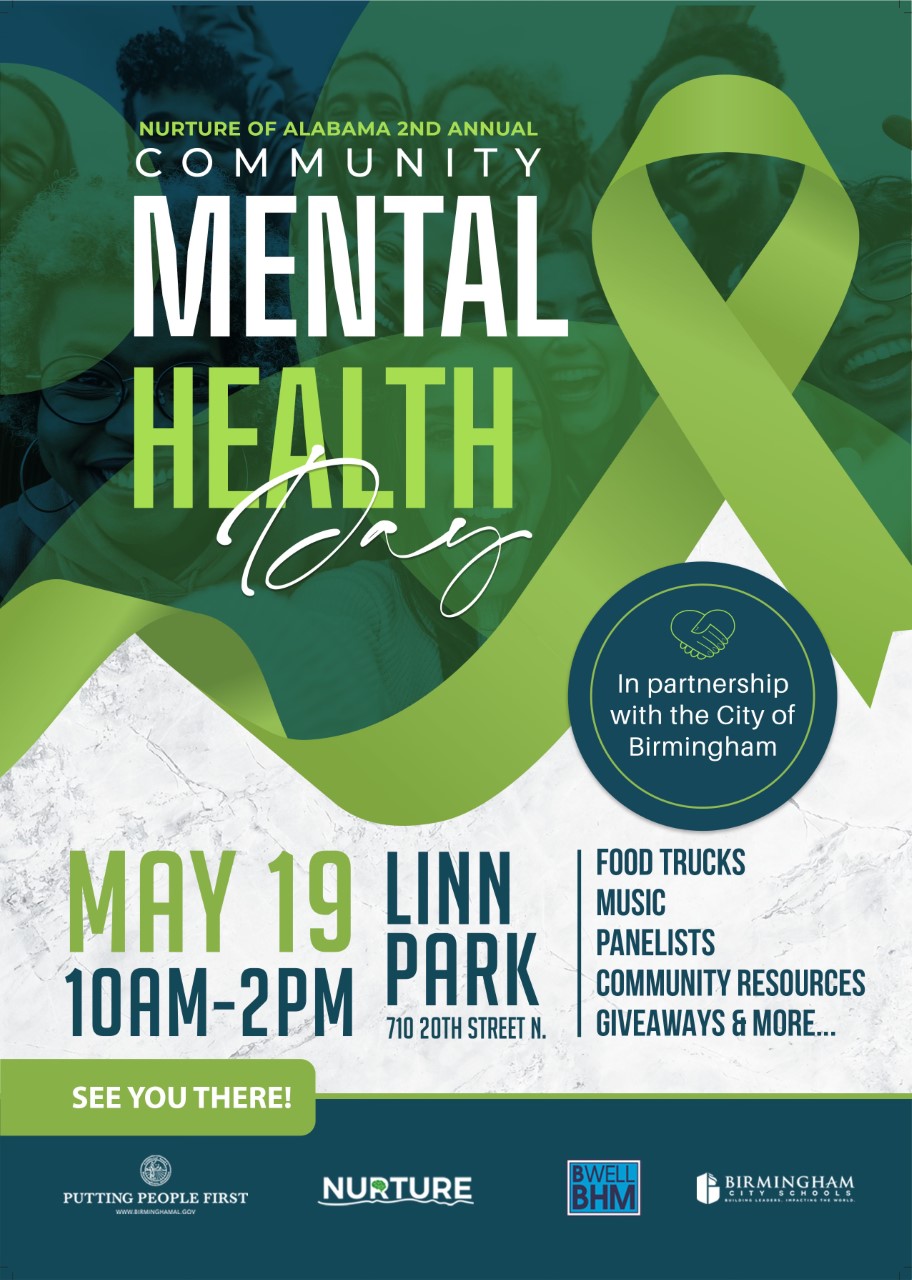
The City of Birmingham 2nd Annual Mental Health Day

By The PHAME-US Campaign

Join the PHAME-US.com and Wilkinson Wellness Lab team at this community event sponsored by Nuture, LLC, the City of Birmingham, AL and Birmingham City Schools. The event is free and open to the public.

Nurture of Alabama believes Birmingham can thrive, especially if communities address the mental health crisis experienced in our neighborhoods. Through the event Friday, May 19th, Nurture’s goals are to: 1) remove the stigma of mental health support, 2) improve mental health services accessibility, and 3) provide community education on mental health & wellness.

The event will have chair massages, a licensed professional counselor providing depression screenings, speakers,  free resources, giveaways, local food trucks,  yoga sessions, line dancing, blood pressure checks and more. So come out, have a good time, and let’s engage in mental wellness!

Supporting HBCUs to overcome historic underfunding

By Terrie Johnson | UAB Community Health & Human Services Intern

Photo by Ron Lach on Pexels.com

Historically Black Colleges and Universities (HBCUs) have a history in the United States of being underfunded due to varied underlying factors. One of the reasons may the history of systematic inequities. In other words, the discriminatory practices prevalent during the history of the United States, may still impact Black institutions today. Throughout the history of HBCUs, the principal mission has been to education the African American population. Since HBCUs have been tied to the Black population, they are often on the receiving end concerning limited funds allocation (Bagasra et al., 2022). Over time, this issue has caused chronic state underinvestment in HBCUs. Thus, such institutions continue to suffer from a lack of critical funds to run operations.

Additionally, lower alumni contribution is a factor in the continued underfunding of HBCUs. However, this issue is also linked to the socioeconomic position of many African-Americans within the United States. For example, most HBCU alumni earn less when compared to their White college graduate counterparts (Bagasra et al., 2022). This situation creates a gap in the level of contributions that Black alumni from HBCUs can make to advance the institutions. The amount of Black wealth in the United States is comparatively lower. As such, it cannot provide the needed funding to advance the functionality of HBCUs. The current situation in the country, whereby Blacks have limited economic opportunities, further perpetuates the financial circumstances of HBCUs (Bagasra et al., 2022).

Despite the financial pressures experienced by many HBCUs, can be increased through the adoption of critical best practices. For example, a public-private partnership can be encouraged to increase funding sources for institutions. The creation of greater awareness regarding this initiative will advance contributions toward the improvement of HBCUs (Jones et al., 2017). Moreover, greater advocacy for equity at the state and federal level can lead to changes in policies that provide greater support to HBCUs. Improved educational experiences may lead to advancements in African-American capital, which in turn would allow for alumni to give back to their HBCUs. This is why all African Americans should consider contacting (i.e., tweet, email, letters, phone calls, etc.) their state and federal representative and government leaders advocate for more HBCU funding. Check out this link for the United Negro College Fund (UNCF) to learn more and advocate. Share your advocacy story with us in the comments section or on Facebook.

References

Bagasra, A., McLetchie, A., & Wesley, J. (eds.). (2022). Contributions of historically black colleges and universities in the 21st century. IGI Global.

Jones, T., Jones, S., Elliot, K., Owens, L., Assalone, A., & Gándara, D. (2017). Outcomes based funding and race in higher education: Can equity be bought? Springer.

Birmingham’s Mayor Wants to Shelter the Homeless

By Terrie Johnson | UAB Community Health & Human Services Intern

Photo by MART PRODUCTION on Pexels.com

Birmingham’s mayor, Randall Woodfin recognizes the need for shelters for the homeless people. This leader has proposed building structures that would house individuals without homes. It is an idea that is intended to improve safety for homeless people. Additionally, it may provide leverage for advanced care for vulnerable individuals in Birmingham.

Working toward fulfilling the needs of disadvantaged individuals should be at the core of any leader. Mayor Woodfin demonstrates a critical undertaking by proposing the construction of shelters for homeless people. Once actualized, this plan will create a path for a safe space to sleep. A foundational aspect of the proposal is that Birmingham Mayor Woodfin recognizes the underlying suffering among homeless individuals (WVTM 13, 2023). This stance is a life-changing proposal for the city and the United States. Thus, being at the forefront in vouching for the plan signifies a promising incentive toward developing safe living for the vulnerable population.

Even though the homeless individuals will get prefabricated tiny homes, the move by Woodfin represents an improvement for the vulnerable population. This initiative will create a path for learning that will improve the situations of the affected people in Birmingham. Whereas the plan for purchasing the prefabricated houses has not been approved, the proposal highlights care for the homeless residents (Associated Press, 2023). It also shows increased awareness of the best approaches among the city’s leadership to take steps to remedy challenges. From a critical perspective, Woodfin provides insights that should be emulated by other mayors across the U.S. Their active stance in such an initiative will spare the U.S. the homelessness issue. What benefits do you think assisting the cities homeless could provide?

References

Associated Press. (2023). Birmingham Mayor proposes micro-shelters for unhoused people. U.S. News. Retrieved from https://www.usnews.com/news/best-states/alabama/articles/2023-01-07/birmingham-mayor-proposes-micro-shelters-for-unhoused-people

WVTM 13. (2023). Birmingham mayor proposes providing micro-shelters for homeless people. Wvtm 13. Retrieved from https://www.wvtm13.com/article/birmingham-mayor-woodfin-proposes-micro-shelters-homeless-tiny-home/42424430

Defeating Diabetes in the African American Community

By Regina Dodson | Community Health and Human Services Intern

Diabetes is a chronic disease that affects millions of people worldwide, and it is becoming increasingly prevalent in the African American community. According to the American Diabetes Association, African Americans are almost twice as likely to be diagnosed with diabetes as non-Hispanic whites. This is a significant problem that must be addressed to prevent the debilitating complications associated with the disease.

There are several reasons why diabetes is affecting the African American community. A primary factor is genetics, as research has shown that African Americans are more likely to develop diabetes due to their genetic makeup. Additionally, there are social determinants of health that contribute to the higher prevalence of diabetes in African Americans, such as limited access to healthcare, poverty, and discrimination.

Food deserts, defined as areas where there is limited access to healthy and affordable food options, are also prevalent in African American communities. They have been linked to a higher incidence of diabetes. Access to healthy food options is critical for the prevention and management of diabetes, as a healthy diet is a primary component of diabetes management. The elimination of food deserts in African American communities can help to reduce diabetes.

According to the Journal of Public Health Management and Practice, food deserts are more prevalent in African American communities compared to white communities, and they are associated with a higher incidence of diabetes. Lack of access to healthy food options can lead to a diet high in saturated fats, sugar, and processed foods, which are all risk factors. In addition to the lack of access to healthy food options, food deserts are also associated with poverty, which can lead to limited financial resources to purchase healthy foods. Low-income individuals are more likely to live in food deserts, and they are at a higher risk of developing diabetes due to their limited access to healthy foods (Walker et al, 2010).

Food deserts can be minimized in African American communities by investing in grocery stores and farmers’ markets that provide fresh produce and healthy food options. Additionally, community gardens and urban farming initiatives can help to provide healthy food options in underserved communities (Walker & Block, 2011). Community gardens and urban agriculture programs have been shown to be effective in increasing access to healthy foods in low-income neighborhoods. These programs provide residents with fresh fruits and vegetables, which can help reduce the incidence of diabetes and other chronic diseases and improve overall health outcomes (Lebrón et al, 2019).

References:

LeBrón, A. M. W., Schulz, A. J., Gamboa, C., Reyes, A. G., & Cordero, E. D. (2019). Food environment interventions to improve the dietary behavior of African Americans: A systematic review. Preventive Medicine Reports, 15, 100940.

Walker, R. E., Keane, C. R., & Burke, J. G. (2010). Disparities and access to healthy food in the United States: a review of food deserts literature. Health & place, 16(5), 876-884.

Walker, R. E., & Block, J. P. (2011). Opportunities for intervention: changing the environment to improve health. Journal of Public Health Management and Practice, 17(Suppl 1), S44-S50.


How to Kill Cancer in the African American Community

By Regina Dodson | UAB Community Health and Human Services Intern

Cancer is a leading cause of death in the United States, and there is also a high prevalence of the disease affecting the African American community. African Americans have higher cancer mortality rates than any other racial or ethnic group, with a 14% higher overall cancer death rate than non-Hispanic whites (ACS, 2021). This disparity can be caused by a variety of factors, including socio-economic status, lifestyle factors, and limited access to healthcare.

One solution to reduce cancer disparities in the African American community is to increase access to cancer screenings. Early detection is crucial in the treatment of cancer, and regular cancer screenings can help detect cancer at an early stage, when it is most treatable. However, African Americans are less likely to receive cancer screenings than non-Hispanic whites, due to limited access to healthcare (ACS, 2021).

Community-based interventions have shown promise in increasing cancer screening rates in the African American community. These interventions involve community outreach and education, providing information on the importance of cancer screenings and how to access them. The Patient Navigation Program provides individualized support to people wishing to be screened for cancer, including transportation and other logistical support (Ferrante et al., 2011).

Another community-based intervention is the use of mobile mammography units, which bring mammography services to underserved communities, making it easier for women to access breast cancer screenings (Willems et al., 2019). Mobile mammography units have been shown to be effective in increasing breast cancer screening rates in underserved populations, including African American women.

Increasing access to cancer screenings in the African American community is crucial for reducing cancer disparities. Community-based interventions, such as the Patient Navigation Program and mobile mammography units, can help increase cancer screening rates in underserved populations. By improving access to cancer screenings, we can help detect cancer at an early stage, leading to better treatment outcomes and ultimately reducing cancer mortality rates in the African American community.

References:

American Cancer Society (ACS). (2021). Cancer Facts & Figures for African Americans 2021-2023. Retrieved from https://www.cancer.org/content/dam/cancer-org/research/cancer-facts-and-statistics/cancer-facts-and-figures-for-african-americans/cancer-facts-and-figures-for-african-americans-2021-2023.pdf

Ferrante, J. M., Chen, P. H., Kim, S., & The-Pennsylvania-Patient-Centered-Medical-Home-Initiative (2011). The effect of patient navigation on time to diagnosis, anxiety, and satisfaction in urban minority women with abnormal mammograms: a randomized controlled trial. Journal of Urban Health, 88(2), 211–226. doi: 10.1007/s11524-010-9502-6

Willems, B. A., Henry, K. A., Richter, R. R., & Hsieh, Y. W. (2019). Breast Cancer Screening in Underserved Women in the United States: A Review of the Literature. Journal of Women’s Health, 28(2), 269–277. doi: 10.1089/jwh.2017.6863