Category: Health(y)

Former NBA star & champion Dwayne Wade raises awareness about Kidney Cancer

by Larrell L. Wilkinson, PHAME-US.com

Dwyane Wade, the celebrated NBA Hall of Famer, recently opened up about his battle with kidney cancer on Late Night with Jimmy Fallon. Wade shared that his diagnosis came after he turned 40 and decided to undergo a comprehensive health check-up. With a family history of cancer—his father and grandfather both battled prostate cancer—he wanted to be proactive about his health. In December 2023, Wade underwent a procedure to remove part of his kidney, which was later confirmed to be cancerous.

On the talk show known for its humor and funny comedic bits, Wade shared the importance of knowing your body and getting “checked out” by a doctor. During an emotional appearance on the talk show Jenna & Friends, Mr. Wade shared more regarding his health, challenges, and the symptoms that led him to speak to his doctor who recommended additional tests. He also gave credit to his wife, actress Gabrielle Union, and his children for their support during his recovery.

The Centers for Disease Control and Prevention (CDC) lists the following symptoms for kidney cancer, including:

  • Blood in the urine.
  • A lump or swelling in the kidney area or abdomen.
  • Lower back pain or pain in the side that doesn’t go away.
  • Feeling tired often.
  • Fever that keeps coming back.
  • Not feeling like eating.
  • Losing weight for no reason that you know of.
  • Something blocking your bowels.
  • A general feeling of poor health.

In 2024, the American Cancer Society (ACS) estimates that 14,390 people (9,450 men and 4,940 women) died from kidney cancer disease in 2024 and approximately 81,610 new cases of kidney cancer were diagnosed (American Cancer Society, n.d.). The CDC recommends several steps to lower the risk of kidney and renal pelvis cancers, including:

  • Maintain a healthy weight: Obesity is a risk factor, so staying active and eating a balanced diet can help.
  • Avoid smoking: Smoking increases the risk of kidney cancer, so quitting is highly beneficial.
  • Be cautious with certain chemicals: Especially trichloroethylene, which is used in some industrial jobs. Proper safety measures are essential if you’re exposed to it.

To learn more about Dwayne Wade and hear more about his life, perspectives on sports, fashion, music, and business, we can tune into his channel on YouTube, the WY Network. To learn more about kidney cancer, please visit the CDC web presence for kidney cancer and the American Cancer Society (ACS). To raise awareness and encourage others regarding their health journeys, please consider engaging with US on Facebook.

References
American Cancer Society. (n.d.). About Kidney Cancer. http://Www.cancer.org. Retrieved March 11, 2025, from https://www.cancer.org/cancer/types/kidney-cancer/about.html
CDC. (2024, April 25). Kidney Cancer Basics. Kidney Cancer. https://www.cdc.gov/kidney-cancer/about/index.html
Impact of Free Healthcare at 2024 Paris Olympics & Healthcare Accessibility

By Larrell L. Wilkinson, PHAME-US.com

The 2024 Paris Olympic Games have introduced a significant benefit for athletes: free healthcare services within the Olympic Village. This initiative is significant, providing comprehensive medical care to athletes from around the world. The healthcare is an additional benefit, ensuring the athletes can perform at their best without worrying about healthcare costs.

The Olympic Village offers a wide range of medical services, including cardiology, orthopedics, physiotherapy, psychology, podiatry, and sports medicine. This extensive healthcare provision is designed to cater to the unique needs of elite athletes, who often require specialized medical attention due to the physical demands of their sports.

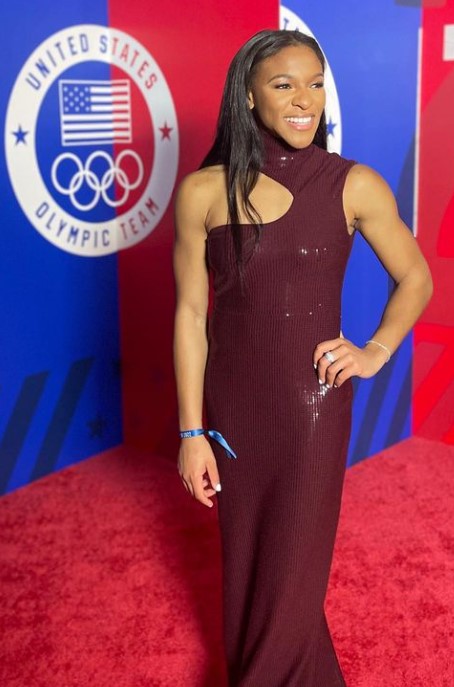
Ariana Ramsey, a U.S. women’s rugby player, has spotlighted her positive experiences with the free healthcare services in the Olympic Village, sharing her journey on social media. Her posts have gone viral, emphasizing the benefits she has received utilizing the healthcare system in France. Ariana’s testimonies offer followers greater understanding of the importance of access to quality health care.

Many people in the United States don’t get the health care services they need. A report from the U.S. Census Bureau shows that about 1 in 10 people in the United States don’t have health insurance (Berchick, Barnett, & Hood, 2018). Strategies to increase insurance coverage rates are critical for making sure more people get important health care services, like preventive care and treatment for chronic illnesses. Voting for policies that expand healthcare coverage, utilizing current healthcare resources consistently, and practicing health promoting behaviors can lead to better health and well-being for individuals and our communities.

Using your voice and your vote can make a difference. In light of ongoing global discussions about healthcare accessibility and affordability, healthcare was is being offered at the 2024 Olympic Games in Paris, France. Importantly, the initiative is supporting physical and mental health, supporting athletes ability to manage the stresses of competition. When the Olympic Games come to Los Angeles, CA in 2028, let’s hope we too will offer free health care to all Olympic Athletes. In fact, let’s do more than hope! Let’s lift our voices and support the Olympic athletes coming to our country and our many neighbors who are here and can benefit from expanded access to health care.

Strategies like providing team-based care and reducing copays can help people get recommended preventive care services. Still, there are other ideas on how to best expand access to healthcare. To find out more about efforts to support greater access to healthcare, consider visiting https://health.gov/healthypeople/objectives-and-data/browse-objectives/health-care-access-and-quality.

References

Berchick, E.R., Hood, E., & Barnett, J.C. (2018). Health Insurance Coverage in the United States: 2017. Retrieved from https://www.census.gov/content/dam/Census/library/publications/2018/demo/p60-264.pdf

Overcoming Life’s Challenges with a Positive and Healthy Attitude | Encouragement from James 1: 2-4

Photo by Eric Sanman on Pexels.com

Life is a journey filled with twists, turns, and unexpected hurdles. As we traverse our own path, we encounter challenges that test our resilience, adaptability, and determination. These enduring challenges shape our character, help define our purpose, and propel us toward growth and development. Additionally, working through troubling circumstances helps to strengthen us emotionally, especially perhaps to endure greater responsibilities for the advancement of God’s kingdom. “Consider it pure joy, my brothers and sisters, whenever you face trials of many kinds, because you know that the testing of your faith produces perseverance. Let perseverance finish its work so that you may be mature and complete, not lacking anything” (New International Version Bible, 2024, James. 1: 2-4).

Very interesting encouragement from the epistle of James. What if James is suggesting within the sacred text that as we endeavor to work through adverse circumstances negatively impacting us, we should keep a positive and healthy posture when dealing with these issues or problems? Perhaps this seems like a tall order to endure trials and keep a positive and healthy attitude, kind of like climbing a tall mountain.

First we must choose to climb the mountain (decide to address the hardship). Next, we prepare to climb the mountain (Prepping mindset to climb, trusting Him as the source of our strength). Then we climb (working to overcome the problem, building our faith and confidence with each step we take). Finally, we reach the mountain peak (at the top, we have a new sense of ourselves and our faith through this accomplishment).

Although navigating the steep terrain of a mountain can be daunting, reaching the peak can strengthen our sense of purpose, relationships, health, productivity, etc. No matter the mountain(s) (i.e., hardship, obstacle, problem, barrier, etc.) we are facing in our lives, with a view from the mountaintop, we can look back and reflect on the journey up the mountain – allowing for learning and new strength to be applied to the next climb. We become a more complete version of ourselves to be more useful in fulfilling our kingdom purpose. Still, in the climb, we must remain positive and healthy, emotionally. In this way, we endure.

We work to maintain a positive and healthy emotional well-being as we face any struggle. This means managing emotions well and having a sense of meaning, purpose, and supportive relationships (CDC, n.d.). Managing our emotions well, especially when experiencing hardships, includes:

  • Identifying, processing, and expressing emotions in healthy ways.
  • Knowing how to deal with uncertainty, stress, and change.
  • Being able to work through disagreements.
  • Looking for solutions to problems in useful ways.
  • Asking others for help and support.

Efforts to be remain positive and healthy during stressful and tough times may not be easy. That is why it is important to keep your sight towards the peak (look up) and keep moving in a forward (advancing) direction. Continue to climb, working ourselves out of any valley (low place, low feeling). For more encouragement, we hope you will connect with us in the comments area of this blogpost or on Facebook. Also, we encourage connecting with a good church that positively and healthfully nurtures spiritual and emotional well-being.

References
Centers for Disease Control & Prevention. (n.d.). About Emotional Well-Being. https://www.cdc.gov/emotional-well-being/about/index.html

New International Version. (2024). YouVersion. https://www.bible.com/bible/111/PHP.4.13

New International Version. (2024). YouVersion. https://www.bible.com/bible/111/JAS.1.NIV

Nicole Eggert’s brave battle and raising breast cancer awareness

By PHAME-US Campaign

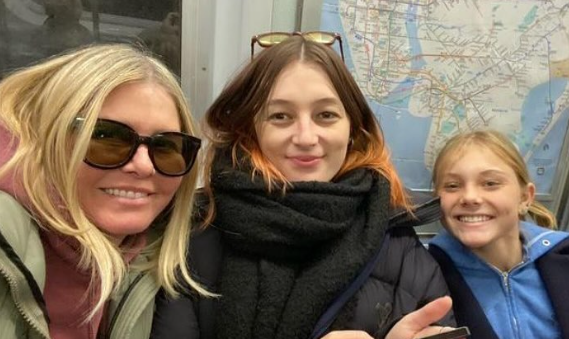
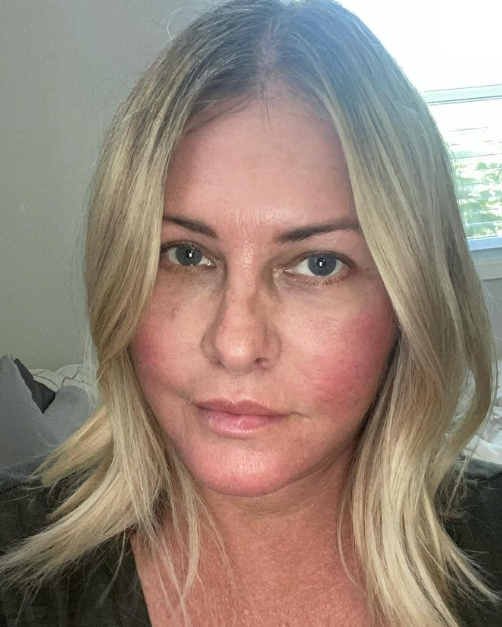
In December of 2023, Nicole Eggert shared publicly that she had been diagnosed with breast cancer. The 52 year old actress and mother of two, popularly known for her roles in popular television shows such as “Baywatch” and “Charles in Charge,” shocked her fans when she revealed her breast cancer diagnosis. By sharing her personal journey, she has become an advocate for breast cancer awareness, shedding light on the challenges that individuals facing this disease encounter.

Nicole Eggert’s decision to share her breast cancer diagnosis with the public is a commendable act that goes beyond personal vulnerability. By doing so, she has actively contributed to the ongoing conversation about breast cancer awareness. Awareness campaigns play a crucial role in encouraging early detection, emphasizing the importance of regular screenings, and dispelling myths surrounding the disease. Eggert’s openness encourages others to prioritize their health and seek medical attention when needed.

In 2024, the American Cancer Society (ACS) (n.d.) estimates about 310,720 new cases of invasive breast cancer will be diagnosed in women. Eggert’s openness about her breast cancer diagnosis not only raises awareness but also encourages a much-needed dialogue about the emotional and physical toll of the disease. The ACS (n.d.) reports that a cancer diagnosis can affect the emotional health of patients, families, and caregivers and is associated with feelings of anxiety, distress, and depression. By sharing the ups and downs of her treatment, she helps break down the stigma associated with cancer, fostering a supportive environment for those facing similar challenges. This dialogue is essential in creating a more empathetic society that understands the complexities of the cancer journey.

To reduce risk of breast cancer, the ACS recommends:

Have you used been screened for breast cancer? Is breast cancer on your health radar? What are your experiences in breast cancer prevention? We encourage the sharing of valuable information and experiences here in the comments section or here on Facebook.

References

Women in entertainment share their stories of abuse (National Domestic Violence Hotline, 1.800.799.3224)

By Angela Wilson | UAB Community Health & Human Services Program Intern

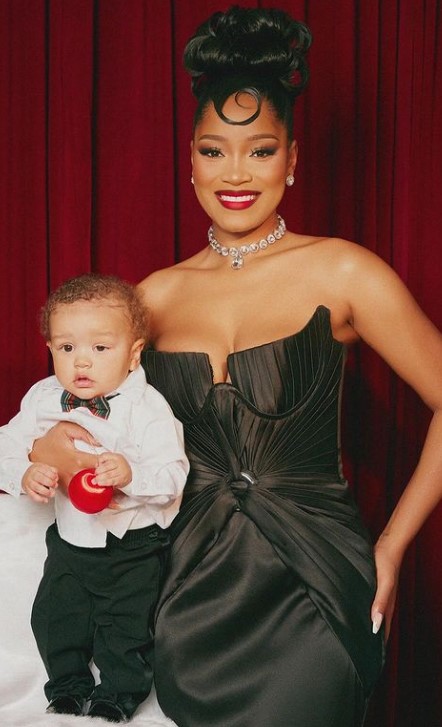
Keke Palmer is an established actor, singer, and television host. She made history by becoming the first and youngest African American woman to play Cinderella on Broadway.  Cassandra Ventura (Cassie) is a singer, songwriter, dancer, model, and actress. Both ladies have amassed millions of fans who adore their work and respect their craft. They are constant fixtures on social media, of achieved both fame and fortune, and in committed relationships. Keke has a four-month-old baby with boyfriend Darius Jackson and Cassie has 2 children with hubby Alex Fine. These two ladies seem to have a life that most would envy. But unfortunately, according to them, they have endured rocky moments: Cassie in a previous relationship with another well-known celebrity.

Keke Palmer sent shockwaves through the entertainment world in November of 2023 when she requested (and received) a temporary protection order and sole custody of her 6-month-old child with boyfriend Darius Jackson whom she alleged physically assaulted her. She also revealed pictures on Instagram that appeared to confirm these allegations.

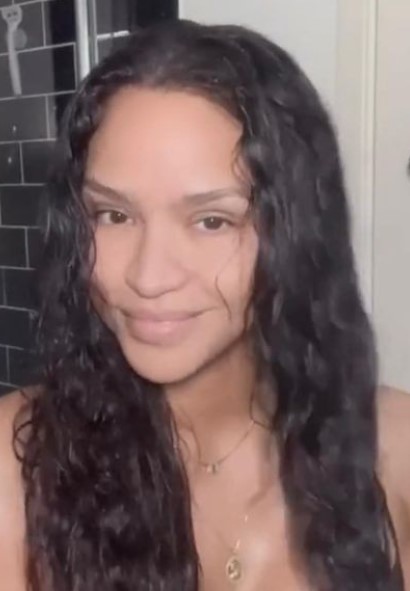
Cassandra Ventura (Cassie), shocked the hip-hop world when she alleged physical and sexual abuse by Sean Love Combs, also known as Puff Daddy, P. Diddy, and Brother Love. Puff Daddy is very well-known in the entertainment industry for being a singer, songwriter, record producer, actor and philanthropist. Puff Daddy settled with Cassie a day after her civil lawsuit was filed for an undisclosed amount of money. Although settled in court, Cassie’s claims does shine a light on harsh realities and adverse experiences she endured while starting a career in the music industry. After spending years in darkness, Cassie has exclaimed her desire to speak up so that she could help other women who may also be in abusive relationships. Since her public allegations were made, three other women have come forward with accusations of physical and sexual abuse against Puff Daddy.

KeKe and Cassie’s resilience should be celebrated and their efforts to “speak up” are applauded by many. Their story is one of adverse experiences, but continues to provide HOPE for many who are following their journeys. For example, KeKe hosted the Soul Train Music Awards in November 2023, performing an emotional song called “Ungorgeous,” baring her soul and family challenges. KeKe has many projects in the works and is continuing to focus on her family. Cassie too is enjoying motherhood, her role as a wife to a loving husband, and continues her modeling career. They both are living models of encouragement for overcoming hardships in intimate partner violence (IPV).

According to the Domestic Violence Hotline, 3 out 10 women have experienced rape, physical violence, and/or stalking by a partner and reported it having a related impact on their functioning. Additionally, IPV affects more than 12 million people every year in the United States. Domestic abuse is never okay!  If you or someone you know is in an abusive relationship, there is help. The National Domestic Violence Hotline operates 24 hours a day, 7 days a week. You can call, send a text message, or start a chat. They offer care, support, and advocacy and can be reached at 1-800-799-SAFE (7233), or by texting “START” to 88788.

Taraji P. Henson is taking a stand to challenge mental health stigma

By Aamya Wilson | UAB Community Health & Human Services Intern

Taraji P. Henson is a beloved actor and veteran in the entertainment industry. She is best known for taking strong female leads that focus on the empowerment and strength of African American women. Though she is a very gifted actress, Taraji has also been a advocate for raising mental health awareness within the African American community. Mental illnesses can be experienced by many each year, with the National Institute for Mental Health (NIMH) reporting 57.8 million adults each year experience any mental illness (AMI) (NIMH, 2023). AMIs are characterized as a mental, behavioral, or emotional disorder and can range from causing no impairment to daily functioning to mild, moderate, and severe impairment (NIMH, 2023).

The percentage of African Americans experiencing AMIs annually is 21.4% or roughly one (1) of out every five (5) African American adults (NIMH, 2023). However, it may seem that challenges in mental health are not discussed within our communities. Not discussing mental illness may be even more detrimental to our health, especially because African Americans have experienced more forms of historical oppression, racism, dehumanization, and race-based violence than other people groups in the United States (SAMHSA, n.d.). Additionally, adverse experiences and negative encounters in the health care system can cause mistrust among African Americans for health care professionals (SAMHSA, n.d.). 

Stigma in discussing mental health challenges and overcoming negative encounters accessing health care is one of several reasons Ms. Henson has established an initiative within her community to create Wellness Pods. In 2018, Taraji, created the Boris Lawrence Henson Foundation in honor of her Veteran father who struggled with his mental health after his time in war. Her foundation was created to battle the stigma against mental health in the Black community and she does this with the He, She, and They Care Wellness Pods initiative within HBCUs. Recently created was the She Care Wellness Pod that is used as a healthy and safe space for Black women who may be feeling overwhelmed, stressed, or depressed.

Taraji has long been an advocate for mental health and therapy for the Black community and she has expressed her own battle with mental health on many different occasions. She even told Entertainment Tonight about her suicide ideation back in 2020. This is one example of many that shows anyone can be affected by mental health and we should show love and support to those within our sphere of influence when something is just “not right.” To help improve your mental health and the health of well-being of those around you, the WWL encourages the following (Tartakovsky, 2022):

  • Getting enough sleep (generally 7 – 9 hours nightly)
  • Spending less time engaged with social media
  • Strengthening your relationships with those are supportive of you
  • Staying active with exercise most days (generally 30 minutes daily)
  • Drinking plenty of water (8+ cups daily)
  • Knowing when to relax, de-stress, and seek help (overcoming previous experiences and advocating for yourself and loved ones)
  • Going outside for sunlight and fresh air

Let’s all work to prevent mental illnesses and build mental resilience by following general health and wellness tips offered by trusted sources. Additionally, it is “OK” and normal to need the help and support of positive and healthy people in your network. As the good song says,…”we all need somebody to lean on.” Finally, seek the support of professionals and if in crisis, use the 988 Suicide & Crisis Lifeline.

Resources

NIMH. (2023, March). Mental Illness. https://www.nimh.nih.gov/health/statistics/mental-illness#part_2540

SAMHSA. (n.d.). Black/African american. SAMHSA. https://www.samhsa.gov/behavioral-health-equity/black-african-american

Tartakovsky, M. (2022, May 2). 8 daily habits for Improved Mental Health. Healthline. https://www.healthline.com/health/mental-health/habits-to-improve-mental-health#sleep

Hitting the Hot 100, checking STD stats, checking your STD status

Angela Wilson | UAB Community Health & Human Services Intern

Sexyy Red is the latest Hip-Hop sensation and cultural phenomenon.  She cemented herself as a mainstream artist with her break-out hit “Pound Town” and partnered up with Niki Minaj on the certified Gold hit entitled “Pound Town 2″, debuting at No. 66 on the Billboard Hot 100. Unfiltered, the rapper’s lyrics may be considered a bit “raunchy” for some listeners. Still, she has fans, many fans, amassing over 1.7 million followers on Instagram and is currently the opening act for mega-entertainer and rapper, Drake.  Often dawning pierced lips, eccentric hairstyles, and revealing clothes, Sexyy Red is a rising star in the rap and hip-hop genre. It appears many enjoy her message of sexual freedom, but some may also take issue with her messages, portrayal of Black women, or the way she discusses sexual experiences openly.

Sexy Red, whose real name is Janae Wherry, has been receiving tons of backlash lately after proclaiming herself “the raw dog queen” on Lil Yahty’s podcast. “Raw dog” is a saying that means “having unprotected sex.” She also revealed that she does not like condoms or latex and claimed that they make her private area smell. It did not take long for her comments to hit Facebook, Instagram, Twitter, and other forms of social media; with some disapproval and others claiming that she’s “keeping it real.”

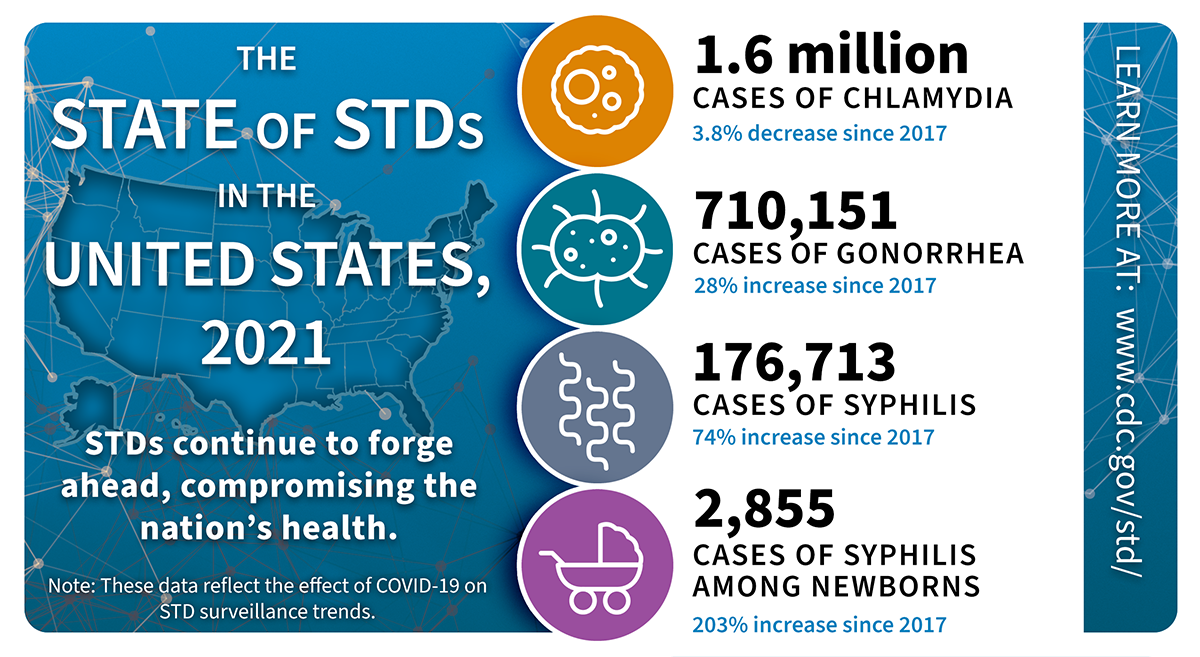
It is easy to understand the concerns about the some of the statements Sexy Red made in her interview. Still, it is important to raise awareness about some specific concerns if one chooses to engage in sexual activity. Check out the graphic from the Centers for Disease Control and Prevention (CDC) below regarding sexually transmitted diseases (STDs) in the United States.

Additionally, it is important to understand that consistent and correct use of latex condoms can drastically reduce the risk of gonorrhea, chlamydia, and trichomoniasis. Latex condoms can also reduce the risk of genital herpes, syphilis, and chancroid, working when a person’s infected area or site of potential exposure is protected (CDC, 2023). Check out the links with each sexually transmitted infection or disease (STI or STD) to learn the facts about each.

If someone has concerns about latex condoms, some condoms are made of other materials (i.e., polyurethane, polyisoprene, and nitrile) are great for people who have latex allergies or sensitivities. Still, these condoms may be slightly less effective at preventing STDs than condoms made from latex (Marfatia, Pandya, & Mehta, 2015).

If choosing to engage in sexual activities, health experts from the CDC and Planned Parenthood encourage individuals to consider the following tips:

For more tips and to learn more about protecting yourself during sexual activities, please check out the links above. Want to talk some more, check out our Facebook page here: @phame.us.impact.

References

Center for Disease Control and Prevention. (2023, September 5). U.S. STI Epidemic Showed No Signs of Slowing Down in 2021 – Cases Continued to Escalate. https://www.cdc.gov/nchhstp/newsroom/2023/STD-Surveillance-Report-2021-media-statement.html

Center for Disease Control and Prevention. (2023, September 5). How can I Protect Myself from HIV?. https://www.cdc.gov/hiv/basics/hiv-prevention/protect-yourself-during-sex.html

Marfatia YS, Pandya I, Mehta K. Condoms: past, present, and futureIndian J Sex Transm Dis AIDS. 2015;36(2):133–9. doi:10.4103/0253-7184.167135

Taking on Stereotypes About Black Women’s Hair

By Angela Wilson | UAB Community Health and Human Services Intern

Photo by Ogo on Pexels.com

It gets incredibly exhausting to dispel myths about the African American culture constantly.  It is even more tiring to have to defend your hair repeatedly.  As more black women become educated, enter the workforce, and become entrepreneurs, many still defend their hair, especially if they wear it in natural styles like afros, braids, Bantu knots, and locs.  In recent years, Black women have increasingly embraced wearing their natural hair and have abandoned using perms and relaxers.  Some say this could be viewed as the Black woman’s revolution, and even though Black women have been celebrated and (mostly) accepted for their decision to go all-natural, it is still an ongoing battle to combat some stereotypes associated with Black hair. 

So, what are some of these stereotypes associated with Black women’s hair? Well, there is the myth that Black women never wash their hair.  This seemingly stems from the fact that most Black women’s hair is naturally dry, making it more vulnerable to breakage.  As a result, they may opt to wash their hair less frequently to avoid stripping it of its natural oils.  Another stereotype is that Black women’s hair cannot grow long, which is why Black women wear hair extensions and wigs.  Although race seems to be a factor in Black women’s hair growth, several other factors, including genetics, nutrition, and age, also play a role.  On average, a Black woman’s hair grows approximately 4 inches a year (one inch shorter per year than White women’s), but due to the coarse texture of Black hair, the length does not show unless the hair is straightened.  As far as Black women wearing weaves and wigs, most Black women wear them to provide a protective styling option, save time, and explore more hair options like different hair colors, not because their hair will not grow. 

These stereotypes are not exhaustive; unfortunately, much more must be debunked.  Hopefully, as more people educate themselves with facts and knowledge, Black women can finally escape the many stereotypes about their hair.

References

Alcindor, et al. (2021). PBS.org. How Hair Discrimination Impacts Black Americans in Their Personal Lives and Workplacehttps://www.pbs.org

Scholars Strategy Network. (2021). What’s Hair Got to Do with It? Black Women’s Bodies and the Traditional Look of Success in American Politics. https://scholars.org.

Killer Curves-The Dangers of Buttock Injections

By Angela Wilson | Community Health and Human Services Intern

Photo by Tara Winstead on Pexels.com

R&B singer K. Michelle, model and socialite Blac Chyna, and rapper Cardi B are all considered powerhouses in Hip Hop culture.  Their image and style are influential, and one particular asset is their curvy bodies and voluptuous buttocks.  As they proudly display their backsides, men lust, and women of all ages watch in admiration, often trying to emulate this look which can have dangerous implications.  These entertainers have been very vocal about the horrors they experienced with getting buttock injections and have used their platforms to caution other women against it.  K. Michelle had over 13 operations to remove her botched silicone injections after the silicone spread through her body, severely limiting her mobility.  She also had to have two blood transfusions. Blac Chyna just recently had her buttock injections removed after claiming her rear end would get inflamed, hot, and hard (Corrine, 2023).  Cardi B had her injections removed and noted how excruciatingly painful the process was (Williams, 2018).

So, what is going on with these butt injections? Why are some of Hip Hop’s biggest entertainers speaking out and warning us to beware? Silicone butt injections are dermal fillers that are injected into the buttocks to achieve a more rounded and fuller look.  These injections are not approved by the Food and Drug Administration and for good reason. Unfortunately, this does not deter many women from seeking unlicensed providers to accommodate their wishes to have a bigger butt. These procedures are extremely dangerous and can even be fatal.  Redness and burning of the skin, discoloration, irritation, leakage, dimpling, infection, and scarring are widespread following buttock injections.  Additionally, the buttock area is plentiful with blood vessels, which increases the chances of silicone traveling to the lungs and causing a (potentially fatal) embolism.  The silicone can also travel to your brain and cause a stroke.

When you look at the risks associated with buttock injections, it is no wonder why many Hip Hop women are speaking out against them.  Hopefully, their voices will be heard, and their advice adhered to.  Prayerfully, women who desire a more prominent, rounder butt, and are contemplating getting buttock injections, will ask themselves; Is it worth the risks?

References

Cherney, K. (2019). Alternatives to Dangerous and Illegal Buttock Augmentation Injections. Healthline. https://www.healthline.com

Corrine, A. (2023). Blac Chyna Gets Breast And Buttock Reduction Surgeries. Vibe. https://www.vibe.com  

Williams, S (2018). Cardi B’s Horrifying Story Serves AS a Reminder of the Dangers of Illegal Buttock Injections.  American Society of Plastic Surgeons. https://plasticsurgery.org.

Forest Whittaker: Life with Ptosis

By Angela R. Wilson | UAB Community Health and Human Services Intern

Photo: @forestwhitaker | INSTAGRAM

Forest Whittaker is an actor, producer, and director who has garnered lots of accolades and awards.  His career spans over 6 decades and includes an Academy Award for his portrayal of the Ugandan dictator Idi Amin in the film The Last King of Scotland.  While people often take notice of his accomplishments in the film industry, they also may notice at times the physical appearance of his eyes. Whitaker has a condition known as ptosis which not only impairs his vison, but also causes his eyelid to droop down. Ptosis is also known in simple terms as a lazy eye or drooping eye.

Ptosis can be hereditary, as in Whittaker’s case, but you can also get it as an adult if the nerves in your eyelid muscles become damaged. Ptosis can occur because of injury, disease, or other underlying conditions such as a stroke or neurological disorders. The muscles and ligaments that raise your eyes become weak and can no longer support holding them open. Lastly, Ptosis can occur as we get older and our eyes age. It is not uncommon for the ligaments and muscles around the eyes to become weaker as we get older.  Ptosis can affect one eyelid (unilateral ptosis), or both eyes (bilateral ptosis).  It can also be temporary or permanent and can significantly reduce your vison depending on how much of your pupil is obstructed.

Treatment of Ptosis depends on the cause and ranges from topical to surgical. A complete eye exam, blood tests, and imaging tests will assist the ophthalmologist in determining the best treatment.   FDA approved medications like Upneeq, containing oxymetazoline, are drops that can be used to raise the eyelids and open them up wider. Surgery may be needed for more severe types of ptosis.  Ptosis surgery involves making a small adjustment to the eyelids or strengthening the Levator Palpebrae Superioris muscle.  Levator Palpebrae muscles raise and maintain the upper eyelid. The surgery is usually done as an outpatient procedure under local anesthesia (to help with discomfort) and lasts between 30 and 60 minutes. 

There are several options to treat ptosis.  Just make sure you have a conversation with your physician to go over your expectations and concerns so that you can choose the best way to proceed. 

References:

American Optometric Association. (2023). Ptosis. https://www.aoa.org/healthy-eyes/eye-and-vision-conditions/ptosis?sso=y

Boyd, K. (2022). American Academy of Opthamology. What Is Ptosis?. https://www.aaa.org.

Seltman. W. (2022). WebMD. Droopy Eyelid (Ptosis). 5 Causes of Drooping Eyelid & Treatment. https://www.webmd.com.