Category: Prevention

Gun Safety: Protecting Children from Firearms

By Jessica Feagin | UAB Community Health & Human Services Intern

Photo by Karolina Grabowska on Pexels.com

Many incidences have occurred where young children accidentally shoot themselves with a gun, even in their homes. It breaks my heart how kids are being put in these situations that could have easily been prevented. It is our job as adults to protect our youth. Children are impulsive and naturally curious. Therefore, they explore and pick up things that may spark an interest. Even if you warn your children about the dangers of guns, they still may want to explore the gun. You must teach your children that guns are very dangerous, not to touch the gun, to move far away from the gun, and immediately tell an adult if they see one.

There were at least 2,802 unintentional shootings by children 17 years old and younger, resulting in 1,083 deaths and 1,815 nonfatal injuries between 2015 and 2022 in the United States (“Guns in the home: Keeping kids safe,” n.d.). At least 895 preschoolers and toddlers found a gun and unintentionally shot themselves.

If you have a gun in the home, it is essential that there is a safe space provided in the house. Our responsibility is to ensure the gun is stored correctly and inaccessible to all children. Project ChildSafe Program provides some safety precautions for gun storage (“Parents & gun owners,” 2022):

  • Store unloaded guns in a locked safe, cabinet, storage case, or vault. The location of the storage unit should be inaccessible to children.
  • Gun parts should be stored securely in separate locations if the gun is disassembled.
  • Separate from guns, ammunition should be stored in a locked location.
  • Whenever you remove the gun from storage, double-check it to ensure it is unloaded.

Project Child Safe Program provides free Project Child Safe Safety Kits through their enforcement partners, including a cable-style gun lock and safety instructions. Use this link, Get a Safety Kit – Project ChildSafe, to request a Project ChildSafe firearm safety kit in your state.

Unintentional shootings of children are a devastating occurrence and can be prevented with safety precautions in the home and teaching our children about the dangers of guns. Most importantly, never leave a child alone in the house where a gun is kept. Let’s protect our children from guns.

References:

Guns in the home: Keeping kids safe. (n.d.). Retrieved from https://www.healthychildren.org/English/safety-prevention/at-home/Pages/Handguns-in-the-Home.aspx

Parents & gun owners. (2022, October 25). Retrieved from https://projectchildsafe.org/parents-and-gun-owners/

Taraji P. Henson Brings Awareness to Mental Health

By Terrie Johnson | UAB Community Health & Human Services Student

Photo by Mizuno K on Pexels.com

Recent attention has been brought to the fact that there is an aspect of adolescent mental health that is often ignored. According to Taraji P. Henson, who serves as a self-appointed ambassador for juvenile mental health, African American youth often experience race-based educational bias (People, 2021). This is closely connected to the fact that these young people commonly receive harsher punishments from school administrators for disciplinary measures. When this occurs, it not only amplifies the school to prison pipeline, but it also makes African American youth feel they are unworthy of empathy, compassion, and/or leniency (People, 2021).  

As a result of this continuing trend, Henson feels African American youth develop anxiety, depression, and a desire to practice social isolation. To prevent adding to reduced mental health in this population, it is encouraged that educational institutions not criminalize actions beyond the measures given to the peers. To assist with this, Henson launched the Unspoken Curriculum. This is a mental health education initiative that addresses persistent psychological risks faced by young black students in the education system (People, 2021). The 6-week program seeks to identity, define, and increase understanding of the existence of race-based educational bias (ABC News, 2021).

With celebrities like Taraji P. Henson joining the fight to save African American youth, average individuals should also feel empowered to evoke. Citizens can rally parents to reach out to school administrators and superintendents through letters and emails to ensure these children are shown kindness, grace, and consideration (ABC News, 2021). They can also enroll youth in the Unspoken Curriculum or similar mental health education programs. This can increase their ability to deal with external and internal stressors in an acceptable and healthy fashion. Overall, the goal is for the nation to join the prevention of criminalizing African American youth in educational institutions (ABC News, 2021). What are your thoughts on ways schools can assist with good mental health for young African American students?

References

ABC News. (2021). Taraji P. Henson talks campaign to address mental health risks for Black

students. ABC News. https://abcnews.go.com/GMA/Culture/video/taraji-henson-talks-

campaign-address-mental-health-risks-77823025

Calhoun, Amanda. (2021). The Intersection of Black Youth Mental Health and Racism

Medpage Today. https://www.medpagetoday.com/opinion/theactivistpsychiatrist/95422

People Magazine. (2021). Taraji P. Henson launches campaign to help black students fight mental health struggles. PEOPLE. https://www.youtube.com/watch?v=-cPJitRAM78

John Mulaney’s Battle with Addiction – Turning Darkness into Laughs

Amanda Benko | UAB School of Education Intern – Community Health & Human Services

John Mulaney is a popular stand-up comedian who has famously used his difficult past experiences as the subject of much of his routine, which includes a new relationship, birth of his son, and most notably addiction to cocaine, alcohol, and prescription medications. Most fans are aware of Mulaney’s past issues with drugs and alcohol, shedding light on his sober life and turbulent relationship with narcotics. When you watch Mulaney’s comedy, you’ll see a courageous man whose comedy is rooted in his personal experience.

Drug-related deaths accounted for over 109,000 US deaths in 2021 according to the NIH. Statistics include the fact that just in the last year, over 9.2 million people over the age of 12 admitted to using opioids (Substance Abuse and Mental Health Services Administration (SAMHSA), 2023). Drug abuse and addiction are anything but funny. If you are like me and have lost friends and loved ones to the disease of addiction, you certainly understand there is nothing comical about it. This is an epidemic the White House has attempted to tackle, along with the medical community, law makers, and countless civilians. Mulaney makes jokes about how absurd he behaved on drugs, not about addiction itself.

He publicly thanks those who were there and those who have had a hand in his intervention and recovery. As most addicts know, recovery is a journey; and Mulaney is still here making us laugh because his friends cared enough to step in (with help of professionals). Watching his show, the part of his act that stood
out most were the words of Mulaney’s friend, actress Natasha Lyonne. When he tells this story, he is not going for a punchline, he is getting vulnerable about how bad things were. Though not a direct quote, the message stuck with me. Lyonne: Johnny, You gotta go to rehab honey. Your life is in shambles, your career is in shambles. I know you think going to rehab would be embarrassing, but the way you’re living right now is embarrassing. Once you’re out, you can chain-smoke around the streets of New York like you’re the g*d-damn Bob Fosse of your generation. We can walk around dreaming big dreams, like we’re high as a kite; but instead, you’ll be alive, and we’ll be sober together. Mulaney credits Lyonne’s words for being the final straw helping him commit to rehab. His friends saved his life, and because of them, he is still here entertaining us all. As a fan, I am grateful.

If you want to hear more, check out “Baby J” on Netflix, where Mulaney gives his personal account.

If you or someone you know is battling addiction, please call 888.844.9121 for help, or reach out to Narcotic Anonymous at 818.773.9999 or visit na.org.

References: 

Carcieri, R., & Johnston, C. (2022, March 21). John Mulaney’s “from scratch” successfully tackles heavy issues with Grace. The Brown Daily Herald. https://www.browndailyherald.com/article/2022/03/john-mulaneys-from-scratch-successfully-tackles-heavy-issues-with-grace

Grebenyuk, Y. (2023, May 4). Everything John Mulaney has said about drug addiction, recovery. Us Weekly. https://www.usmagazine.com/celebrity-news/pictures/everything-john-mulaney-has-said-about-drug-addiction-recovery/

Substance Abuse and Mental Health Services Administration (SAMHSA). (2023, January 4). Samhsa announces National Survey on Drug Use and Health (NSDUH) results detailing mental illness and substance use levels in 2021. HHS.gov. https://www.hhs.gov/about/news/2023/01/04/samhsa-announces-national-survey-drug-use-health-results-detailing-mental-illness-substance-use-levels-2021.html

U.S. Department of Health and Human Services. (2023, March 31). Drug overdose death rates. National Institutes of Health. https://nida.nih.gov/research-topics/trends-statistics/overdose-death-rates

The United States Government. (2022, April 21). Fact sheet: White House releases 2022 National Drug Control Strategy that outlines comprehensive path forward to address addiction and the overdose epidemic. The White House. https://www.whitehouse.gov/briefing-room/statements-releases/2022/04/21/fact-sheet-white-house-releases-2022-national-drug-control-strategy-that-outlines-comprehensive-path-forward-to-address-addiction-and-the-overdose-epidemic/

Remembering CJ Harris – Alabama Native and American Idol – The Importance of Heart Health

Amanda Benko | UAB Community Health & Human Services Intern

PHOTO: @CJHarrisMusic / INSTAGRAM

The unexpected passing of CJ Harris, a talented Jasper, Alabama native who gained recognition through his appearance on season 13 of American Idol, is truly tragic. Fans and the music industry have felt mourning after its departure. At only 31 years old, Harris’ death serves as a reminder to prioritize heart health regardless of age.

Harris, recognized for his sincere character and compelling stage aura, made a memorable impact on the show and his fans’ hearts. Even though he was young, his performances highlighted great musical maturity and brought happiness to countless people (11Alive, 2023). CJ Harris, who died on 01/15/2023, went under a medical emergency with family confirming that he had a heart attack that led to his death.

The Importance of Heart Health at Any Age

CJ Harris’s heart condition led to his death since it was asymptomatic and late recognized. Preventing complications and saving lives can be achieved by detecting and addressing heart issues early despite individuals’ age. A healthy heart reduces the chances for complications, which can be achieved by regular medical check-ups, blood pressure screenings, and cholesterol level assessments that can identify potential risks, allowing for timely intervention and lifestyle modifications in all stages of life (World Health Organization, 2021). In addition, awareness about heart-healthy practices from an early stage can imbue lifelong customs that foster well-being.

Enhancing Long and Healthy Life

Heart health should never be underestimated, regardless of one’s age – and the untimely death of Harris serves as a poignant reminder. A healthy heart enhances long and healthy life for people by reducing the risks of cardiovascular diseases in all stages of life. Globally, heart disease remains the primary reason for mortality, affecting individuals from various walks of life. Reducing the risk of cardiovascular complications later in life requires prioritizing heart health regardless of an individual’s age (World Health Organization, 2021). Evidence consistently reveals the interconnection between heart health and overall well-being. Reflecting on Harris’s death, he had a long life to live, only his heart health was not considered (due to his young age), leading to his death at 31. It is essential for individuals to have healthy hearts of all ages.

Reducing the risk of cardiovascular diseases and enjoying a healthier, more fulfilling life is possible for individuals by taking proactive measures and making informed lifestyle choices. Both individuals and society must promote heart health through education, awareness campaigns, and accessible healthcare services. A good and prosperous life depends on having a healthy heart. Have you talked to your doctor about heart health?

References

C.J. Harris, former “American Idol” contestant, dies at 31. (2023a). Retrieved June 21, 2023, from 11Alive.com website: https://www.11alive.com/article/news/nation-world/cj-harris-dies-at-31/507-7e872522-cc82-4919-8b09-d4a7fcbb9428

World Health Organization. (2021). Cardiovascular Diseases (CVDs). Retrieved from https://www.who.int/news-room/fact-sheets/detail/cardiovascular-diseases-(vcds)

Dying To Be Perfect

Angela Wilson | Intern UAB School of Education | CHHS

Photo by Paras Griffin/Getty Images

Jacky Oh was a Beautiful, talented mega-influencer, model, and socialite who seemed to have everything.  She was a YouTuber, an entrepreneur of a lip gloss line, and a regular star on the hit comedy and cultural phenomenon, “Wild ‘N Out”.  She had amassed an Instagram following of more than a million people and had three beautiful children with her longtime partner, comedian and rapper, DC Young Fly.  Unfortunately, at just 32 years old, Jacky Oh, whose real name is Jacklyn Smith died. 

The vivacious beauty posted on her Instagram page that she was going to have a “mommy makeover” and that she would reveal the results of her procedure on her YouTube channel.  She seemed very excited about the possibility of improving her body, by tightening up the problem areas just months after giving birth to her son. She and her doctor, Dr. Zachary Okhah, were all smiles standing next to each other while flirtatiously piquing the interest of her fans. The publicity seemed to be destined for a promotional win and money maker for both of them, but something went terribly wrong. 

According to the American Society of Plastic Surgery, a mommy makeover can include targeting more than one area of a woman’s body,. Often the surgery of choice for women who have noticed significant changes in their bodies as a result of gaining and losing weight, breastfeeding, and other physical changes during motherhood. The typical problem areas are the breasts and the abdomen.  The breasts began to loose shape after breast-feeding, and the abdominal muscles, tissues, and skin that stretch during pregnancy to accommodate the fetus, may not snap back after giving birth. This leaves women with layers of excess abdominal skin usually accompanied by unsightly stretch marks.  If you are in the entertainment business and your revenue is generated based on how good you look, or how fit your body is, it is easy to see why Jacky Oh decided on a mommy makeover. 

A mommy makeover may consist of breast augmentation, a breast lift, a tummy tuck, circumferential abdominoplasty, and liposuction. It may seem like an easy, quick way to get your pre-pregnancy body back, but there are several risks involved. These risks include infection, bleeding, hematoma, unfavorable scarring, necrosis, cardiac and pulmonary complications, persistent pain, contour deformity, fat embolization, anesthesia risks, and even death.

While speculation is running rampant about the exact cause of death of Jacky Oh, the only thing that is certain is that 3 children will grow up without their mother, millions of fans will be without their shining star, and a loyal man be without his partner.  I cannot help but ask myself, is having cosmetic surgery worth the risk?

References

America Society of Placstic Surgeons. (2023). Mommy Makeover Risks and Safety. https://www.plasticsurgery.org.

Brito, Christopher. (2023, June 2). Jacky Oh, Wild ‘N Out Cast Member, Dead at 32.  https://www.cbsnews.com.

What Tina Turner Wanted You To Know About Prevention.

Amanda Benko | Intern UAB School of Education – CHHS

Tina Turner in 2018. Photo: FRANZISKA KRUG/GETTY

News of the death of Tina Turner broke the hearts of people worldwide. An inspiration to many, and a legend to all. “Turner was the first black artist and the first female artist to feature on the cover of Rolling Stone, according to the music publishing company BMG.” (Powell et al., 2023) The renowned singer and actress had been secretly battling illness. She had reportedly survived a stroke, kidney disease, and other conditions, such as intestinal cancer, which she was diagnosed with in 2016. A few days before her passing, Tina Turner warned her fans to look after themselves and listen to their bodies as she raised awareness of the common issue of kidney failure. In her social media post, Tina Turner wrote, “My kidneys are victims of me not realizing that my high blood pressure should have been treated with conventional medicine. I have put myself in great danger by refusing to face the reality that I need daily, lifelong therapy with medication. For far too long, I believed that my body was an untouchable and indestructible bastion,” (Whitman, 2023). Turner had been suffering from a kidney disease before her 2016 cancer diagnosis.

One of the major causes of kidney failure is high blood pressure (Mirror, 2023). Despite knowing she had a problem with high blood pressure, Turner says she failed to treat it. Tina required daily medications to manage her blood pressure. However, she failed to implement medicine into her routine, believing that her body was an indestructible and invulnerable bastion. Despite the developing signs and symptoms, which she blamed on medications, Turner kept ignoring them, only to realize that her kidneys were entering their final stage. Turner’s kidneys had reached an irreversible stage since their functions had hit an all-time low due to the inconsistency in taking her medications. In 2017, her doctor advised her that she would need 9-month dialysis before undergoing a kidney transplant. One of the lessons we can learn from Turner’s final days is that we should not ignore the message our body is trying to communicate to us. Listen to Tina, and don’t be naïve about your health.

RIP Tina Turner – Thank you for all the years of entertainment and inspiration!

References

Gordon, L. (2023, May 24). Tina Turner said she put herself in “Great danger” weeks before her death. Mirror. https://www.mirror.co.uk/3am/us-celebrity-news/tina-turners-emotional-last-post-30069740

Powell, T., Chowdhury, M., & Vera, A. (2023, May 25). Tina Turner dies at 83 – News and Tributes. CNN. https://www.cnn.com/entertainment/live-news/singer-tina-turner-death-news/index.html

Whitman, S. (2023, May 25). Tina Turner’s health: Her cancer battle, Stroke & Kidney Disease before she died. Hollywood Life. https://hollywoodlife.com/feature/tina-turner-health-5106537/

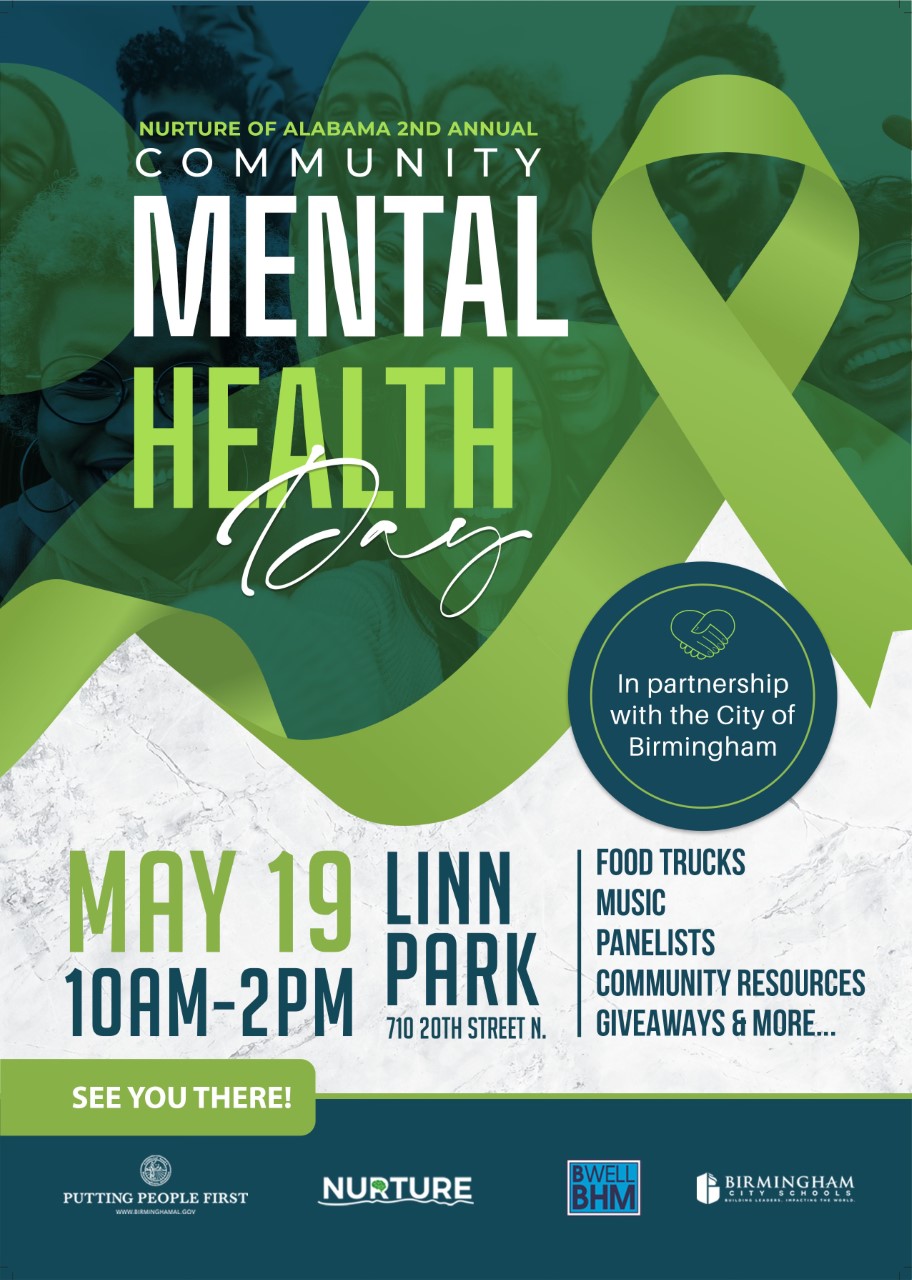
The City of Birmingham 2nd Annual Mental Health Day

By The PHAME-US Campaign

Join the PHAME-US.com and Wilkinson Wellness Lab team at this community event sponsored by Nuture, LLC, the City of Birmingham, AL and Birmingham City Schools. The event is free and open to the public.

Nurture of Alabama believes Birmingham can thrive, especially if communities address the mental health crisis experienced in our neighborhoods. Through the event Friday, May 19th, Nurture’s goals are to: 1) remove the stigma of mental health support, 2) improve mental health services accessibility, and 3) provide community education on mental health & wellness.

The event will have chair massages, a licensed professional counselor providing depression screenings, speakers,  free resources, giveaways, local food trucks,  yoga sessions, line dancing, blood pressure checks and more. So come out, have a good time, and let’s engage in mental wellness!

Defeating Diabetes in the African American Community

By Regina Dodson | Community Health and Human Services Intern

Diabetes is a chronic disease that affects millions of people worldwide, and it is becoming increasingly prevalent in the African American community. According to the American Diabetes Association, African Americans are almost twice as likely to be diagnosed with diabetes as non-Hispanic whites. This is a significant problem that must be addressed to prevent the debilitating complications associated with the disease.

There are several reasons why diabetes is affecting the African American community. A primary factor is genetics, as research has shown that African Americans are more likely to develop diabetes due to their genetic makeup. Additionally, there are social determinants of health that contribute to the higher prevalence of diabetes in African Americans, such as limited access to healthcare, poverty, and discrimination.

Food deserts, defined as areas where there is limited access to healthy and affordable food options, are also prevalent in African American communities. They have been linked to a higher incidence of diabetes. Access to healthy food options is critical for the prevention and management of diabetes, as a healthy diet is a primary component of diabetes management. The elimination of food deserts in African American communities can help to reduce diabetes.

According to the Journal of Public Health Management and Practice, food deserts are more prevalent in African American communities compared to white communities, and they are associated with a higher incidence of diabetes. Lack of access to healthy food options can lead to a diet high in saturated fats, sugar, and processed foods, which are all risk factors. In addition to the lack of access to healthy food options, food deserts are also associated with poverty, which can lead to limited financial resources to purchase healthy foods. Low-income individuals are more likely to live in food deserts, and they are at a higher risk of developing diabetes due to their limited access to healthy foods (Walker et al, 2010).

Food deserts can be minimized in African American communities by investing in grocery stores and farmers’ markets that provide fresh produce and healthy food options. Additionally, community gardens and urban farming initiatives can help to provide healthy food options in underserved communities (Walker & Block, 2011). Community gardens and urban agriculture programs have been shown to be effective in increasing access to healthy foods in low-income neighborhoods. These programs provide residents with fresh fruits and vegetables, which can help reduce the incidence of diabetes and other chronic diseases and improve overall health outcomes (Lebrón et al, 2019).

References:

LeBrón, A. M. W., Schulz, A. J., Gamboa, C., Reyes, A. G., & Cordero, E. D. (2019). Food environment interventions to improve the dietary behavior of African Americans: A systematic review. Preventive Medicine Reports, 15, 100940.

Walker, R. E., Keane, C. R., & Burke, J. G. (2010). Disparities and access to healthy food in the United States: a review of food deserts literature. Health & place, 16(5), 876-884.

Walker, R. E., & Block, J. P. (2011). Opportunities for intervention: changing the environment to improve health. Journal of Public Health Management and Practice, 17(Suppl 1), S44-S50.


How to Kill Cancer in the African American Community

By Regina Dodson | UAB Community Health and Human Services Intern

Cancer is a leading cause of death in the United States, and there is also a high prevalence of the disease affecting the African American community. African Americans have higher cancer mortality rates than any other racial or ethnic group, with a 14% higher overall cancer death rate than non-Hispanic whites (ACS, 2021). This disparity can be caused by a variety of factors, including socio-economic status, lifestyle factors, and limited access to healthcare.

One solution to reduce cancer disparities in the African American community is to increase access to cancer screenings. Early detection is crucial in the treatment of cancer, and regular cancer screenings can help detect cancer at an early stage, when it is most treatable. However, African Americans are less likely to receive cancer screenings than non-Hispanic whites, due to limited access to healthcare (ACS, 2021).

Community-based interventions have shown promise in increasing cancer screening rates in the African American community. These interventions involve community outreach and education, providing information on the importance of cancer screenings and how to access them. The Patient Navigation Program provides individualized support to people wishing to be screened for cancer, including transportation and other logistical support (Ferrante et al., 2011).

Another community-based intervention is the use of mobile mammography units, which bring mammography services to underserved communities, making it easier for women to access breast cancer screenings (Willems et al., 2019). Mobile mammography units have been shown to be effective in increasing breast cancer screening rates in underserved populations, including African American women.

Increasing access to cancer screenings in the African American community is crucial for reducing cancer disparities. Community-based interventions, such as the Patient Navigation Program and mobile mammography units, can help increase cancer screening rates in underserved populations. By improving access to cancer screenings, we can help detect cancer at an early stage, leading to better treatment outcomes and ultimately reducing cancer mortality rates in the African American community.

References:

American Cancer Society (ACS). (2021). Cancer Facts & Figures for African Americans 2021-2023. Retrieved from https://www.cancer.org/content/dam/cancer-org/research/cancer-facts-and-statistics/cancer-facts-and-figures-for-african-americans/cancer-facts-and-figures-for-african-americans-2021-2023.pdf

Ferrante, J. M., Chen, P. H., Kim, S., & The-Pennsylvania-Patient-Centered-Medical-Home-Initiative (2011). The effect of patient navigation on time to diagnosis, anxiety, and satisfaction in urban minority women with abnormal mammograms: a randomized controlled trial. Journal of Urban Health, 88(2), 211–226. doi: 10.1007/s11524-010-9502-6

Willems, B. A., Henry, K. A., Richter, R. R., & Hsieh, Y. W. (2019). Breast Cancer Screening in Underserved Women in the United States: A Review of the Literature. Journal of Women’s Health, 28(2), 269–277. doi: 10.1089/jwh.2017.6863

Are Diabetes Medications the Solution To Weight Loss?

By Terrie Johnson | UAB Community Health & Human Services Intern

Photo by Olia Danilevich on Pexels.com

The use of diabetes medication for weight loss is a growing trend among people facing obesity risks. A drug called semaglutide is used to help individuals manage their body mass. Based on existing studies, this medication is effective for weight loss. Its criticality is also based on limiting the development of type 2 diabetes (Singh et al., 2021). Patients receiving a dose of semaglutide medication have a higher chance of maintaining a desirable body mass index. Thus, the use of diabetes medications provides leverage for weight loss. This efficacy also makes it possible to mitigate the development and effects tied to type 2 diabetes. Therefore, the medication is a critical intervention for weight-related risk factors.

Even though diabetes medications such as semaglutide and liraglutide have positive effects on weight loss, they have negative implications. For example, their use curbs cravings for certain foods critical for relevant nutrients. The medications also lead to side effects like diarrhea and bloating (Singh et al., 2021). These issues may limit the achievement of the desired life quality. As such, there is a need to consider the reduction of side effects tied to diabetes medications. This stance would increase their efficacy in the advancement of weight loss. Thus, the interventions instigate the limitation of obesity-related issues that may reduce one’s quality of life.

Based on the review of existing studies, diabetes medication for weight loss is effective in mitigating weight-related issues. They also protect against the development of type 2 diabetes among at-risk populations (Singh et al., 2021). Thus, drugs, such as semaglutide, are instrumental to be applied in the weight loss process. They are effective in handling the risk of obesity and diabetes. Despite their side effects, the positive aspects are immense. Therefore, diabetes medication should be used to promote weight loss among at-risk patients.

Reference

Singh, G., Krauthamer, M., & Bjalme-Evans, M. (2021). Wegovy (semaglutide): A new weight loss drug for chronic weight management. Journal of Investigative Medicine, 70(1), 5–13. https://doi.org/10.1136/jim-2021-001952