Category: Promotion

OUT OF THE WOODS – Taylor Swift Talks About Eating Disorders

Amanda Benko | Intern UAB School of Education-CHHS

Taylor Swift performs at the BBC Radio 1 Teen Awards 2012 at Wembley Arena on Oct. 7, 2012 in London.Dave J Hogan/Getty Images

Taylor Swift and the Dangers of Eating Disorders

Taylor Swift courageously discusses her struggles with body image and highlights the risks associated with eating disorders in the documentary “Miss Americana,” recently made available on Netflix. This article promotes awareness about the dangers associated with eating disorders by examining Taylor Swift’s road towards recovery from one of these conditions and delving into her personal experiences along the way.

An eating disorder severely impacts the mental and emotional well-being of a person. The fight to regain control over one’s eating habits can cause severe anxiety, concern, and depression. Mental health issues are made worse because people with these conditions often have a negative view of their bodies, low self-esteem, and strong feelings of guilt and shame (Willman, 2020). Sometimes, people can have problems connecting with others, leading to feelings of isolation and depression.

The road to recovery from an eating disorder is a challenging one that calls for assistance from trained professionals, encouragement from loved ones, and a dedication to one’s self-care. Swift strongly emphasizes the importance of getting professional help and locating good coping techniques (Garvey, 2020). She eventually learned to prioritize her well-being, build a more positive picture of her body, and establish a healthy relationship with food with the assistance of specialists in the field of mental health.

It is of the utmost importance that we inform ourselves and others of the risks associated with eating disorders. Recognizing the warning signals, providing assistance to individuals who are struggling, and cultivating a culture that places importance on one’s mental and physical health, are all things that may contribute to a society that is both healthier and more accepting of its diverse members. The path that Taylor Swift has been on serves as a powerful illustration of the fortitude and resiliency necessary to triumph over obstacles of this nature, while also serving as a call to all of us to prioritize self-care and compassion for ourselves and others.

References:

Garvey, M. (2020). Taylor Swift shares she struggled with an eating disorder. https://edition.cnn.com/2020/01/24/entertainment/taylor-swift-documentary/index.html

Willman, C. (2020). Taylor Swift Opens Up About Overcoming Struggle With Eating Disorder (EXCLUSIVE). https://variety.com/2020/music/news/taylor-swift-eating-disorder-netflix-documentary-miss-americana-1203478047/

A Gallon a Day, Helps Beyoncé to SLAY!

Amanda Benko | Intern UAB School of Education – CHHS

Image Source: Getty / Kevin Winter/BET

Staying Hydrated – Why is it important to drink enough H20

Beyoncé says, “I try to take care of myself, drinking at least a gallon of water with lemon a day” (Cut, 2016). Did you know that water makes up most of your body weight and involves several vital functions, including removing waste from the body, regulating your body temperature, and helping with brain function? It is essential to note that water plays an important part in our body’s functioning. According to the CDC, getting enough water daily is necessary for your health. Drinking water daily can help you stay hydrated (CDC, 2022). It can also help regulate body temperature, help keep our joints lubricated, prevent infections, deliver nutrients to cells, and ensure that organs function properly. Being well-hydrated can help you improve the quality of your sleep, mood, and cognition. According to experts, one should drink approximately 11 cups of water daily for an average woman and around 16 cups for men. Water plays a vital role in various body functions, such as the digestion of food, absorption, circulation, and excretion (Aschwanden, 2021). Research has shown that drinking plenty of water helps transport nutrients, oxygen, and hormones across the body.

Drinking plenty of water also helps in the hydration of cells and tissues. Our bodies are composed mainly of water. Every cell, tissue, and organ depends on water for proper functioning. Proper hydration can help you maintain the balance of fluids within the body, enabling you to maintain optimal energy levels, enhance concentration, and improve one’s overall productivity. Studies also reiterate that drinking plenty of water is good for skin health. It can help keep your skin hydrated and moisturized, reducing the risk of dryness, wrinkles, and disorders affecting the skin. This helps promote a healthy complexion, possibly contributing to a more youthful experience.

In conclusion, water is essential to almost every part of your body. Drinking the recommended daily amount of water will help you maintain your current state of health and improve your overall health. If you are exercising or living in hotter regions, it is essential to increase your water intake to avoid dehydration. What steps do you find helpful to keep hydrated?

References:

Aschwanden, C. (2021, September 17). How much water do you actually need?. The New York Times. https://www.nytimes.com/2021/09/17/well/live/how-much-water-should-I-drink.html

Centers for Disease Control and Prevention. (2022, June 6). Water and healthier drinks. Centers for Disease Control and Prevention. https://www.cdc.gov/healthyweight/healthy_eating/water-and-healthier-drinks.html

Cut, T. (2016, January 14). 33 celebrities on drinking water. Forbes. https://www.forbes.com/sites/thecut/2016/01/12/33-celebrities-on-drinking-water/?sh=22035d557d3d

Stay hydrated for Healthier Living. (2014). Nursing Standard, 28(47), 13–13. https://doi.org/10.7748/ns.28.47.13.s12

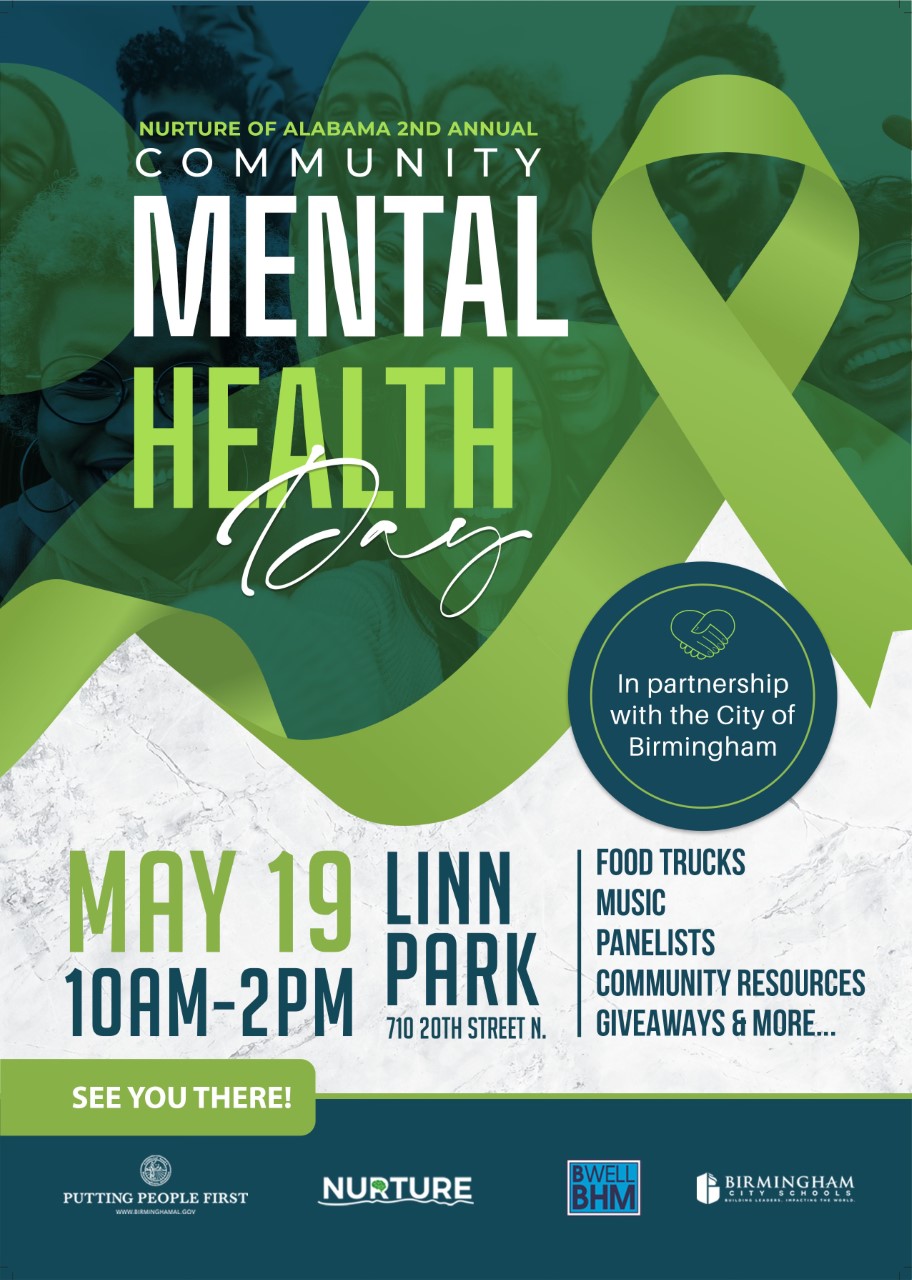
The City of Birmingham 2nd Annual Mental Health Day

By The PHAME-US Campaign

Join the PHAME-US.com and Wilkinson Wellness Lab team at this community event sponsored by Nuture, LLC, the City of Birmingham, AL and Birmingham City Schools. The event is free and open to the public.

Nurture of Alabama believes Birmingham can thrive, especially if communities address the mental health crisis experienced in our neighborhoods. Through the event Friday, May 19th, Nurture’s goals are to: 1) remove the stigma of mental health support, 2) improve mental health services accessibility, and 3) provide community education on mental health & wellness.

The event will have chair massages, a licensed professional counselor providing depression screenings, speakers,  free resources, giveaways, local food trucks,  yoga sessions, line dancing, blood pressure checks and more. So come out, have a good time, and let’s engage in mental wellness!

Stand up more and improve your health!

By Dr. Larrell L. Wilkinson | PHAME-US Campaign

What’s up? Are you? Yes, we are starting the post with a little humor in hopes that you will STAND UP! A study from a group of scientists at the University of Pittsburgh showed that on average, a person burned 8 more calories standing versus sitting at work (Creasy, Rogers, Byard, Kowalsky, & Jakicic, 2016). This may not sound like a lot, but if standing half the time during an 8 hour workday, after one week a person will have burned (used) 160 calories, about the standard serving size of Oreo cookies or Lay’s Classic Potato Chips. Again, this may not sound like a lot, but every little bit helps, Right?

Calories are how we measure energy and describes the energy we get from eating food and drinking. Calories don’t measure weight or length. Instead, we burn (use) calories when we exercise, walk, and perform regular movements throughout the day. Another way to burn calories is to simply, STAND. Also, there are other benefits to standing more during the day! Experts from the the Centers for Disease Control and Prevention (CDC) (Chosewood & Franklin, 2012) found that using sit-stand workstations did the following:

  • Standing more while at work decreases the amount of time spent in sedentary work
  • Standing more helps relieve pressure on the lower back, buttocks and legs, and may help reduce compression of the spine arising from long periods of sitting
  • Standing more may improve energy levels
  • Standing more frequently may improve cognition
  • Standing may increase circulation and lead to better blood flow to the brain and other organs
  • Standing more burns more calories than sitting
  • Standing more may assist with energy balance and aid in weight management
  • Standing more may improve bone density over time
  • Standing more may promote better sleep

So what about you? Are you standing more? Are you willing to TAKE A STAND and STAND UP? How will you stand more during the day? I can hear Ludacris’s song playing in my head…”When I Move, You Move.” So just LIKE THAT, let’s stand up and move together. Share your story about standing or the different ways you move here in the comments section and/or share with us on Facebook, Instagram, and Twitter.

References
Chosewood, L.C. & Franklin, C.C. (2012, December 5). NIOSH takes a stand. NIOSH Science Blog. https://blogs.cdc.gov/niosh-science-blog/2012/12/05/sit-stand/.

Creasy, S. A., Rogers, R. J., Byard, T. D., Kowalsky, R. J., & Jakicic, J. M. (2016). Energy Expenditure During Acute Periods of Sitting, Standing, and Walking. Journal of physical activity & health13(6), 573–578. https://doi.org/10.1123/jpah.2015-0419

Supporting HBCUs to overcome historic underfunding

By Terrie Johnson | UAB Community Health & Human Services Intern

Photo by Ron Lach on Pexels.com

Historically Black Colleges and Universities (HBCUs) have a history in the United States of being underfunded due to varied underlying factors. One of the reasons may the history of systematic inequities. In other words, the discriminatory practices prevalent during the history of the United States, may still impact Black institutions today. Throughout the history of HBCUs, the principal mission has been to education the African American population. Since HBCUs have been tied to the Black population, they are often on the receiving end concerning limited funds allocation (Bagasra et al., 2022). Over time, this issue has caused chronic state underinvestment in HBCUs. Thus, such institutions continue to suffer from a lack of critical funds to run operations.

Additionally, lower alumni contribution is a factor in the continued underfunding of HBCUs. However, this issue is also linked to the socioeconomic position of many African-Americans within the United States. For example, most HBCU alumni earn less when compared to their White college graduate counterparts (Bagasra et al., 2022). This situation creates a gap in the level of contributions that Black alumni from HBCUs can make to advance the institutions. The amount of Black wealth in the United States is comparatively lower. As such, it cannot provide the needed funding to advance the functionality of HBCUs. The current situation in the country, whereby Blacks have limited economic opportunities, further perpetuates the financial circumstances of HBCUs (Bagasra et al., 2022).

Despite the financial pressures experienced by many HBCUs, can be increased through the adoption of critical best practices. For example, a public-private partnership can be encouraged to increase funding sources for institutions. The creation of greater awareness regarding this initiative will advance contributions toward the improvement of HBCUs (Jones et al., 2017). Moreover, greater advocacy for equity at the state and federal level can lead to changes in policies that provide greater support to HBCUs. Improved educational experiences may lead to advancements in African-American capital, which in turn would allow for alumni to give back to their HBCUs. This is why all African Americans should consider contacting (i.e., tweet, email, letters, phone calls, etc.) their state and federal representative and government leaders advocate for more HBCU funding. Check out this link for the United Negro College Fund (UNCF) to learn more and advocate. Share your advocacy story with us in the comments section or on Facebook.

References

Bagasra, A., McLetchie, A., & Wesley, J. (eds.). (2022). Contributions of historically black colleges and universities in the 21st century. IGI Global.

Jones, T., Jones, S., Elliot, K., Owens, L., Assalone, A., & Gándara, D. (2017). Outcomes based funding and race in higher education: Can equity be bought? Springer.

Defeating Diabetes in the African American Community

By Regina Dodson | Community Health and Human Services Intern

Diabetes is a chronic disease that affects millions of people worldwide, and it is becoming increasingly prevalent in the African American community. According to the American Diabetes Association, African Americans are almost twice as likely to be diagnosed with diabetes as non-Hispanic whites. This is a significant problem that must be addressed to prevent the debilitating complications associated with the disease.

There are several reasons why diabetes is affecting the African American community. A primary factor is genetics, as research has shown that African Americans are more likely to develop diabetes due to their genetic makeup. Additionally, there are social determinants of health that contribute to the higher prevalence of diabetes in African Americans, such as limited access to healthcare, poverty, and discrimination.

Food deserts, defined as areas where there is limited access to healthy and affordable food options, are also prevalent in African American communities. They have been linked to a higher incidence of diabetes. Access to healthy food options is critical for the prevention and management of diabetes, as a healthy diet is a primary component of diabetes management. The elimination of food deserts in African American communities can help to reduce diabetes.

According to the Journal of Public Health Management and Practice, food deserts are more prevalent in African American communities compared to white communities, and they are associated with a higher incidence of diabetes. Lack of access to healthy food options can lead to a diet high in saturated fats, sugar, and processed foods, which are all risk factors. In addition to the lack of access to healthy food options, food deserts are also associated with poverty, which can lead to limited financial resources to purchase healthy foods. Low-income individuals are more likely to live in food deserts, and they are at a higher risk of developing diabetes due to their limited access to healthy foods (Walker et al, 2010).

Food deserts can be minimized in African American communities by investing in grocery stores and farmers’ markets that provide fresh produce and healthy food options. Additionally, community gardens and urban farming initiatives can help to provide healthy food options in underserved communities (Walker & Block, 2011). Community gardens and urban agriculture programs have been shown to be effective in increasing access to healthy foods in low-income neighborhoods. These programs provide residents with fresh fruits and vegetables, which can help reduce the incidence of diabetes and other chronic diseases and improve overall health outcomes (Lebrón et al, 2019).

References:

LeBrón, A. M. W., Schulz, A. J., Gamboa, C., Reyes, A. G., & Cordero, E. D. (2019). Food environment interventions to improve the dietary behavior of African Americans: A systematic review. Preventive Medicine Reports, 15, 100940.

Walker, R. E., Keane, C. R., & Burke, J. G. (2010). Disparities and access to healthy food in the United States: a review of food deserts literature. Health & place, 16(5), 876-884.

Walker, R. E., & Block, J. P. (2011). Opportunities for intervention: changing the environment to improve health. Journal of Public Health Management and Practice, 17(Suppl 1), S44-S50.


How to Kill Cancer in the African American Community

By Regina Dodson | UAB Community Health and Human Services Intern

Cancer is a leading cause of death in the United States, and there is also a high prevalence of the disease affecting the African American community. African Americans have higher cancer mortality rates than any other racial or ethnic group, with a 14% higher overall cancer death rate than non-Hispanic whites (ACS, 2021). This disparity can be caused by a variety of factors, including socio-economic status, lifestyle factors, and limited access to healthcare.

One solution to reduce cancer disparities in the African American community is to increase access to cancer screenings. Early detection is crucial in the treatment of cancer, and regular cancer screenings can help detect cancer at an early stage, when it is most treatable. However, African Americans are less likely to receive cancer screenings than non-Hispanic whites, due to limited access to healthcare (ACS, 2021).

Community-based interventions have shown promise in increasing cancer screening rates in the African American community. These interventions involve community outreach and education, providing information on the importance of cancer screenings and how to access them. The Patient Navigation Program provides individualized support to people wishing to be screened for cancer, including transportation and other logistical support (Ferrante et al., 2011).

Another community-based intervention is the use of mobile mammography units, which bring mammography services to underserved communities, making it easier for women to access breast cancer screenings (Willems et al., 2019). Mobile mammography units have been shown to be effective in increasing breast cancer screening rates in underserved populations, including African American women.

Increasing access to cancer screenings in the African American community is crucial for reducing cancer disparities. Community-based interventions, such as the Patient Navigation Program and mobile mammography units, can help increase cancer screening rates in underserved populations. By improving access to cancer screenings, we can help detect cancer at an early stage, leading to better treatment outcomes and ultimately reducing cancer mortality rates in the African American community.

References:

American Cancer Society (ACS). (2021). Cancer Facts & Figures for African Americans 2021-2023. Retrieved from https://www.cancer.org/content/dam/cancer-org/research/cancer-facts-and-statistics/cancer-facts-and-figures-for-african-americans/cancer-facts-and-figures-for-african-americans-2021-2023.pdf

Ferrante, J. M., Chen, P. H., Kim, S., & The-Pennsylvania-Patient-Centered-Medical-Home-Initiative (2011). The effect of patient navigation on time to diagnosis, anxiety, and satisfaction in urban minority women with abnormal mammograms: a randomized controlled trial. Journal of Urban Health, 88(2), 211–226. doi: 10.1007/s11524-010-9502-6

Willems, B. A., Henry, K. A., Richter, R. R., & Hsieh, Y. W. (2019). Breast Cancer Screening in Underserved Women in the United States: A Review of the Literature. Journal of Women’s Health, 28(2), 269–277. doi: 10.1089/jwh.2017.6863

Are We Really What We Eat?

By Angela Wilson | Community Health and Human Services Intern

I am sure we have all heard the phrase, “You are what you eat”, (Ludwig). But what does this phrase really mean? In short, it means that we must eat foods that benefit our bodies so that we can be healthy and fit. Heart disease, diabetes, and other cardiovascular diseases disproportionately affect the African American community so it is imperative that we examine the benefits of consuming certain fruits which may significantly lower our chances of getting these diseases. This commentary will address the health benefits of strawberries, blueberries, and raspberries.

         Strawberries are very rich in antioxidants and are an excellent source of vitamin C , manganese, folate, and potassium. Vitamin C strengthens the body’s defense and protects it from free radicals ( harmful molecules),  which has been linked to many chronic diseases. Manganese is an element that assists in building bones, wound healing, and reproductive health. Folate and Potassium are important for normal tissue growth, cell function, and essential bodily functions such as regulating blood pressure. Strawberries are 91% water and have a very low carb content. They also have a significant amount of fiber, (approximately 26%), which improves digestive health by feeding the friendly bacteria in your stomach. Lastly, evidence suggests that strawberries lowers the spike in blood sugar after consuming a meal, thereby aiding in blood sugar regulation.

        Blueberries contain some of the highest anti-oxidant levels which contribute to their ability to neutralize some of the free radicals that cause damage to your DNA. They also protect cholesterol in your blood from becoming damaged.  Bad cholesterol (LDL), increases your risk for heart disease and stroke. Blueberries are strongly linked to reduced levels of LDL, which makes them very good for your heart. Anthocyanin, one of the powerful antioxidants in blueberries has significant beneficial effects on insulin sensitivity and glucose metabolism.  This plays an instrumental role in reducing inflammation and aiding in the protection of conditions like cancer and diabetes.

        Raspberries are very low in sugar and are considered to be antioxidant powerhouses because of their high vitamin C content.  One 100-gram portion of raspberries provides 23 milligrams of vitamin C, which is approximately 30% of the recommended daily allowance for women.  They are associated with a lower risk of chronic stress related diseases such as heart disease and cancer. Raspberries support good digestive health due to their high fiber content and they also reduce the amount of insulin needed to manage blood sugar levels.

As you can see, these fruits are key components to good health and well being and should be incorporated into our diets as we strive to become healthier, stronger, and happier while protecting our bodies from chronic diseases and illnesses.

References:
Bjarnadottir, A. (March 2019). Strawberries 101: Nutrition Facts and Health Benefits. https://www.healthline.com. Retrieved February 27, 2023.
Ritcher, A. (January 2023). 10 Proven Health Benefits of Blueberries. https://www.healthline.com Retrieved February 27, 2023.
Sachdev, P. (September 2022). Health Benefits of Raspberries. https://www.webmd.com Retrieved February 27, 2023.

Are Diabetes Medications the Solution To Weight Loss?

By Terrie Johnson | UAB Community Health & Human Services Intern

Photo by Olia Danilevich on Pexels.com

The use of diabetes medication for weight loss is a growing trend among people facing obesity risks. A drug called semaglutide is used to help individuals manage their body mass. Based on existing studies, this medication is effective for weight loss. Its criticality is also based on limiting the development of type 2 diabetes (Singh et al., 2021). Patients receiving a dose of semaglutide medication have a higher chance of maintaining a desirable body mass index. Thus, the use of diabetes medications provides leverage for weight loss. This efficacy also makes it possible to mitigate the development and effects tied to type 2 diabetes. Therefore, the medication is a critical intervention for weight-related risk factors.

Even though diabetes medications such as semaglutide and liraglutide have positive effects on weight loss, they have negative implications. For example, their use curbs cravings for certain foods critical for relevant nutrients. The medications also lead to side effects like diarrhea and bloating (Singh et al., 2021). These issues may limit the achievement of the desired life quality. As such, there is a need to consider the reduction of side effects tied to diabetes medications. This stance would increase their efficacy in the advancement of weight loss. Thus, the interventions instigate the limitation of obesity-related issues that may reduce one’s quality of life.

Based on the review of existing studies, diabetes medication for weight loss is effective in mitigating weight-related issues. They also protect against the development of type 2 diabetes among at-risk populations (Singh et al., 2021). Thus, drugs, such as semaglutide, are instrumental to be applied in the weight loss process. They are effective in handling the risk of obesity and diabetes. Despite their side effects, the positive aspects are immense. Therefore, diabetes medication should be used to promote weight loss among at-risk patients.

Reference

Singh, G., Krauthamer, M., & Bjalme-Evans, M. (2021). Wegovy (semaglutide): A new weight loss drug for chronic weight management. Journal of Investigative Medicine, 70(1), 5–13. https://doi.org/10.1136/jim-2021-001952

Got a Tension Headache? Here Are A Few Ways To Relieve It!

By Terrie Johnson | UAB Community Health & Human Services Intern

Photo by SHVETS production on Pexels.com

Tension headaches affect the overall well-being of a person. The provision of interventions that relieve them advances the quality of life. One common way to relieve tension headaches is by using painkillers. (Hassan & Asaad, 2020). Medication is the first choice since it relieves pain. Physical exercises, such as yoga, provide leverage for the relaxation of the body, which can help to relieve tension headaches (Hassan & Asaad, 2020). Massages are also used to loosen tension in the head and neck muscles. This intervention is necessary because it stretches tight and shortened muscles, which aids in releasing tension in the head.

Other intervention measures that can be used to advance the relief of tension headaches include getting adequate sleep, using cold ice packs, etc. Changing sleep habits can help limit the experience of sleep apnea or insomnia. Cold packs can also be placed on the head to reduce tension headaches (Hassan & Asaad, 2020). The cooling effect reduces pain and minimizes headaches. If an individual has a tension headache, they are encouraged to stay at home and avoid taxing activities. They would also provide leverage for long-term quality health since they limit the experience of pain.

The application of non-evidence-based intervention measures may also relieve tension headaches. One relevant suggestion is to avoid stressful situations. The probability of having tension headaches are higher when we are stressed, or in noisy environments. That risk decreases when surroundings are conductive. In turn, calm environments are guaranteed to relieve tension headaches.

Reference

Hassan, M., & Asaad, T. (2020). Tension-type headache, its relation to stress, and how to relieve it by cryotherapy among academic students. Middle East Current Psychiatry, 27(1). https://doi.org/10.1186/s43045-020-00030-3