Category: Understanding (Insight & Wisdom)

Overcoming Life’s Challenges with a Positive and Healthy Attitude | Encouragement from James 1: 2-4

Photo by Eric Sanman on Pexels.com

Life is a journey filled with twists, turns, and unexpected hurdles. As we traverse our own path, we encounter challenges that test our resilience, adaptability, and determination. These enduring challenges shape our character, help define our purpose, and propel us toward growth and development. Additionally, working through troubling circumstances helps to strengthen us emotionally, especially perhaps to endure greater responsibilities for the advancement of God’s kingdom. “Consider it pure joy, my brothers and sisters, whenever you face trials of many kinds, because you know that the testing of your faith produces perseverance. Let perseverance finish its work so that you may be mature and complete, not lacking anything” (New International Version Bible, 2024, James. 1: 2-4).

Very interesting encouragement from the epistle of James. What if James is suggesting within the sacred text that as we endeavor to work through adverse circumstances negatively impacting us, we should keep a positive and healthy posture when dealing with these issues or problems? Perhaps this seems like a tall order to endure trials and keep a positive and healthy attitude, kind of like climbing a tall mountain.

First we must choose to climb the mountain (decide to address the hardship). Next, we prepare to climb the mountain (Prepping mindset to climb, trusting Him as the source of our strength). Then we climb (working to overcome the problem, building our faith and confidence with each step we take). Finally, we reach the mountain peak (at the top, we have a new sense of ourselves and our faith through this accomplishment).

Although navigating the steep terrain of a mountain can be daunting, reaching the peak can strengthen our sense of purpose, relationships, health, productivity, etc. No matter the mountain(s) (i.e., hardship, obstacle, problem, barrier, etc.) we are facing in our lives, with a view from the mountaintop, we can look back and reflect on the journey up the mountain – allowing for learning and new strength to be applied to the next climb. We become a more complete version of ourselves to be more useful in fulfilling our kingdom purpose. Still, in the climb, we must remain positive and healthy, emotionally. In this way, we endure.

We work to maintain a positive and healthy emotional well-being as we face any struggle. This means managing emotions well and having a sense of meaning, purpose, and supportive relationships (CDC, n.d.). Managing our emotions well, especially when experiencing hardships, includes:

  • Identifying, processing, and expressing emotions in healthy ways.
  • Knowing how to deal with uncertainty, stress, and change.
  • Being able to work through disagreements.
  • Looking for solutions to problems in useful ways.
  • Asking others for help and support.

Efforts to be remain positive and healthy during stressful and tough times may not be easy. That is why it is important to keep your sight towards the peak (look up) and keep moving in a forward (advancing) direction. Continue to climb, working ourselves out of any valley (low place, low feeling). For more encouragement, we hope you will connect with us in the comments area of this blogpost or on Facebook. Also, we encourage connecting with a good church that positively and healthfully nurtures spiritual and emotional well-being.

References
Centers for Disease Control & Prevention. (n.d.). About Emotional Well-Being. https://www.cdc.gov/emotional-well-being/about/index.html

New International Version. (2024). YouVersion. https://www.bible.com/bible/111/PHP.4.13

New International Version. (2024). YouVersion. https://www.bible.com/bible/111/JAS.1.NIV
Can God feel my pain?

By Mr. James Harris

Photo by Helena Lopes on Pexels.com

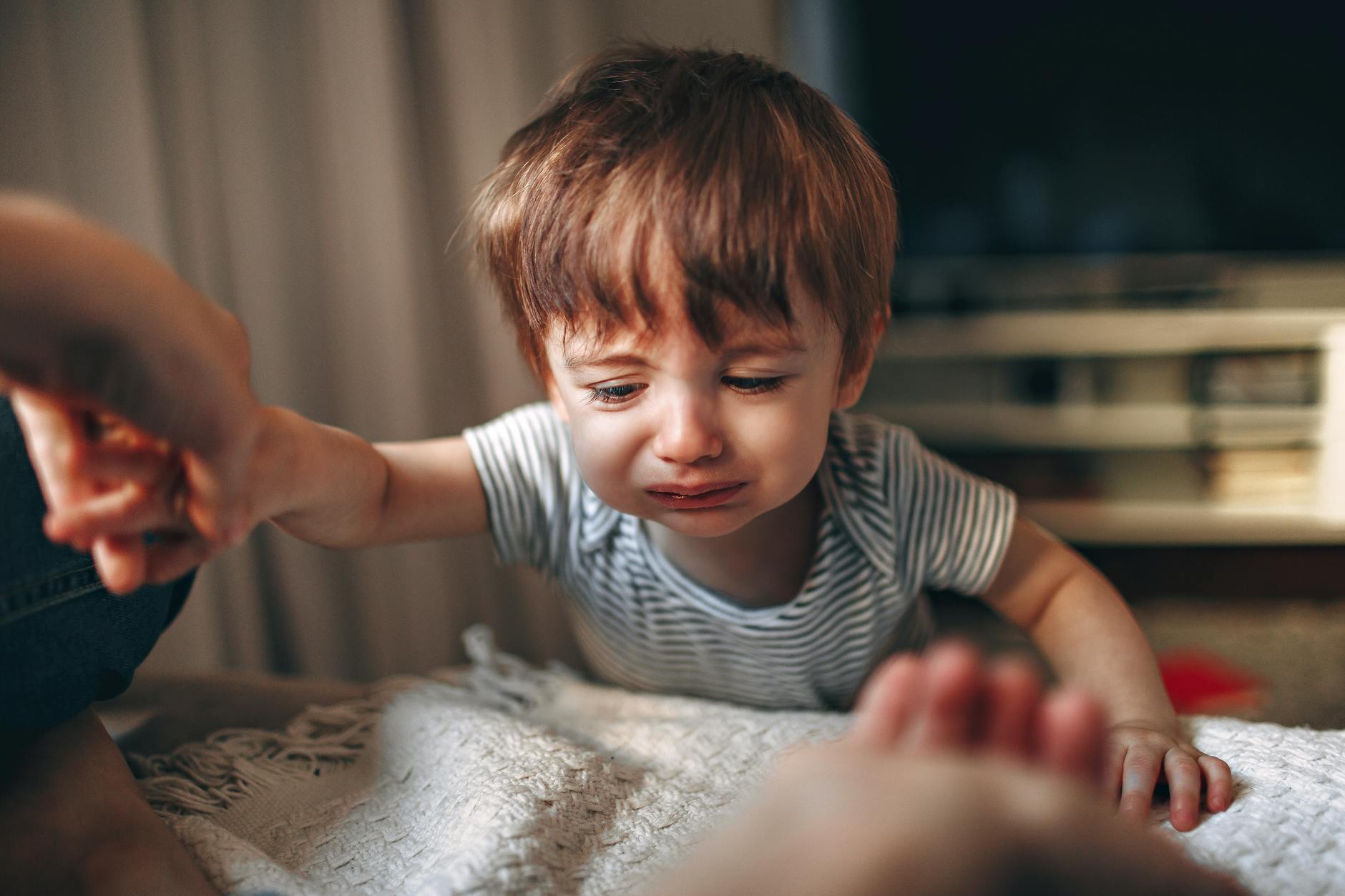
One night we had to take our youngest son to the ER because he was complaining of stomach pains. He was only 3 years old so describing the depth of the pain, he could not do, all he could say was, “Mommy Daddy it hurt, and pointed to his stomach.”

We took him and began to examine him. The nurse said she needed to take some blood to see if it was something they needed to treat. I will never forget what happened next as the nurse pulled out the needle to draw blood from his little arm. Wanda said to me “I cannot watch this” and left the room. There I stood having to hold him down to allow them to take his blood. I will never forget the look in his eyes, as the tears began to fall. He could not understand how his father could allow someone to hurt him like that.

We think that our Heavenly Father has no feelings or understanding of the pain in our hearts or the things that we have to bear in our daily lives. I am not sure where that lie came from but it is a big lie from the pit of hell. Jesus sets the record straight in Matt. 6:26 (NIV) about how the Father cares for us.

“Look at the birds of the air; they do not sow or reap or store away in barns, and yet your heavenly Father feeds them. Are you not much more valuable than they?”

I love my sons but God loves them and you and I much more than we have the capacity to totally understand. Jesus, the son of God became the son of man, so we the sons of men could become sons of God. Our Father wanted His Family back.

Blessings, James Harris

Previous experiences may bias our perceptions, even as racial bias does exist

By Aamya Wilson | UAB Community Health & Human Services Intern

Our previous life experiences may influence the way we perceive the event we encounter daily. When we encounter past traumas, the effects can linger for a long time. Thusly, when aspiring musician Baby Storme experienced a process of protocols to prevent her from flash mobbing (i.e., shooting her video) in a Target, she may have and continue to view the incident through a lens filtered with previous racially biased experiences. Given the Target encounter shared over social media, Baby Storme sparked a firestorm of responses on the encounter with comments supporting her views that the incident is clouded in racism and others exclaiming that Target has a right to implement protocols preventing flash mobs and other activities on/in their premises.

Racism, according to the CDC, can be defined as a system that assigns value and determines opportunity based on the way people look or the color of their skin, which can unfairly advantage and disadvantage those within our societies (CDC, 2023). Some social media commenters claimed that Baby Storme played the “race card” and suggested “racism” was at hand in order to exploit the particular situation for gaining sympathy or advantage. Was the popular TikTok platform African American alternative pop music star using the history of racism in America as way to seek benefit or raise a level of support for her actions? Maybe. When she made allegations against Target for being racist by not letting her and her dancers perform within their establishment, she may have felt victimized due to her race as months earlier the artist experienced an incident where she feels she was racially profiled at a local Citibank branch when performing a transaction with a $30,000.00 check. According to her self-report on social media, the workers within that bank immediately confiscated her check and called the police on her during the process. Her emotional experience shared on social media offers insight to how the negative event made her feel. Taken into consideration, it may not be such a far reach to see how Baby Storme may have perceived the Target incident have been biased by race.

Let’s continue to be reasonable. Target is a public space for consumers and has a duty to keep their store safe and friendly for their customers. Target as a corporation is definitely within their rights to authorize their employees to implement protocols and practices to preserve store safety and be accessible for all customers. Thusly, it is OK for them to limit the actions of flash mobs, limiting public disturbances, no matter what time of night the flash mob occurs (i.e., near closing hours).

As social media has become the new outlet to express many negative encounters and discriminatory actions, we may do so without fostering understanding. True, a soundbite is not enough time to offer context and comprehensive truth. Still, if people have an aim for sharing experiences to foster understanding, then processes toward strengthening relationships among people from different backgrounds will provider greater solidarity within society. Because, racism and discrimination to continue to occur within American society. Perhaps with social media, people may believe these negative experiences happen more often than they do. That is why it is also important to remember the following:

  • Work to not dwell on negative or dark thoughts (i.e., I will not let this negative situation define me…)
  • Stop negative self-talk (i.e., I will work to find the humanity and beauty; I hope my offenders will be able to find the humanity and beauty of all people, etc.)
  • Reframe negative situations (i.e., Racial bias is real, but I am determined for people to know my character, value my culture,…)
  • Establish healthy patterns for yourself (i.e., engage in exercise, healthy eating, prayer, meditation, supportive relationships, etc.)
  • Embrace positive moments (i.e., reflect on the positive moments in your life)
  • of all people I hope that those offending me will be able to see the beauty of all people

What are your thoughts? How do you stay positive? How do you offer to others your experiences to support understanding among diverse people? Please share in the comments below and on Facebook, here.

Resources

CDC. (2023, August). Racism and health. Centers for Disease Control and Prevention. https://www.cdc.gov/minorityhealth/racism-disparities/index.html

Reflecting on a tragic moment of civil rights history and feelings of yesterday

Larrell L. Wilkinson | PHAME-US

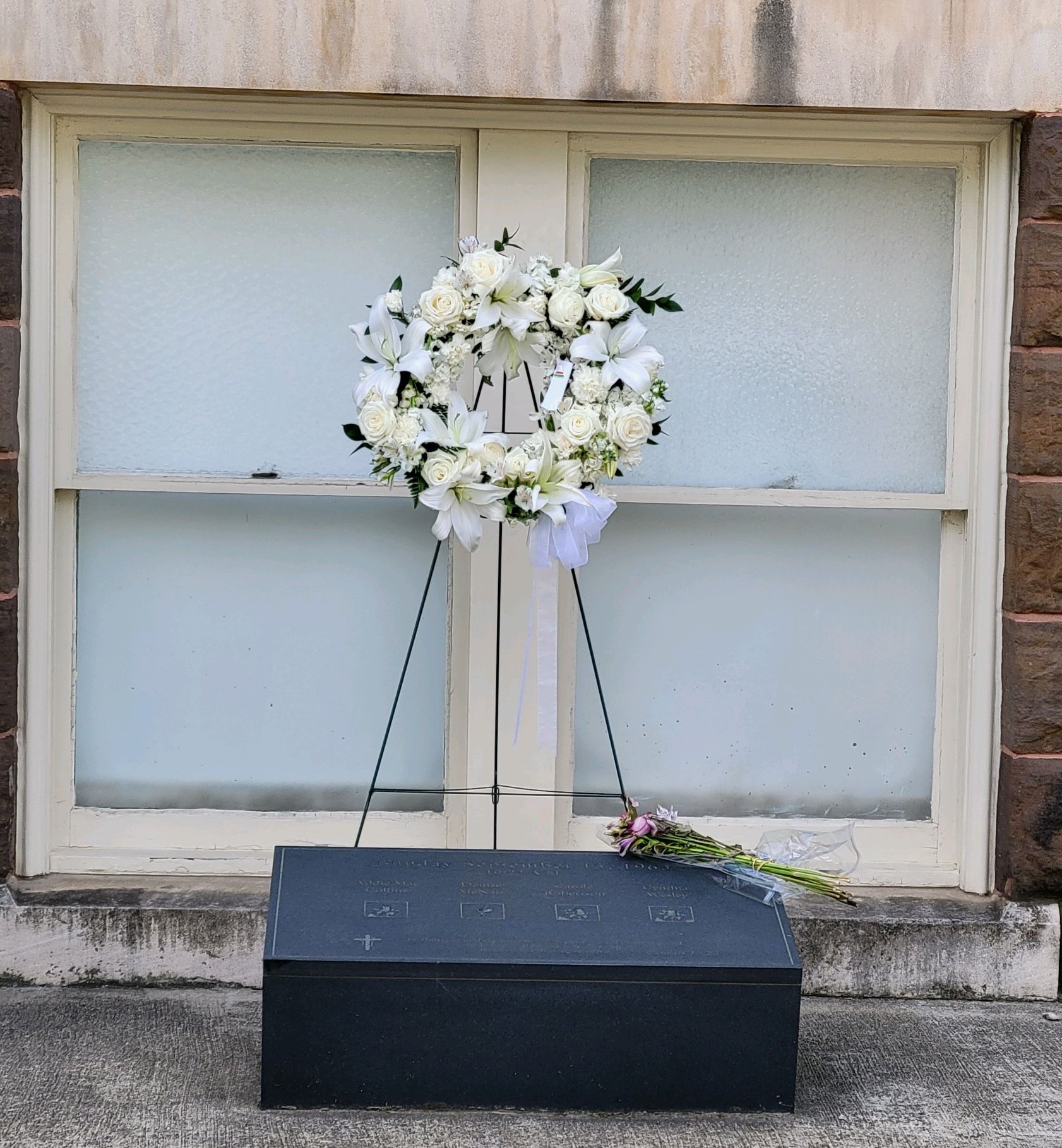
Photo of window at the 16th Street Baptist Church and memorial plaque honoring the memory of the four young girls killed by the KKK bombing of the the church on September 15, 1963.

I knew yesterday was going to hit me hard. During the early weeks of September in Birmingham, AL, the annual commemorations begin. This year marks 60 years since the tragic death of four little girls and the injuries of several others, during the turbulent days of the Civil Rights movement. The City of Birmingham honored the victims of the bombing of the 16th Street Baptist Church on September 15, 1963, during the week of remembrance.

Working in the Birmingham area, I often drive past the historic markers of the Civil Rights movement. I can see the A.G. Gaston Motel, the 16th Street Baptist Church, Kelly Ingram Park, the Birmingham Civil Rights Institute and drive to Montgomery, AL to the Equal Justice Initiative & National Memorial, Dexter Ave. Church, the Rosa Parks Museum, and sacred sites of the movement. This year, 60 years after that fateful day of losing Addie Mae Collins, Denise McNair, Carole Robertson, & Cynthia Wesley, I know that America has made progress towards racial conciliation. I see it daily at my job, during worship occasions at my church, in visiting my children’s school, walking my neighborhood and patronizing businesses in my community. Still, exercising faith for a future that overcomes the actions of hatred manifested by individuals and groups that want to further efforts to separate us in the U.S., by race, by class, by the faith we practice, by any means that furthers their hate filled mission, that faith must be strong and resilient.

The actions of 60 years ago may seem like history to some but are very relevant to communities of people who have additional concerns when we go for a jog, shop at our community stores, or worship in our churches. Our families trade text messages to remind each other to “be safe”, “travel in groups”, “don’t travel at night”, “don’t get off the phone until you get home”, “don’t get gas at night”, “don’t stop at any stores tonight, we’ll order it later”, etc. Perhaps some if you are reading this, you might say, these sayings sound like useful tips. In contrast, others reading these words understand that these aren’t just tips, but necessary actions of life preservation for people feeling maliciously targeted due to their culture. For many, events that happened 60 years ago doesn’t feel like history, it feels like yesterday. Still, these groups of people press forward in hopes that their girls and boys will experience a society where the actions of a hateful few are no longer. Their hope is in a loving God, with the direction to love Him and to also love your neighbor as yourself (New International Version, Matt. 22: 34 – 40). It is in experiencing this form of solidarity that we can share in faith, hope, and love; love being the greatest of these (New International Version, Cor. 13:13).

Hitting the Hot 100, checking STD stats, checking your STD status

Angela Wilson | UAB Community Health & Human Services Intern

Sexyy Red is the latest Hip-Hop sensation and cultural phenomenon.  She cemented herself as a mainstream artist with her break-out hit “Pound Town” and partnered up with Niki Minaj on the certified Gold hit entitled “Pound Town 2″, debuting at No. 66 on the Billboard Hot 100. Unfiltered, the rapper’s lyrics may be considered a bit “raunchy” for some listeners. Still, she has fans, many fans, amassing over 1.7 million followers on Instagram and is currently the opening act for mega-entertainer and rapper, Drake.  Often dawning pierced lips, eccentric hairstyles, and revealing clothes, Sexyy Red is a rising star in the rap and hip-hop genre. It appears many enjoy her message of sexual freedom, but some may also take issue with her messages, portrayal of Black women, or the way she discusses sexual experiences openly.

Sexy Red, whose real name is Janae Wherry, has been receiving tons of backlash lately after proclaiming herself “the raw dog queen” on Lil Yahty’s podcast. “Raw dog” is a saying that means “having unprotected sex.” She also revealed that she does not like condoms or latex and claimed that they make her private area smell. It did not take long for her comments to hit Facebook, Instagram, Twitter, and other forms of social media; with some disapproval and others claiming that she’s “keeping it real.”

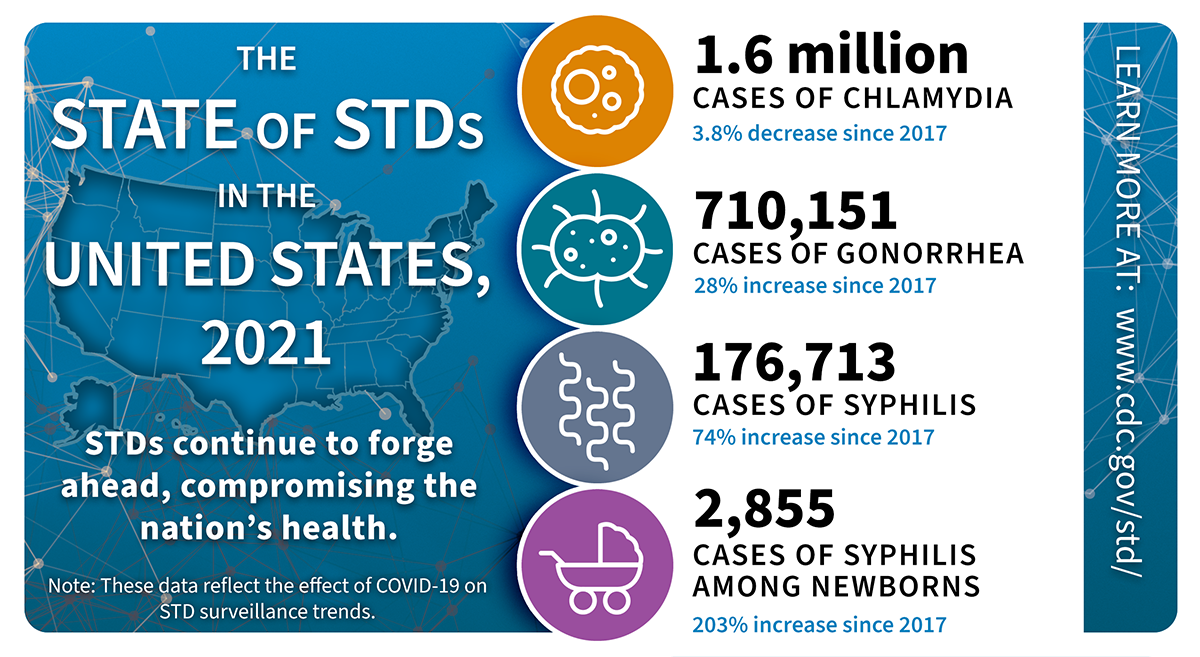
It is easy to understand the concerns about the some of the statements Sexy Red made in her interview. Still, it is important to raise awareness about some specific concerns if one chooses to engage in sexual activity. Check out the graphic from the Centers for Disease Control and Prevention (CDC) below regarding sexually transmitted diseases (STDs) in the United States.

Additionally, it is important to understand that consistent and correct use of latex condoms can drastically reduce the risk of gonorrhea, chlamydia, and trichomoniasis. Latex condoms can also reduce the risk of genital herpes, syphilis, and chancroid, working when a person’s infected area or site of potential exposure is protected (CDC, 2023). Check out the links with each sexually transmitted infection or disease (STI or STD) to learn the facts about each.

If someone has concerns about latex condoms, some condoms are made of other materials (i.e., polyurethane, polyisoprene, and nitrile) are great for people who have latex allergies or sensitivities. Still, these condoms may be slightly less effective at preventing STDs than condoms made from latex (Marfatia, Pandya, & Mehta, 2015).

If choosing to engage in sexual activities, health experts from the CDC and Planned Parenthood encourage individuals to consider the following tips:

For more tips and to learn more about protecting yourself during sexual activities, please check out the links above. Want to talk some more, check out our Facebook page here: @phame.us.impact.

References

Center for Disease Control and Prevention. (2023, September 5). U.S. STI Epidemic Showed No Signs of Slowing Down in 2021 – Cases Continued to Escalate. https://www.cdc.gov/nchhstp/newsroom/2023/STD-Surveillance-Report-2021-media-statement.html

Center for Disease Control and Prevention. (2023, September 5). How can I Protect Myself from HIV?. https://www.cdc.gov/hiv/basics/hiv-prevention/protect-yourself-during-sex.html

Marfatia YS, Pandya I, Mehta K. Condoms: past, present, and futureIndian J Sex Transm Dis AIDS. 2015;36(2):133–9. doi:10.4103/0253-7184.167135

Taking on Stereotypes About Black Women’s Hair

By Angela Wilson | UAB Community Health and Human Services Intern

Photo by Ogo on Pexels.com

It gets incredibly exhausting to dispel myths about the African American culture constantly.  It is even more tiring to have to defend your hair repeatedly.  As more black women become educated, enter the workforce, and become entrepreneurs, many still defend their hair, especially if they wear it in natural styles like afros, braids, Bantu knots, and locs.  In recent years, Black women have increasingly embraced wearing their natural hair and have abandoned using perms and relaxers.  Some say this could be viewed as the Black woman’s revolution, and even though Black women have been celebrated and (mostly) accepted for their decision to go all-natural, it is still an ongoing battle to combat some stereotypes associated with Black hair. 

So, what are some of these stereotypes associated with Black women’s hair? Well, there is the myth that Black women never wash their hair.  This seemingly stems from the fact that most Black women’s hair is naturally dry, making it more vulnerable to breakage.  As a result, they may opt to wash their hair less frequently to avoid stripping it of its natural oils.  Another stereotype is that Black women’s hair cannot grow long, which is why Black women wear hair extensions and wigs.  Although race seems to be a factor in Black women’s hair growth, several other factors, including genetics, nutrition, and age, also play a role.  On average, a Black woman’s hair grows approximately 4 inches a year (one inch shorter per year than White women’s), but due to the coarse texture of Black hair, the length does not show unless the hair is straightened.  As far as Black women wearing weaves and wigs, most Black women wear them to provide a protective styling option, save time, and explore more hair options like different hair colors, not because their hair will not grow. 

These stereotypes are not exhaustive; unfortunately, much more must be debunked.  Hopefully, as more people educate themselves with facts and knowledge, Black women can finally escape the many stereotypes about their hair.

References

Alcindor, et al. (2021). PBS.org. How Hair Discrimination Impacts Black Americans in Their Personal Lives and Workplacehttps://www.pbs.org

Scholars Strategy Network. (2021). What’s Hair Got to Do with It? Black Women’s Bodies and the Traditional Look of Success in American Politics. https://scholars.org.

Beach safety and awareness after the loss of former NFL Quarterback Ryan Mallett

By Amanda Benko | UAB Community Health & Human Services Intern

Photo: Courtesy of County Website: coab.us

The gulf coast has seen at least 11 drowning deaths in the last month. The death of former Houston Texans quarterback, Ryan Mallett, is bringing new attention to these tragedies. Bay County Sheriff Tommy Ford states on Facebook, “I am beyond frustrated at the situation that we have with tragic and unnecessary deaths in the Gulf.” He goes on to say that he has witnessed lifeguards, firefighters, and deputies all risking their lives to save strangers. He remarks on two different events where fathers drown (on Father’s Day), trying to save their kids from the Gulf of Mexico rip currents. Ford goes on to mention that they have been using the double red flags but do not have the resources to sight everyone who enters the water. Over 113 people died in 2021 due to rip currents.  

The beach flags are an example of strategies to reduce cases of drownings. When rip currents are present, lifesaving techniques increase public confidence, preventing drowning (Locknick, 2020). The hazards on the beach include marine life and various hazardous conditions. The red flag is a significant beach flag indicating that entering the water is discouraged for the public since dangerous currents or high surf is present. Other beach flags include the red over the red flag (or double-red), yellow, and purple flag. The double red flag indicates that the public should not enter the water; the beach is closed. Beachgoers need to exercise caution and abide by the warnings that flags signify. The ocean has an unpredictable nature and many potential dangers.

Ryan Mallett had recently accepted a job as a head coach in White Hall, Arkansas. His example for young athletes will be greatly missed and the community was deeply saddened by his loss. His death is a tragic reminder for us to take the beach warnings provided by the warning flags seriously. Many of us are not current or former elite athletes and his death reminds us of the strength of the ocean current. Please be safe and educate yourself and your family on beach warning flags, beach etiquette, and beach safety. For these and more tips, please visit the American Red Cross and the United States Lifesaving Association.

References:

Field Jr, G. (2023). Water Safety Education in Michigan: Teachers as Navigators Towards Water Safety for Children and Youth (Doctoral dissertation, Michigan State University).

Fisher, M. (2023, June 28). Ryan Mallett’s Death: New Details Emerge; Sheriff “Frustrated” About “Deadliest Beach.” Fan Nation. https://www.si.com/nfl/texans/news/ryan-mallett-death-new-details-emerge-sheriff-deadly-beach-obit-houston-texans-tom-brady-rip-gulf

Locknick, S. (2020). Correspondence of Beach User Perception, Lifesaving Strategies and Rip Currents at Brackley Beach and Cavendish Beach Prince Edward Island (Doctoral dissertation, University of Windsor (Canada)).

The History Behind Carrie A. Tuggle Elementary School

Angela Wilson | Intern UAB School of Education | CHHS

Photo: Instagram | #carrieatuggleelementaryschool

The History Behind Tuggle Elementary School

Tuggle Elementary School is located in Birmingham, Alabama and has approximately 472 students from Pre-Kindergarten to fifth grade. Although it has been affiliated with The Birmingham City School System since 1926, many natives of Birmingham are oblivious to the remarkable history embedded in its name.

Tuggle Elementary School is named after Carrie A. Tuggle, a fierce innovator whose trailblazing efforts are still visible today.  She was born in 1858 in Eufaula, Alabama and subsequently married John Tuggle and had four children.  The couple eventually moved to Birmingham in search of better job opportunities.

Mrs. Tuggle excelled in education, social work, and religion, and found her calling when she began working with delinquent boys as a welfare officer.  After speaking on behalf of boys as young as ten years old, she was inspired to provide housing accommodations for orphaned black children.  She initially took them into her home, until she was able to open a single-building school in September 1903. Named The Tuggle Institute this facility allowed black, destitute orphans and juveniles to receive an education. She also used her courtroom experience to help create The Jefferson County Juvenile and Domestic Court. 

The Tuggle Institute garnered praise from the citizens of Birmingham and was noted for its substantial contributions to the advancement of black people.  Some outstanding alumni who credit Mrs. Tuggle for her influence include Dr. A. G. Gaston, John T. Wheatley, and Erskine Hawkins, to name a few. The Tuggle Institute became affiliated with the Birmingham City Public Schools in 1926. In 1936, The Board of Education named it the Carrie A. Tuggle Elementary School.

Carrie A. Tuggle died in November 1954 and is buried on the school’s ground. There is memorial plaque with these words inscribed: “Carrie A. Tuggle, a scholar, educator, and servant of mankind.” To learn more about Mrs. Tuggle and Carrie A. Tuggle Elementary School, check out https://alafricanamerican.com/beyond-the-book-honoree-archives/beyond-the-book-carrie-tuggle/

References:

Alabama Women’s Hall of Fame. Carrie A. Tuggle. http://www.awhf.org.

Beyond the book – Carrie A. Tuggle – Alabama African American history. Alabama African American History – sponsored by AT&T. (2022, January 14). https://alafricanamerican.com/beyond-the-book-honoree-archives/beyond-the-book-carrie-tuggle/

Lizzo Is PHAT and Fed Up! Is There Any Kindness on Social Media?

Angela Wilson | Intern UAB School of Education | CHHS

Photo by Pixabay on Pexels.com

Is There Any Kindness on Social Media?

Melissa Viviane Jefferson, also known as Lizzo, is a talented singer, songwriter, rapper, and actress.  She is a trained flutist and has cemented herself in history by playing a crystal flute that President James Madison once owned at a concert in Washington, D.C.  She has won four Grammy Awards, two Soul Train Awards, and a Billboard Music Award.  With over 13 million Instagram followers, there is no denying that Lizzo is a hip- hop and cultural icon. But with all her wealth, success, and fans, Lizzo is ready to call it a quits.  She admits to being fat and she (usually) proudly displays her body in skimpy, revealing outfits, but not without social media trolls reminding her that she is overweight.

One would think that having a voice and stage presence as large as Lizzo’s, she would be somewhat shielded from mean spirited people who seem to get joy from name calling. Unfortunately, this is not the case.  Lizzo is constantly fat shamed because of her body.  She posted to her Twitter account (in part), that she was close to giving up and quitting because of all the name-calling she receives.  She concluded that the love she receives does not outweigh the hate.  So here we are (seemingly) on the cusp of losing one of the most influential hip-hop icons of our time, all because of a lack of kindness and compassion from the social media community.

Lizzo’s experience is just a small sample of a larger issue that is impacting millions of Americans. As our world leans more toward innovative technology and digitalization, we are seeing an increase in people being targeted by online bullying and offensive name-calling.  According to The Pew Research Center (Vogels, 2021), 41% of adults have experienced online harassment, and women are more likely than men to be victims.  While some perpetrators perceive cyberbullying as harmless fun, the effects of cyberbullying are serious. Victims of online bullying may experience feelings of distress, increased feelings of mood swings and depression, insomnia, low self-esteem, and even suicide.   So, while Lizzo’s platform brings visibility to this ongoing issue, there is a significant amount of work to be done to help alleviate it, and that work starts with each of us. As social media users, we need to get involved and actively promote a safe, supportive, and welcoming online environment for people being bullied.  There are no bystanders when it comes to cyberbullying and harassment. So, the next time you are on Facebook, Instagram, or any other social media platform, and you see someone being cyber-bullied, will you interject with kindness and be a part of the solution, or be a part of the problem?

References

Cuncic, A. (2022). Verywellmind. The Psychollogy of Cyberbullying. https://www.verymind.com.

Vogels. E. (2021). Pew Research. The State of Online Harassment. www.pewresearch.org.  

Your Hair Your Health

By Terrie Johnson | UAB Community Health & Human Services Intern

Photo by TUBARONES PHOTOGRAPHY on Pexels.com

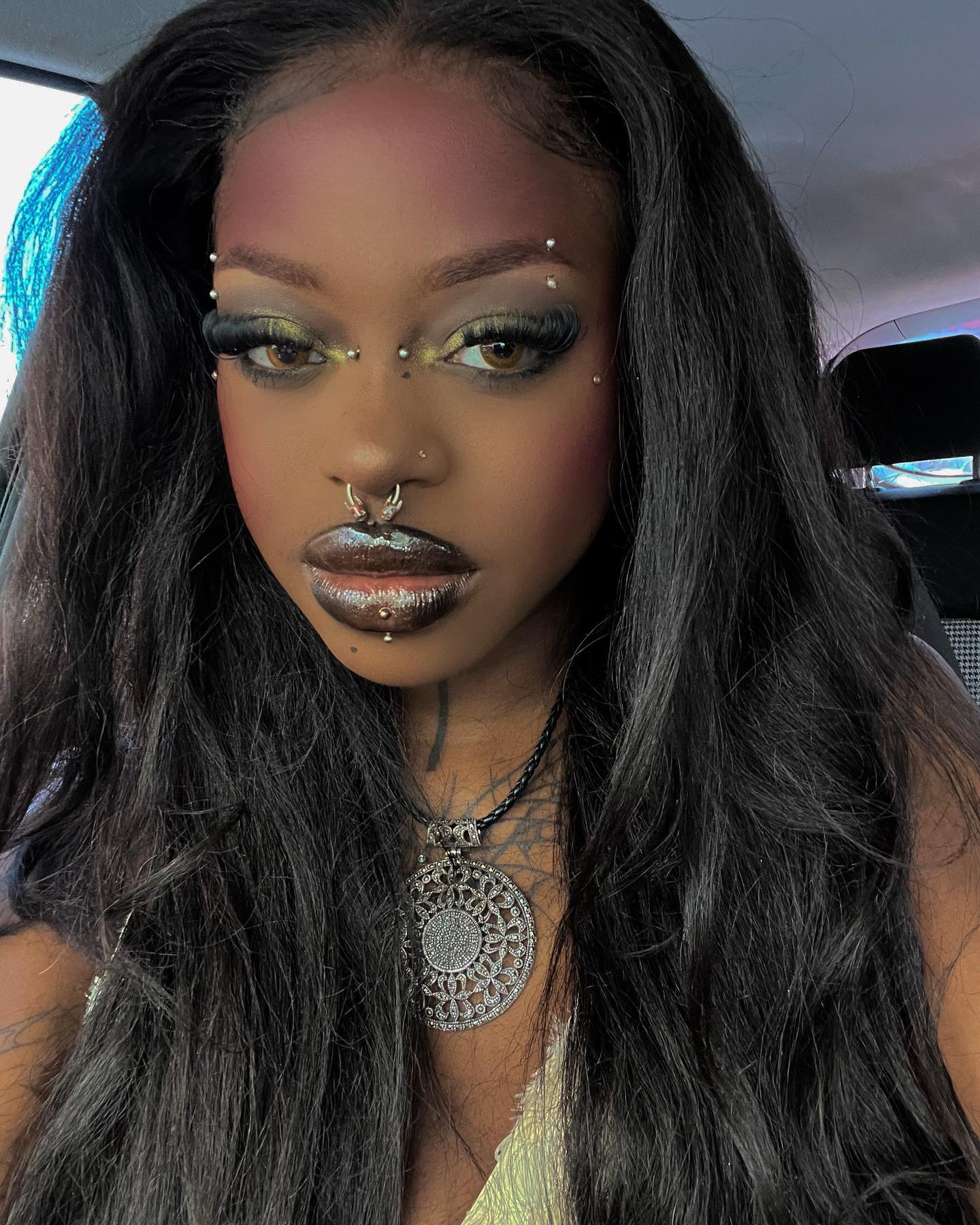
Black women have an intricate emotional attachment to their hair. This inclination stems from the aspects of what hair represents to them. In most cases, it is not taken just as an extension of parts of the body, but as a reflection of one’s moods. For most Black women, hair is a symbol of identity. Foundationally, it provides bearings to identify as a strong individual with a critical cultural background. To most individuals from this population segment, hair is a treasure that cannot be ignored. As such, care and attention are given to ensure that it signifies something relevant that runs much deeper.

In the context of appreciating their beauty, most Black women consider their hair an extension of their physical outlook. Thus, it represents an intricate aspect regarding their emotional well-being. Often, hair is taken as part of expressing one’s mental state. It is considered a direct mirror of a Black woman’s mood (Vice Media Group, 2022). The perfectly made hair is perceived as a revelation of one’s happiness and state of pride in who she is and represents. Among Black women, hair is viewed as a connecting element (Vice Media Group, 2022). It brings women together to share their experiences and perspectives concerning society. Therefore, hair’s relevance transcends its aesthetical value.

The time Black women take to wash and care for their hair symbolizes its criticality and the reason behind the emotional attachment. Despite the amount of time required to make it perfect, most Black women do not mind. This inclination is based on hair being a representation of the ancient hairstyles and rituals imported from Africa, and some developed in varied locations following slavery. As such, when Black women braid their hair, they feel an emotional connection to their ancestral past. Thus, based on the above reasons, hair remains a relevant part of Black women’s existence.

Reference

Vice Media Group. (2022). Braids, wigs, & wash day routines: 4 Black women on the meaning behind their hair ritual. Refinery29. Retrieved from https://www.refinery29.com/en-us/black-women-hair-routines-meaning