Tag: cancer

Former NBA star & champion Dwayne Wade raises awareness about Kidney Cancer

by Larrell L. Wilkinson, PHAME-US.com

Dwyane Wade, the celebrated NBA Hall of Famer, recently opened up about his battle with kidney cancer on Late Night with Jimmy Fallon. Wade shared that his diagnosis came after he turned 40 and decided to undergo a comprehensive health check-up. With a family history of cancer—his father and grandfather both battled prostate cancer—he wanted to be proactive about his health. In December 2023, Wade underwent a procedure to remove part of his kidney, which was later confirmed to be cancerous.

On the talk show known for its humor and funny comedic bits, Wade shared the importance of knowing your body and getting “checked out” by a doctor. During an emotional appearance on the talk show Jenna & Friends, Mr. Wade shared more regarding his health, challenges, and the symptoms that led him to speak to his doctor who recommended additional tests. He also gave credit to his wife, actress Gabrielle Union, and his children for their support during his recovery.

The Centers for Disease Control and Prevention (CDC) lists the following symptoms for kidney cancer, including:

  • Blood in the urine.
  • A lump or swelling in the kidney area or abdomen.
  • Lower back pain or pain in the side that doesn’t go away.
  • Feeling tired often.
  • Fever that keeps coming back.
  • Not feeling like eating.
  • Losing weight for no reason that you know of.
  • Something blocking your bowels.
  • A general feeling of poor health.

In 2024, the American Cancer Society (ACS) estimates that 14,390 people (9,450 men and 4,940 women) died from kidney cancer disease in 2024 and approximately 81,610 new cases of kidney cancer were diagnosed (American Cancer Society, n.d.). The CDC recommends several steps to lower the risk of kidney and renal pelvis cancers, including:

  • Maintain a healthy weight: Obesity is a risk factor, so staying active and eating a balanced diet can help.
  • Avoid smoking: Smoking increases the risk of kidney cancer, so quitting is highly beneficial.
  • Be cautious with certain chemicals: Especially trichloroethylene, which is used in some industrial jobs. Proper safety measures are essential if you’re exposed to it.

To learn more about Dwayne Wade and hear more about his life, perspectives on sports, fashion, music, and business, we can tune into his channel on YouTube, the WY Network. To learn more about kidney cancer, please visit the CDC web presence for kidney cancer and the American Cancer Society (ACS). To raise awareness and encourage others regarding their health journeys, please consider engaging with US on Facebook.

References
American Cancer Society. (n.d.). About Kidney Cancer. http://Www.cancer.org. Retrieved March 11, 2025, from https://www.cancer.org/cancer/types/kidney-cancer/about.html
CDC. (2024, April 25). Kidney Cancer Basics. Kidney Cancer. https://www.cdc.gov/kidney-cancer/about/index.html

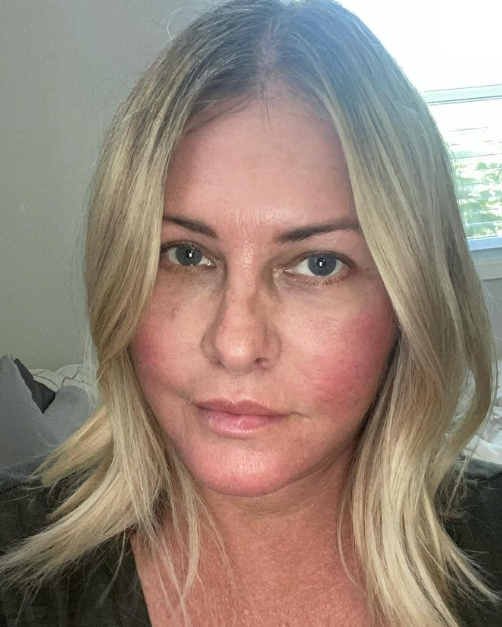
Nicole Eggert’s brave battle and raising breast cancer awareness

By PHAME-US Campaign

In December of 2023, Nicole Eggert shared publicly that she had been diagnosed with breast cancer. The 52 year old actress and mother of two, popularly known for her roles in popular television shows such as “Baywatch” and “Charles in Charge,” shocked her fans when she revealed her breast cancer diagnosis. By sharing her personal journey, she has become an advocate for breast cancer awareness, shedding light on the challenges that individuals facing this disease encounter.

Nicole Eggert’s decision to share her breast cancer diagnosis with the public is a commendable act that goes beyond personal vulnerability. By doing so, she has actively contributed to the ongoing conversation about breast cancer awareness. Awareness campaigns play a crucial role in encouraging early detection, emphasizing the importance of regular screenings, and dispelling myths surrounding the disease. Eggert’s openness encourages others to prioritize their health and seek medical attention when needed.

In 2024, the American Cancer Society (ACS) (n.d.) estimates about 310,720 new cases of invasive breast cancer will be diagnosed in women. Eggert’s openness about her breast cancer diagnosis not only raises awareness but also encourages a much-needed dialogue about the emotional and physical toll of the disease. The ACS (n.d.) reports that a cancer diagnosis can affect the emotional health of patients, families, and caregivers and is associated with feelings of anxiety, distress, and depression. By sharing the ups and downs of her treatment, she helps break down the stigma associated with cancer, fostering a supportive environment for those facing similar challenges. This dialogue is essential in creating a more empathetic society that understands the complexities of the cancer journey.

To reduce risk of breast cancer, the ACS recommends:

Have you used been screened for breast cancer? Is breast cancer on your health radar? What are your experiences in breast cancer prevention? We encourage the sharing of valuable information and experiences here in the comments section or here on Facebook.

References

How to Kill Cancer in the African American Community

By Regina Dodson | UAB Community Health and Human Services Intern

Cancer is a leading cause of death in the United States, and there is also a high prevalence of the disease affecting the African American community. African Americans have higher cancer mortality rates than any other racial or ethnic group, with a 14% higher overall cancer death rate than non-Hispanic whites (ACS, 2021). This disparity can be caused by a variety of factors, including socio-economic status, lifestyle factors, and limited access to healthcare.

One solution to reduce cancer disparities in the African American community is to increase access to cancer screenings. Early detection is crucial in the treatment of cancer, and regular cancer screenings can help detect cancer at an early stage, when it is most treatable. However, African Americans are less likely to receive cancer screenings than non-Hispanic whites, due to limited access to healthcare (ACS, 2021).

Community-based interventions have shown promise in increasing cancer screening rates in the African American community. These interventions involve community outreach and education, providing information on the importance of cancer screenings and how to access them. The Patient Navigation Program provides individualized support to people wishing to be screened for cancer, including transportation and other logistical support (Ferrante et al., 2011).

Another community-based intervention is the use of mobile mammography units, which bring mammography services to underserved communities, making it easier for women to access breast cancer screenings (Willems et al., 2019). Mobile mammography units have been shown to be effective in increasing breast cancer screening rates in underserved populations, including African American women.

Increasing access to cancer screenings in the African American community is crucial for reducing cancer disparities. Community-based interventions, such as the Patient Navigation Program and mobile mammography units, can help increase cancer screening rates in underserved populations. By improving access to cancer screenings, we can help detect cancer at an early stage, leading to better treatment outcomes and ultimately reducing cancer mortality rates in the African American community.

References:

American Cancer Society (ACS). (2021). Cancer Facts & Figures for African Americans 2021-2023. Retrieved from https://www.cancer.org/content/dam/cancer-org/research/cancer-facts-and-statistics/cancer-facts-and-figures-for-african-americans/cancer-facts-and-figures-for-african-americans-2021-2023.pdf

Ferrante, J. M., Chen, P. H., Kim, S., & The-Pennsylvania-Patient-Centered-Medical-Home-Initiative (2011). The effect of patient navigation on time to diagnosis, anxiety, and satisfaction in urban minority women with abnormal mammograms: a randomized controlled trial. Journal of Urban Health, 88(2), 211–226. doi: 10.1007/s11524-010-9502-6

Willems, B. A., Henry, K. A., Richter, R. R., & Hsieh, Y. W. (2019). Breast Cancer Screening in Underserved Women in the United States: A Review of the Literature. Journal of Women’s Health, 28(2), 269–277. doi: 10.1089/jwh.2017.6863