Tag: Positive

Pete Davidson – It’s OK when you are not OK

Angela Wilson | UAB Community Health & Human Services Intern

Photo: Saturday Night Live @NBCSNL on Instagram

Pete Davidson is a comedian, actor, and writer.  He made us laugh for many years while performing outrageous skits on the late-night series, Saturday Night Live, but America’s funny man has checked into a rehabilitation facility, and it is no laughing matter (Drillinger, 2023) . Davidson has always been transparent about his diagnosis of post traumatic stress disorder, (PTSD) and borderline personality disorder. Sometimes we think that entertainers are exempt from mental health issues, but Davidson is the epitome of that not being the case.  Pete Davidson is one of millions of Americans who suffer from mental health disorders, partially brought on by the death of his father in the September 11, 2001 attacks.

Like Pete, many Americans need therapy to help protect their mental health, and according to Cindy Sharp, a local Clinical Social Worker/ Therapist, who specializes in trauma, anxiety, and depression, there has been a spike in people seeking mental health services. Worry, grief, self-doubt, anxiety, losing loved ones, and divorce are things that we all go through at some point in our lives. However, due to the stigma attached to mental health, we often do not seek out the help that we need. People end up suffering in silence as they struggle with day-to-day living. Most of us will go to a doctor when our physical body is in pain, but when our mental state is hurting, we do not put forth the same energy. We need to normalize and destigmatize taking care of our mental health.

Mrs. Sharp’s practice focuses on a holistic approach to therapy.  She feels passionate about providing an environment where people with mental health issues can feel safe and supported so they can embrace positivity and begin the journey to heal.  She is just one of many therapists who can help you explore your troubling issues. 

If you are struggling with your emotions, thoughts, or behaviors and feel that your mental health is at risk, please seek help! It is OK so say you are not OK.  Pete Davidson realized he was not ok and took the necessary steps to get help. How many others are willing to do the same?

References

Drillinger, M. (2023). Pete Davidson Checks Into Rehab for PTSD, Other Mental Health Issues. Healthline. https://www.healthline.com

Dear Black Girl & Dear Black Boy: Interview with author Dr. Cheri Langley

By Angela Wilson | UAB Community Health & Human Services Intern

Photo by Jairo David Arboleda on Pexels.com

I had the privilege of interviewing the author of Dear Black Girl and Dear Black Boy.  Dr. Cheri N. Langley wrote these books that brings visibility, perspective, and awareness to some of the issues that impact African American boys and girls.  These short, colorful poems help children process some of the racial tensions that they are facing in society.  Dr, Langley further acknowledges that being a black boy in America can carry anxiety and she offers advice on how to engage with law enforcement that could possibly save lives.

In Dear Black Girl, Dr. Langley approaches the issues of racism, sexism, and misogynistic stereotypes experienced by young African American girls. This literature is to invoke conversation and facilitate a healthy dialogue between young black girls and their parents and caregivers.  The language in both books is in poetry form with pictures that are captivating. Dr. Langley does an outstanding job with describing the life of young African American children and commanding their attention to these stories. Her dedication is inscribed at the beginning of the story where she assures her audience that they are loved, and their voices are heard. She brilliantly puts discussion questions at the end of the books that parents can use to help their children understand the contents and purpose. These books serve to bring truth, facts, and compassion to African American children who may not have a voice. Dr. Langley feels that it is important for children of other races to read the book so they can see the lives of their African American peers through their lens.

Dr. Cheryl Langley’s inspiration for Dear Black Boy came from watching the video of George Floyd. Being the mother of two black sons, she said she could not just “look away” from such a horrific incident and felt the need to write to reach little black boys who may be crying out for help.  Dr. Langley is an advocate for underserved and minority populations and has been heavily involved with research involving HIV and AIDS, and sexually transmitted infections awareness and prevention.  She uses her background in behavioral sciences and her work through novels and poems to help facilitate her journey to create positive change, protest injustices, and increase dialogue regarding systemic inequality.  

If you are interested in purchasing either of these works, please check out: https://www.amazon.com/stores/Dr.%20Cheri%20N%20Langley/author/B097QQL3RW

References:

Langley, C. (2023). Dear Black Boy. Dear Black Girl. Langleyresearch.org

Reflecting on purpose when choosing close friends

By Larrell L. Wilkinson | PHAME-US Campaign

Photo by Mauru00edcio Mascaro on Pexels.com

It has been said, “birds of a feather flock together.” I heard the wise saying growing up, especially in my teen years. I would see the saying on inspirational posters or hear it from family members and/or church leaders…particularly when being encouraged to stay away from individuals that may have been troublemakers. As the admonishment would go, “avoid hanging out with (insert first name) person, else you may end up in trouble like them. Remember, “birds of a feather flock together.” I know it seems so cliché, but coming back around to this quote many years later, I will acknowledge that the friends we have around us, particularly our closest friends, will more than likely influence the direction of our life. Our closest friends are likely a significant ingredient in our life’s recipe for successfully accomplishing our goals. So then questions arise like, “what goals do I have for my life” and “how should I determine who I let into my closest friend circle?

I recently had the opportunity to reflect on the process of choosing people in support of living out purpose while listening to the Bible. In Acts of the Apostles 1:12-21 (NLT), the apostles are meeting to chose another person to become a witness with them to the resurrection of Jesus. The apostles were looking for a person who would be trusted with leading in the Gospel and joining them in the innermost circle of the work to be done. Much like friends with different life experiences, the apostle’s relationships were lets say,…very human. And when it came to choosing from among people in their network, Acts of the Apostles 1:24 suggests that the men “prayed” about the hearts of the men to join them in the inner workings of the ministry. Hmmm, praying about who I should let into my closest network of people to join me in my most important works of life. Outside of my wife, I hadn’t much thought of that.

When it comes to making friends, we are told to associate higher (associating with people in a higher social status than your current position), choose friends with similar values and/or goals to your own, or choose friends that balance your strengths/weaknesses. All of this is good advice. Additionally, let’s acknowledge that in order for us and our flock to soar towards our purpose in life, it doesn’t hurt to pray about and for the people coming into or already in our lives. Perhaps we should consider talking through (vetting) and praying with trusted people already in our lives about individuals who may join our circle? Sound too intrusive? Sound too clique’ish? What if being intentional about the type of individuals joining us on our life’s journey and mission was a key ingredient to our success? I get it. Honestly, it feels a little uncomfortable to type. However, as I travel along the lifecourse, I’ve had many good and not so good experiences.

The best contributors to my continued evolution in life have been the ones that I know God has blessed me with encountering. God has placed a great variety of people from many different backgrounds and experiences in my life to help me along the way. Sometimes I prayed and the person came, other times I met the person through a program, in school, through work, etc. and later recognized that God sent them. Overall, we seldom go wrong when we have around us, people who are positive individuals, supportive of overall health, seeking to live out a positive purpose, and willing to work as a support with you and others toward common positive goals. We’ll show love to many people and will likely have a network of people around us. There are a lot of people out there from which to choose our closest friends, so in deciding, let’s choose to be intentional and consider the power of prayer as well. It doesn’t hurt and furthermore, the intentionality and prayer may be the difference in making decisions that have lasting benefit to our lives.

OUT OF THE WOODS – Taylor Swift Talks About Eating Disorders

Amanda Benko | Intern UAB School of Education-CHHS

Taylor Swift performs at the BBC Radio 1 Teen Awards 2012 at Wembley Arena on Oct. 7, 2012 in London.Dave J Hogan/Getty Images

Taylor Swift and the Dangers of Eating Disorders

Taylor Swift courageously discusses her struggles with body image and highlights the risks associated with eating disorders in the documentary “Miss Americana,” recently made available on Netflix. This article promotes awareness about the dangers associated with eating disorders by examining Taylor Swift’s road towards recovery from one of these conditions and delving into her personal experiences along the way.

An eating disorder severely impacts the mental and emotional well-being of a person. The fight to regain control over one’s eating habits can cause severe anxiety, concern, and depression. Mental health issues are made worse because people with these conditions often have a negative view of their bodies, low self-esteem, and strong feelings of guilt and shame (Willman, 2020). Sometimes, people can have problems connecting with others, leading to feelings of isolation and depression.

The road to recovery from an eating disorder is a challenging one that calls for assistance from trained professionals, encouragement from loved ones, and a dedication to one’s self-care. Swift strongly emphasizes the importance of getting professional help and locating good coping techniques (Garvey, 2020). She eventually learned to prioritize her well-being, build a more positive picture of her body, and establish a healthy relationship with food with the assistance of specialists in the field of mental health.

It is of the utmost importance that we inform ourselves and others of the risks associated with eating disorders. Recognizing the warning signals, providing assistance to individuals who are struggling, and cultivating a culture that places importance on one’s mental and physical health, are all things that may contribute to a society that is both healthier and more accepting of its diverse members. The path that Taylor Swift has been on serves as a powerful illustration of the fortitude and resiliency necessary to triumph over obstacles of this nature, while also serving as a call to all of us to prioritize self-care and compassion for ourselves and others.

References:

Garvey, M. (2020). Taylor Swift shares she struggled with an eating disorder. https://edition.cnn.com/2020/01/24/entertainment/taylor-swift-documentary/index.html

Willman, C. (2020). Taylor Swift Opens Up About Overcoming Struggle With Eating Disorder (EXCLUSIVE). https://variety.com/2020/music/news/taylor-swift-eating-disorder-netflix-documentary-miss-americana-1203478047/

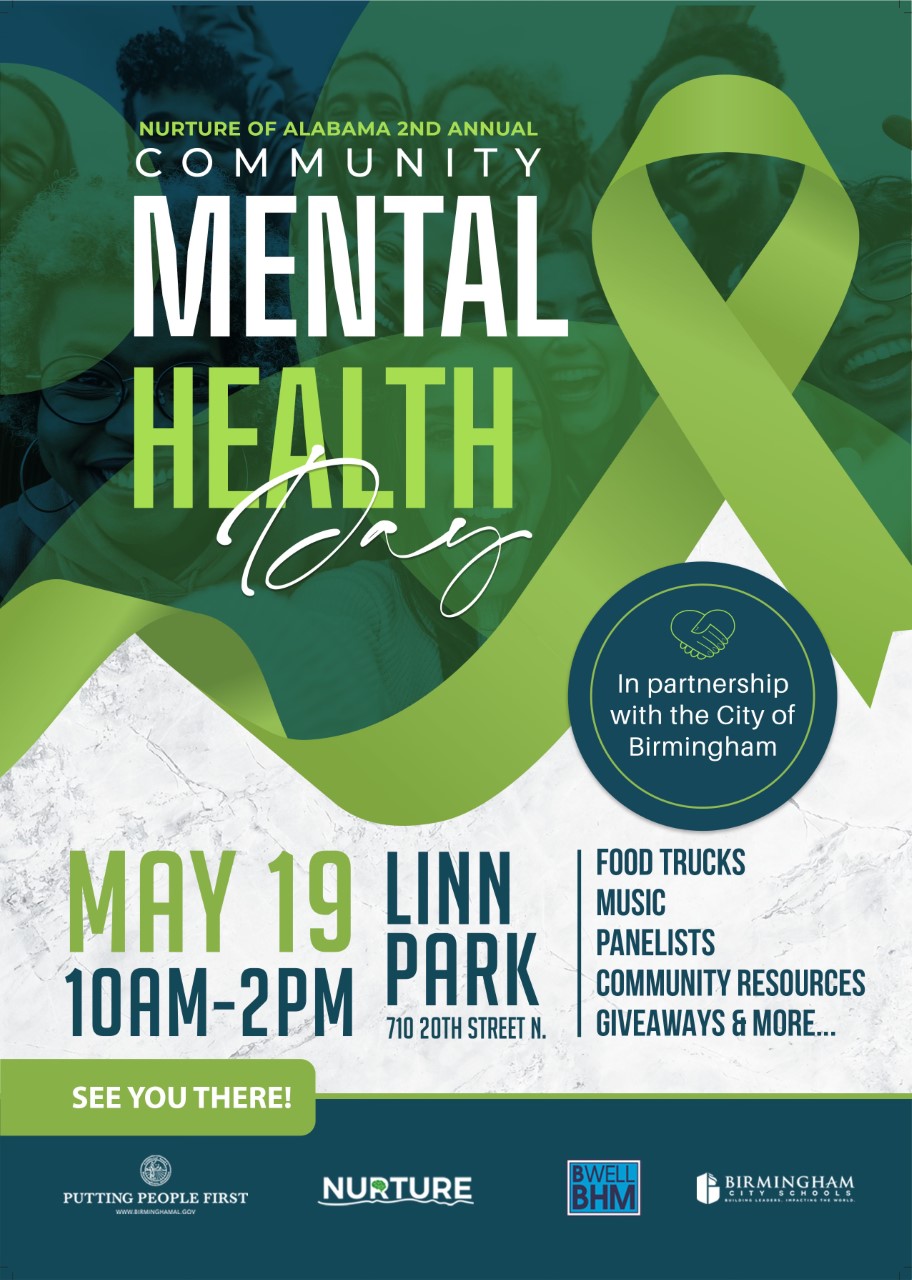
The City of Birmingham 2nd Annual Mental Health Day

By The PHAME-US Campaign

Join the PHAME-US.com and Wilkinson Wellness Lab team at this community event sponsored by Nuture, LLC, the City of Birmingham, AL and Birmingham City Schools. The event is free and open to the public.

Nurture of Alabama believes Birmingham can thrive, especially if communities address the mental health crisis experienced in our neighborhoods. Through the event Friday, May 19th, Nurture’s goals are to: 1) remove the stigma of mental health support, 2) improve mental health services accessibility, and 3) provide community education on mental health & wellness.

The event will have chair massages, a licensed professional counselor providing depression screenings, speakers,  free resources, giveaways, local food trucks,  yoga sessions, line dancing, blood pressure checks and more. So come out, have a good time, and let’s engage in mental wellness!

Stand up more and improve your health!

By Dr. Larrell L. Wilkinson | PHAME-US Campaign

What’s up? Are you? Yes, we are starting the post with a little humor in hopes that you will STAND UP! A study from a group of scientists at the University of Pittsburgh showed that on average, a person burned 8 more calories standing versus sitting at work (Creasy, Rogers, Byard, Kowalsky, & Jakicic, 2016). This may not sound like a lot, but if standing half the time during an 8 hour workday, after one week a person will have burned (used) 160 calories, about the standard serving size of Oreo cookies or Lay’s Classic Potato Chips. Again, this may not sound like a lot, but every little bit helps, Right?

Calories are how we measure energy and describes the energy we get from eating food and drinking. Calories don’t measure weight or length. Instead, we burn (use) calories when we exercise, walk, and perform regular movements throughout the day. Another way to burn calories is to simply, STAND. Also, there are other benefits to standing more during the day! Experts from the the Centers for Disease Control and Prevention (CDC) (Chosewood & Franklin, 2012) found that using sit-stand workstations did the following:

  • Standing more while at work decreases the amount of time spent in sedentary work
  • Standing more helps relieve pressure on the lower back, buttocks and legs, and may help reduce compression of the spine arising from long periods of sitting
  • Standing more may improve energy levels
  • Standing more frequently may improve cognition
  • Standing may increase circulation and lead to better blood flow to the brain and other organs
  • Standing more burns more calories than sitting
  • Standing more may assist with energy balance and aid in weight management
  • Standing more may improve bone density over time
  • Standing more may promote better sleep

So what about you? Are you standing more? Are you willing to TAKE A STAND and STAND UP? How will you stand more during the day? I can hear Ludacris’s song playing in my head…”When I Move, You Move.” So just LIKE THAT, let’s stand up and move together. Share your story about standing or the different ways you move here in the comments section and/or share with us on Facebook, Instagram, and Twitter.

References
Chosewood, L.C. & Franklin, C.C. (2012, December 5). NIOSH takes a stand. NIOSH Science Blog. https://blogs.cdc.gov/niosh-science-blog/2012/12/05/sit-stand/.

Creasy, S. A., Rogers, R. J., Byard, T. D., Kowalsky, R. J., & Jakicic, J. M. (2016). Energy Expenditure During Acute Periods of Sitting, Standing, and Walking. Journal of physical activity & health13(6), 573–578. https://doi.org/10.1123/jpah.2015-0419

Damar Hamlin and the Injury Seen Around the Nation

By Terrie Johnson | UAB Community Health & Human Services Intern

Figure 1 Photo Credit: Damar Hamlin Instagram Account @d.ham3 (2023).

Damar Hamlin is a name that might not have been known to many before January 02, 2023. However, now, Hamlin’s name is associated with one of the biggest news stories of 2023 when the nation waited on a health update and prayed for a positive outcome given his health condition. According to Devon Markham of News Nation, Damar Hamlin of the Buffalo Bills collapsed on the field mid-game after a defensive tackle. Following the play, Hamlin lost consciousness and received CPR from medical personnel for nine minutes. Most notably, Journalist Devon Markham shares assistant athletic trainer Denny Kellington used a defibrillator during the process and successfully resuscitated Hamlin as he lay lifeless on the field. He was immediately put into an ambulance and taken to a local hospital for treatment.

For days afterwards, fans held vigils waiting for updates. Hamlin transitioned from relying on a breathing tube to 100% breathing on his own and showing significant neurological recovery. He also began speaking and acknowledging teammates, family, and friends. Hamlin was eventually released from the hospital in Cincinnati, OH and transported to his home in Buffalo, NY.

As many were relieved to hear of Mr. Hamlin’s progress, the circumstances of his history raised questions about the severity of hits taken by NFL players. A review of history shows there have been numerous players to experience similar life-threatening injuries. Markham recorded the experience of Pittsburgh Steelers linebacker Ryan Shazier in December of 2017, when he suffered a spinal contusion that left him temporarily paralyzed. In December of 2011, Chicago Bears wide receiver Johnny Knox took a major hit that ended his career. Also, September 2007, Buffalo Bills tight end Kevin Everett was temporarily paralyzed after a hit which also ended his career.

Conversations have taken place about the disability pay received by players. Several people feel more of their contract should be paid out if they experience a life-threatening encounter. Fans may empathize with the players’ expending health and money, far exceeding the contributions made by the league to the players. As such, it is important for the public to advocate for change. NFL policies and perhaps federal legislations may be necessary to hold the NFL more responsible for the health problems of the current and former players. Specifically, the government should introduce a health policy to the NFL that regulates their assessment and treatment of player injuries. Also, part of the millions made by the league should be used to advocate for a health fund used for players with a diversity of NFL related injuries.

Furthermore, steps should be taken to reduce the power the league has over medical professionals, determinations, and overall outcomes. While fans enjoy the fun and excitement players provide, they must also fight to protect their favorite players from various health implications and unfair outcomes. Lastly, fans of the league can flood the #NFL on all social media platforms to express their grievances, concerns, and suggestions. This would increase awareness that the public has expectations that should be addressed along with the players.

References

Hamlin, Damar. (2023). Damar Hamlin 3 on Instagram “GAMETIME @buffalobills

LFG!!!!!!”. Instagram. https://www.instagram.com/d.ham3/?hl=en

Markham, Devan. (2023). The most notable life-threatening injuries in the NFL. News Nation. https://www.newsnationnow.com/us-news/sports/nfl-notable-life-threatening-injuries/

City of Birmingham and Birmingham City Schools working to improve child reading ability

By Angela Wilson | UAB Community Health & Human Services Intern

Photo by RODNAE Productions on Pexels.com

Page pals is a reading initiative created in a partnership between the City of Birmingham and Birmingham City Schools (BCS) with the purpose of improving student’s reading ability, specifically third graders. This initiative is in response to the Alabama Literacy Act, a law that when fully implemented, will prevent a third grade student who is not reading on grade level from moving up to the fourth grade, essentially being “held back” in third grade. Although parents and students will have the ability to go through a remediation process to improve student reading ability, the law is of great concern as only 56% of 3rd grade students in Birmingham City Schools are effectively achieving grade level reading as measured by the 2021 State of Alabama Comprehensive Assessment Program (ACAP).

The City of Birmingham is supporting BCS on-going efforts to improve student reading ability by asking members from the local community, non-profit groups, and corporations to volunteer some of their time to read with the BCS students. Reading to children improves their opportunity to hear others read outside of their normal classroom setting. These efforts have proven to be very beneficial to the students and may boost their interest and proficiency in reading.

Are you interested in volunteering? Page Pals volunteers go into one of the BCS elementary schools during the students’ library times, spending about thirty minutes of reading time with the students. Volunteers may choose from a list of schools, dates, and times that work best with their schedule. During their selected time, volunteers will read a book to the students that follows a curriculum created by BCS to help them build the background knowledge in science and social studies and to better prepare them for their standardized testing that occurs in April. Volunteers are encouraged to engage with the students by asking them questions periodically, reiterating comprehension and understanding about the book being read, and help grow their love for reading; thereby making a strong connection impact so that they perform better on their Alabama Comprehensive Assessment.

Our local children need our help to ensure their future remains bright, so let’s help to light their path to a brighter future. Sign up to become a Page Pal volunteer. It is easy and free! Simply visit https://www.signupgenius.com/go/springpagepals#/ and select your school choice, date and time. Now you’re all set!  If you ‘d like more information about the Page Pals program, you can follow this link at https://www.bhamyouthfirst.org/page-pals/.

Acknowledgement: PHAME-US.com would like to thank you to Mr. Marquise Hollingsworth for your time in support of this blogpost.

Gardening Is My Mental Health Therapy

By Reginia Dodson | UAB Community Health and Human Services Intern

Photo by Alexander Grey on Pexels.com

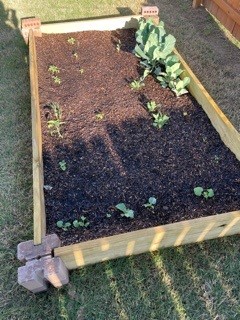
I planted a vegetable garden. At the time, I had no idea that it would prove to be therapeutic for me. It is only a small, raised bed garden that I somehow have planted to an overflowing capacity. This makes for a battle to keep my squash, zucchini, and eggplant from taking over the entire little box. Along with these aggressive space invaders, I planted tomatoes, okra, and cabbage as well. I even think that it is quite possible that I created an entirely new vegetable due to the overcrowding and plants mixing together. OK, I am joking, but still…there is joy in planting this garden.

When I began gardening, I did not realize that it would become my place and time to disengage from all the stressors in my life. Each day as I tackle the invaders growing and the natural intruders, I find myself relaxing and calming my anxieties. It is something to feel the cool soil as I dig around with my bare hands. I feel a connection with nature each day that I am in my garden.

I am not the only one who feels this way. Rooftop gardening, yes…on the roof, has been associated with better personal development and suggested enhanced physical and emotional well-being, sense of purpose, social inclusion, interpersonal relations, and quality of life (Triguero-Mas et al, 2020). What happens on the roof, happens on ground as well. I am always in my garden early in the morning before the world around me awakens. It is so serene and peaceful. I find even my breathing is more relaxed and the time helps to prepare me for the stressors I will encounter during the day. Furthermore, there are times that my family and friends get to enjoy the garden as we come together, supporting my happy pursuits with some good work and fun. Not to mention, good food afterwards.

It is also delightful to find what has grown seemingly overnight. I see it as a life metaphor, patiently waiting to see the work of my hands and nature come together to bring life into the world. I laugh at times because I never saw myself gardening. Especially, using my bare hands while doing so…oh the dirt and grime. So what about you? Do you have a garden? Are you good with plants? Do you find peace and delight working with nature? Leave your comments below.

References

Suggested citation for this article: Triguero-Mas M, Anguelovski I, Cirac-Claveras J, Connolly J, Vazquez A, Urgell-Plaza F, et al. Quality of Life Benefits of Urban Rooftop Gardening for People With Intellectual Disabilities or Mental Health Disorders. Prev Chronic Dis 2020;17:200087. DOI: http://dx.doi.org/10.5888/pcd17.200087external icon

Journaling Can Benefit Your Mental Health

By Tan Walker | UAB Community Health & Human Services Intern

Photo by Negative Space on Pexels.com

When you think of “journaling”, it is easy to picture a young girl locked away in her room writing about her high-school crush in a diary with a lock on it. Although this is an easy perception to have, it likely matches with the overall consensus for adults: journaling is for young people still trying to figure out their purpose in life and gossiping about the latest high school drama.

Believe it or not, many adults own a journal of some sort. Whether it’s a diary, a 3 subject notebook, notes taken on a smartphone, or just a plain sheet of paper and a pen: journaling has no required format. Journaling only requires that you share your thoughts openly. Effective journaling can help you meet your goals or improve your quality of life (Ackerman, 2022; Purcell, 2006). Although personal goals vary from person to person, they are almost always positive and journaling can be a process that support goal accomplishment.

Effective journaling can help you clear your head, reduce anxiety, and it can also help you connect your thoughts, feelings, emotions, and behaviors. But how exactly does dumping words on a page have an impact on your mental health?

Well, journaling has been proven to help people struggling with a mental illness or people who want to improve their mental health (Ackerman, 2022; Purcell, 2006). More specifically, effective journaling has been found to:

Boost your mood
Enhance your sense of well-being
Reduce symptoms of depression
Reduce symptoms of trauma and PTSD
Improve your work memory

Here are some following tips to ensure your journaling is effective:

Write in a space free of distractions
Journal at least once a day
Keep your journal private -“my eyes only”
Be in control of the topic and structure of your writing

Try journaling today! The process may take some time, but the benefits can support your health and quality of life. It can be fun! Whether you choose to write about how your day went or your current thoughts and emotions, the fun part is that you get to choose what your narrative will be!

Courtney E. Ackerman, M. A. (2022, September 8). 83 benefits of journaling for depression, anxiety, and stress. PositivePsychology.com. Retrieved September 8, 2022, from https://positivepsychology.com/benefits-of-journaling/

Purcell, M. (2006). The Health Benefits of Journaling. Psych Central. Retrieved on October 10, 2022, from http://psychcentral.com/lib/the-health-benefits-of-journaling/000721