By Aamya Wilson | UAB Community Health & Human Services Intern
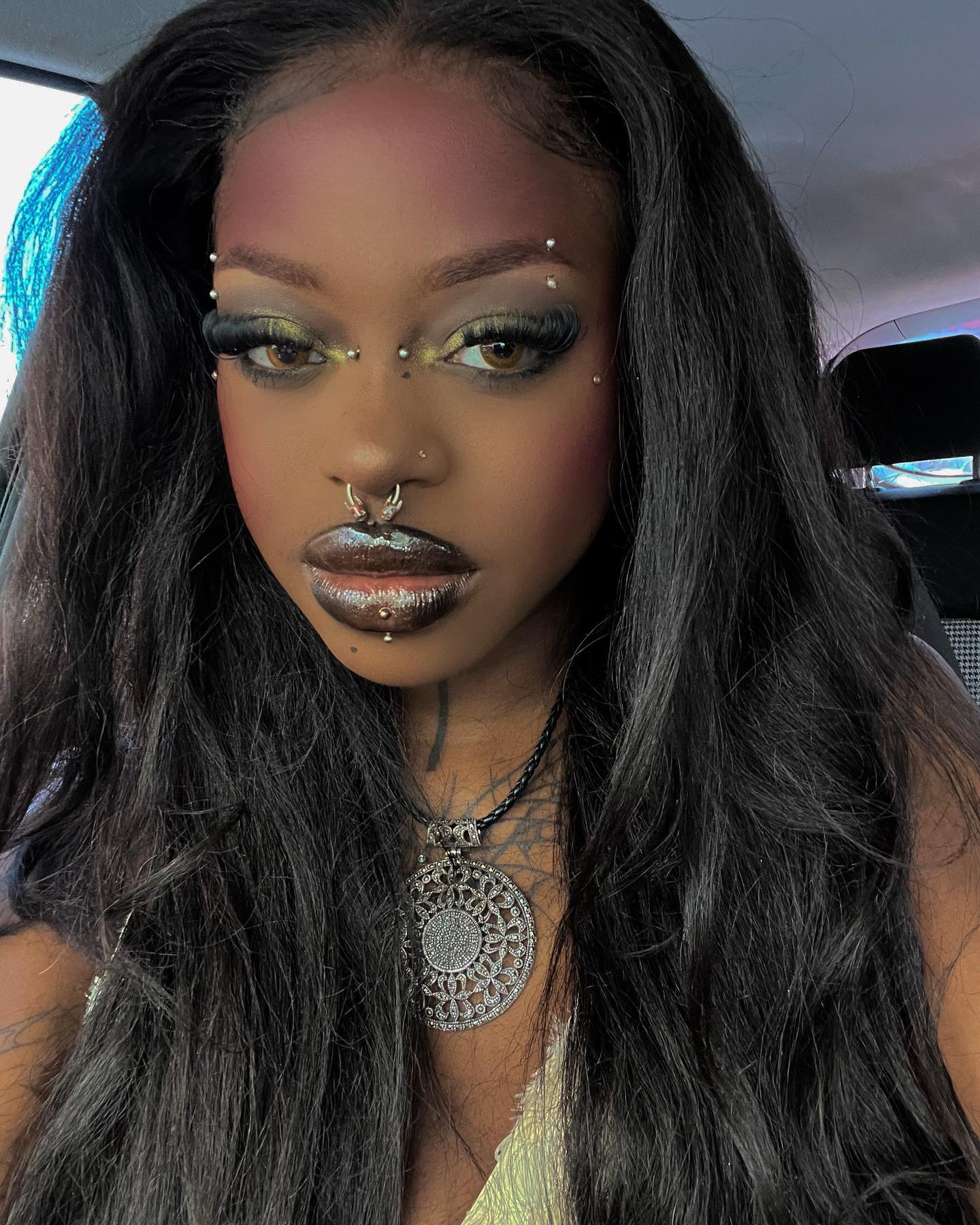
Our previous life experiences may influence the way we perceive the event we encounter daily. When we encounter past traumas, the effects can linger for a long time. Thusly, when aspiring musician Baby Storme experienced a process of protocols to prevent her from flash mobbing (i.e., shooting her video) in a Target, she may have and continue to view the incident through a lens filtered with previous racially biased experiences. Given the Target encounter shared over social media, Baby Storme sparked a firestorm of responses on the encounter with comments supporting her views that the incident is clouded in racism and others exclaiming that Target has a right to implement protocols preventing flash mobs and other activities on/in their premises.
Racism, according to the CDC, can be defined as a system that assigns value and determines opportunity based on the way people look or the color of their skin, which can unfairly advantage and disadvantage those within our societies (CDC, 2023). Some social media commenters claimed that Baby Storme played the “race card” and suggested “racism” was at hand in order to exploit the particular situation for gaining sympathy or advantage. Was the popular TikTok platform African American alternative pop music star using the history of racism in America as way to seek benefit or raise a level of support for her actions? Maybe. When she made allegations against Target for being racist by not letting her and her dancers perform within their establishment, she may have felt victimized due to her race as months earlier the artist experienced an incident where she feels she was racially profiled at a local Citibank branch when performing a transaction with a $30,000.00 check. According to her self-report on social media, the workers within that bank immediately confiscated her check and called the police on her during the process. Her emotional experience shared on social media offers insight to how the negative event made her feel. Taken into consideration, it may not be such a far reach to see how Baby Storme may have perceived the Target incident have been biased by race.
Let’s continue to be reasonable. Target is a public space for consumers and has a duty to keep their store safe and friendly for their customers. Target as a corporation is definitely within their rights to authorize their employees to implement protocols and practices to preserve store safety and be accessible for all customers. Thusly, it is OK for them to limit the actions of flash mobs, limiting public disturbances, no matter what time of night the flash mob occurs (i.e., near closing hours).
As social media has become the new outlet to express many negative encounters and discriminatory actions, we may do so without fostering understanding. True, a soundbite is not enough time to offer context and comprehensive truth. Still, if people have an aim for sharing experiences to foster understanding, then processes toward strengthening relationships among people from different backgrounds will provider greater solidarity within society. Because, racism and discrimination to continue to occur within American society. Perhaps with social media, people may believe these negative experiences happen more often than they do. That is why it is also important to remember the following:
- Work to not dwell on negative or dark thoughts (i.e., I will not let this negative situation define me…)
- Stop negative self-talk (i.e., I will work to find the humanity and beauty; I hope my offenders will be able to find the humanity and beauty of all people, etc.)
- Reframe negative situations (i.e., Racial bias is real, but I am determined for people to know my character, value my culture,…)
- Establish healthy patterns for yourself (i.e., engage in exercise, healthy eating, prayer, meditation, supportive relationships, etc.)
- Embrace positive moments (i.e., reflect on the positive moments in your life)
- of all people I hope that those offending me will be able to see the beauty of all people
What are your thoughts? How do you stay positive? How do you offer to others your experiences to support understanding among diverse people? Please share in the comments below and on Facebook, here.
Resources
CDC. (2023, August). Racism and health. Centers for Disease Control and Prevention. https://www.cdc.gov/minorityhealth/racism-disparities/index.html
 PHAME-US