Category: Solidarity (Commonality, Humanity)

Previous experiences may bias our perceptions, even as racial bias does exist

By Aamya Wilson | UAB Community Health & Human Services Intern
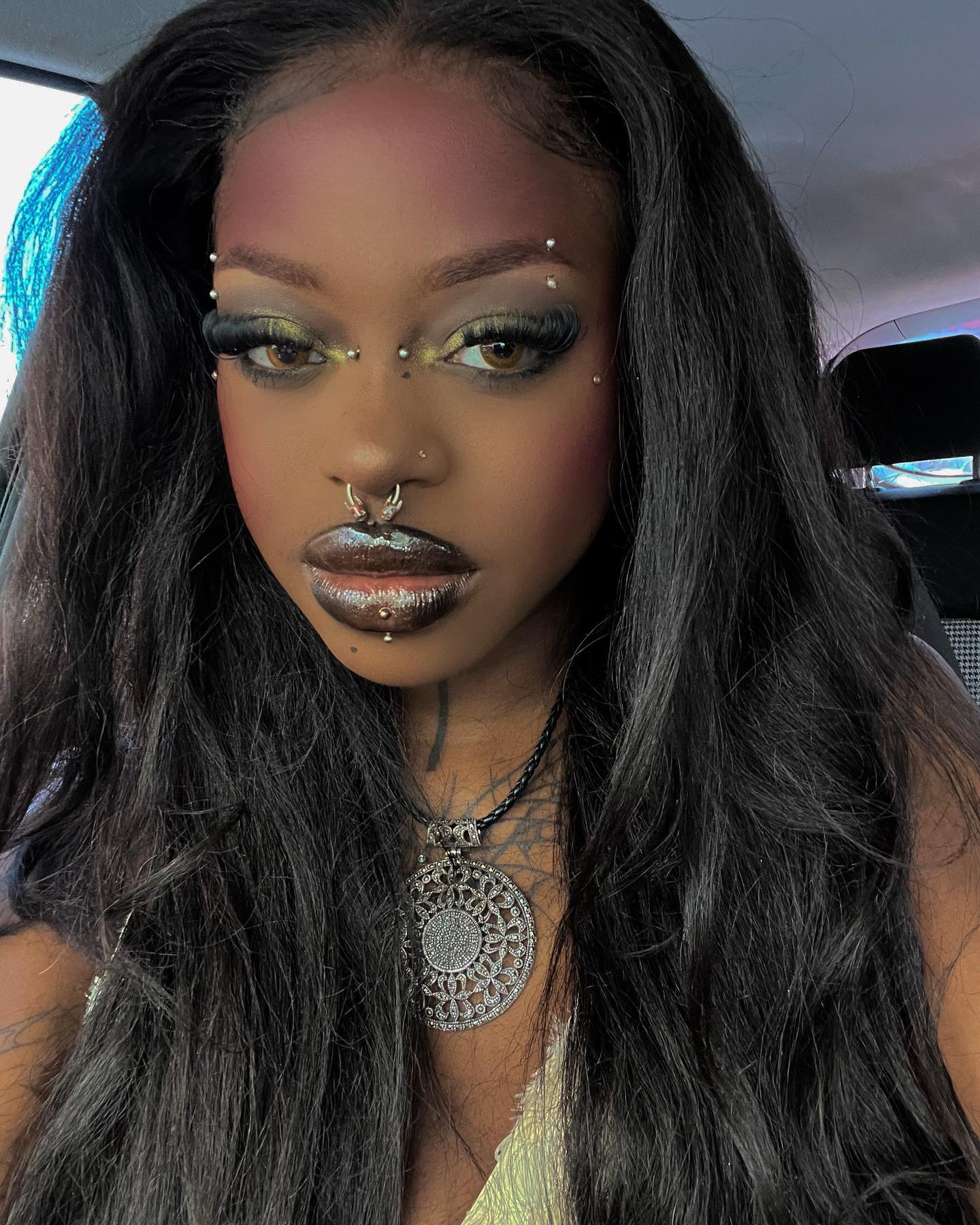
Our previous life experiences may influence the way we perceive the event we encounter daily. When we encounter past traumas, the effects can linger for a long time. Thusly, when aspiring musician Baby Storme experienced a process of protocols to prevent her from flash mobbing (i.e., shooting her video) in a Target, she may have and continue to view the incident through a lens filtered with previous racially biased experiences. Given the Target encounter shared over social media, Baby Storme sparked a firestorm of responses on the encounter with comments supporting her views that the incident is clouded in racism and others exclaiming that Target has a right to implement protocols preventing flash mobs and other activities on/in their premises.

Racism, according to the CDC, can be defined as a system that assigns value and determines opportunity based on the way people look or the color of their skin, which can unfairly advantage and disadvantage those within our societies (CDC, 2023). Some social media commenters claimed that Baby Storme played the “race card” and suggested “racism” was at hand in order to exploit the particular situation for gaining sympathy or advantage. Was the popular TikTok platform African American alternative pop music star using the history of racism in America as way to seek benefit or raise a level of support for her actions? Maybe. When she made allegations against Target for being racist by not letting her and her dancers perform within their establishment, she may have felt victimized due to her race as months earlier the artist experienced an incident where she feels she was racially profiled at a local Citibank branch when performing a transaction with a $30,000.00 check. According to her self-report on social media, the workers within that bank immediately confiscated her check and called the police on her during the process. Her emotional experience shared on social media offers insight to how the negative event made her feel. Taken into consideration, it may not be such a far reach to see how Baby Storme may have perceived the Target incident have been biased by race.

Let’s continue to be reasonable. Target is a public space for consumers and has a duty to keep their store safe and friendly for their customers. Target as a corporation is definitely within their rights to authorize their employees to implement protocols and practices to preserve store safety and be accessible for all customers. Thusly, it is OK for them to limit the actions of flash mobs, limiting public disturbances, no matter what time of night the flash mob occurs (i.e., near closing hours).

As social media has become the new outlet to express many negative encounters and discriminatory actions, we may do so without fostering understanding. True, a soundbite is not enough time to offer context and comprehensive truth. Still, if people have an aim for sharing experiences to foster understanding, then processes toward strengthening relationships among people from different backgrounds will provider greater solidarity within society. Because, racism and discrimination to continue to occur within American society. Perhaps with social media, people may believe these negative experiences happen more often than they do. That is why it is also important to remember the following:

  • Work to not dwell on negative or dark thoughts (i.e., I will not let this negative situation define me…)
  • Stop negative self-talk (i.e., I will work to find the humanity and beauty; I hope my offenders will be able to find the humanity and beauty of all people, etc.)
  • Reframe negative situations (i.e., Racial bias is real, but I am determined for people to know my character, value my culture,…)
  • Establish healthy patterns for yourself (i.e., engage in exercise, healthy eating, prayer, meditation, supportive relationships, etc.)
  • Embrace positive moments (i.e., reflect on the positive moments in your life)
  • of all people I hope that those offending me will be able to see the beauty of all people

What are your thoughts? How do you stay positive? How do you offer to others your experiences to support understanding among diverse people? Please share in the comments below and on Facebook, here.

Resources

CDC. (2023, August). Racism and health. Centers for Disease Control and Prevention. https://www.cdc.gov/minorityhealth/racism-disparities/index.html
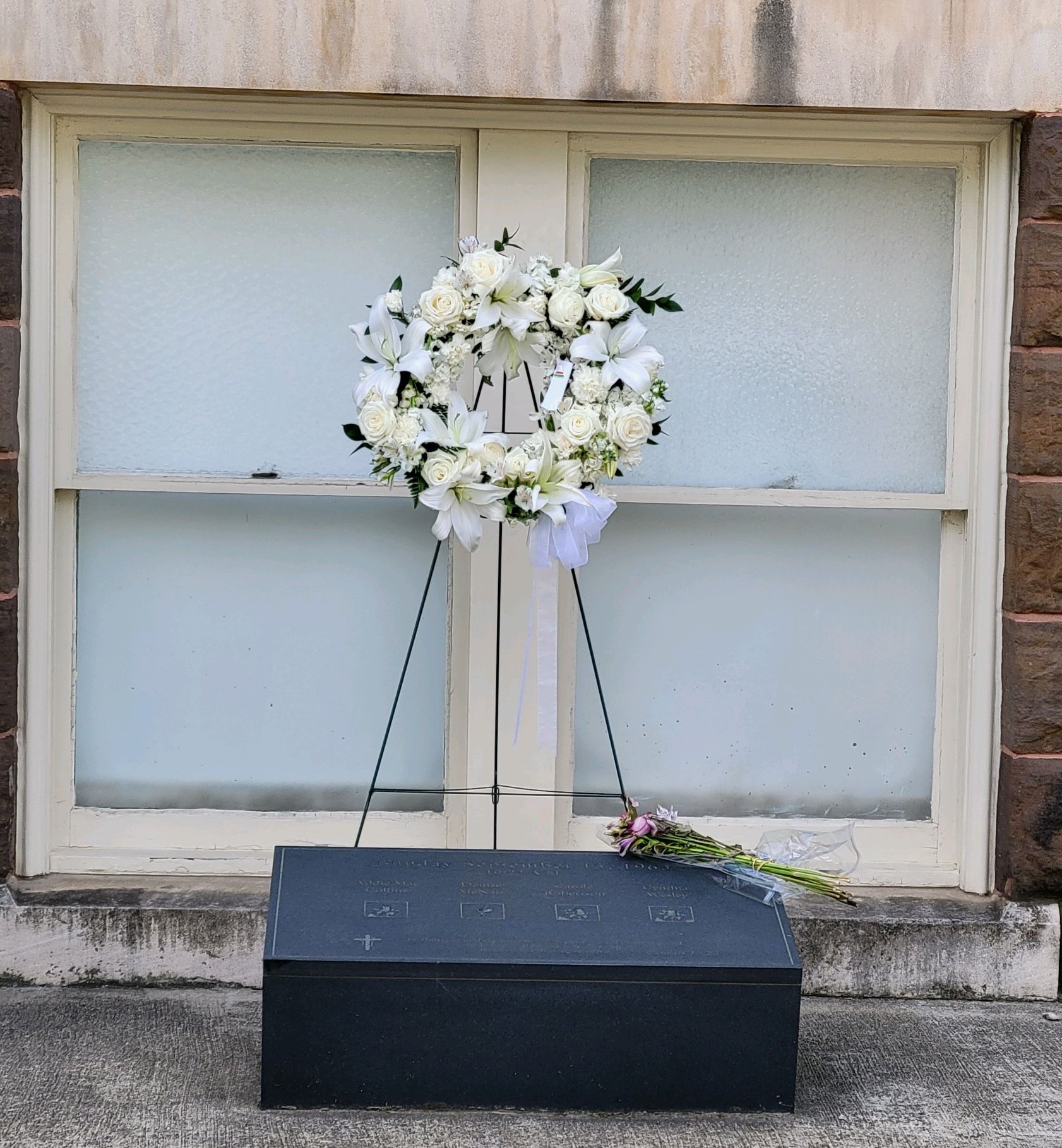
Reflecting on a tragic moment of civil rights history and feelings of yesterday

Larrell L. Wilkinson | PHAME-US

Photo of window at the 16th Street Baptist Church and memorial plaque honoring the memory of the four young girls killed by the KKK bombing of the the church on September 15, 1963.

I knew yesterday was going to hit me hard. During the early weeks of September in Birmingham, AL, the annual commemorations begin. This year marks 60 years since the tragic death of four little girls and the injuries of several others, during the turbulent days of the Civil Rights movement. The City of Birmingham honored the victims of the bombing of the 16th Street Baptist Church on September 15, 1963, during the week of remembrance.

Working in the Birmingham area, I often drive past the historic markers of the Civil Rights movement. I can see the A.G. Gaston Motel, the 16th Street Baptist Church, Kelly Ingram Park, the Birmingham Civil Rights Institute and drive to Montgomery, AL to the Equal Justice Initiative & National Memorial, Dexter Ave. Church, the Rosa Parks Museum, and sacred sites of the movement. This year, 60 years after that fateful day of losing Addie Mae Collins, Denise McNair, Carole Robertson, & Cynthia Wesley, I know that America has made progress towards racial conciliation. I see it daily at my job, during worship occasions at my church, in visiting my children’s school, walking my neighborhood and patronizing businesses in my community. Still, exercising faith for a future that overcomes the actions of hatred manifested by individuals and groups that want to further efforts to separate us in the U.S., by race, by class, by the faith we practice, by any means that furthers their hate filled mission, that faith must be strong and resilient.

The actions of 60 years ago may seem like history to some but are very relevant to communities of people who have additional concerns when we go for a jog, shop at our community stores, or worship in our churches. Our families trade text messages to remind each other to “be safe”, “travel in groups”, “don’t travel at night”, “don’t get off the phone until you get home”, “don’t get gas at night”, “don’t stop at any stores tonight, we’ll order it later”, etc. Perhaps some if you are reading this, you might say, these sayings sound like useful tips. In contrast, others reading these words understand that these aren’t just tips, but necessary actions of life preservation for people feeling maliciously targeted due to their culture. For many, events that happened 60 years ago doesn’t feel like history, it feels like yesterday. Still, these groups of people press forward in hopes that their girls and boys will experience a society where the actions of a hateful few are no longer. Their hope is in a loving God, with the direction to love Him and to also love your neighbor as yourself (New International Version, Matt. 22: 34 – 40). It is in experiencing this form of solidarity that we can share in faith, hope, and love; love being the greatest of these (New International Version, Cor. 13:13).

Hitting the Hot 100, checking STD stats, checking your STD status

Angela Wilson | UAB Community Health & Human Services Intern

Sexyy Red is the latest Hip-Hop sensation and cultural phenomenon.  She cemented herself as a mainstream artist with her break-out hit “Pound Town” and partnered up with Niki Minaj on the certified Gold hit entitled “Pound Town 2″, debuting at No. 66 on the Billboard Hot 100. Unfiltered, the rapper’s lyrics may be considered a bit “raunchy” for some listeners. Still, she has fans, many fans, amassing over 1.7 million followers on Instagram and is currently the opening act for mega-entertainer and rapper, Drake.  Often dawning pierced lips, eccentric hairstyles, and revealing clothes, Sexyy Red is a rising star in the rap and hip-hop genre. It appears many enjoy her message of sexual freedom, but some may also take issue with her messages, portrayal of Black women, or the way she discusses sexual experiences openly.

Sexy Red, whose real name is Janae Wherry, has been receiving tons of backlash lately after proclaiming herself “the raw dog queen” on Lil Yahty’s podcast. “Raw dog” is a saying that means “having unprotected sex.” She also revealed that she does not like condoms or latex and claimed that they make her private area smell. It did not take long for her comments to hit Facebook, Instagram, Twitter, and other forms of social media; with some disapproval and others claiming that she’s “keeping it real.”

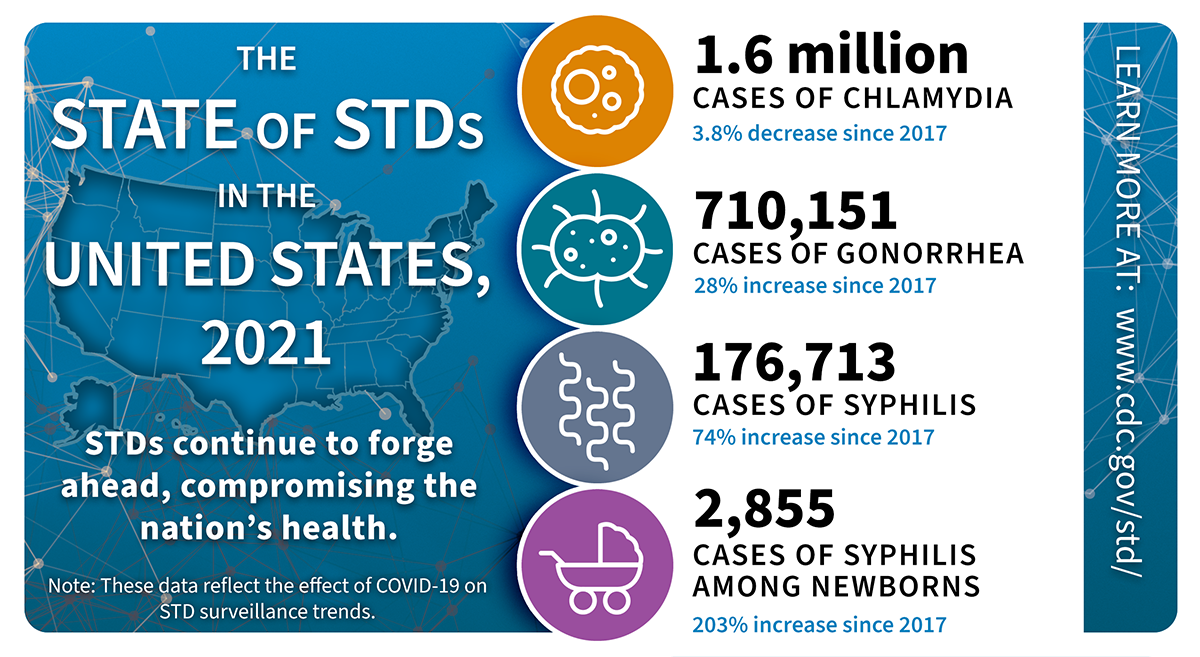
It is easy to understand the concerns about the some of the statements Sexy Red made in her interview. Still, it is important to raise awareness about some specific concerns if one chooses to engage in sexual activity. Check out the graphic from the Centers for Disease Control and Prevention (CDC) below regarding sexually transmitted diseases (STDs) in the United States.

Additionally, it is important to understand that consistent and correct use of latex condoms can drastically reduce the risk of gonorrhea, chlamydia, and trichomoniasis. Latex condoms can also reduce the risk of genital herpes, syphilis, and chancroid, working when a person’s infected area or site of potential exposure is protected (CDC, 2023). Check out the links with each sexually transmitted infection or disease (STI or STD) to learn the facts about each.

If someone has concerns about latex condoms, some condoms are made of other materials (i.e., polyurethane, polyisoprene, and nitrile) are great for people who have latex allergies or sensitivities. Still, these condoms may be slightly less effective at preventing STDs than condoms made from latex (Marfatia, Pandya, & Mehta, 2015).

If choosing to engage in sexual activities, health experts from the CDC and Planned Parenthood encourage individuals to consider the following tips:

For more tips and to learn more about protecting yourself during sexual activities, please check out the links above. Want to talk some more, check out our Facebook page here: @phame.us.impact.

References

Center for Disease Control and Prevention. (2023, September 5). U.S. STI Epidemic Showed No Signs of Slowing Down in 2021 – Cases Continued to Escalate. https://www.cdc.gov/nchhstp/newsroom/2023/STD-Surveillance-Report-2021-media-statement.html

Center for Disease Control and Prevention. (2023, September 5). How can I Protect Myself from HIV?. https://www.cdc.gov/hiv/basics/hiv-prevention/protect-yourself-during-sex.html

Marfatia YS, Pandya I, Mehta K. Condoms: past, present, and futureIndian J Sex Transm Dis AIDS. 2015;36(2):133–9. doi:10.4103/0253-7184.167135

Watching Violent Crime on the News – Does It Impact Your Health?

Angela R. Wilson | Intern UAB School of Education | CHHS

Photo by cottonbro studio on Pexels.com

We see it every day, it is on the local news, it is on social media, radio stations and even discussed on college campuses and work sites.  Violent Crime seems to be trending in an upward trajectory across the country. Mass shootings, murders, rapes, assaults, and robberies; it is paramount that we remain vigilant of our surroundings to try to stay safe. With violent crimes increasing since the pandemic, many people are afraid to do simple things like go shopping, go to the movies, or even sit on their front porches.  Obviously, crime is affecting how people work in their daily lives, but does it also impact your health?  The short answer is Yes.

According to the Center for Disease Control and Prevention, violent crime not only contributes to physical injuries, but also can manifest other mental health diseases such as anxiety, post-traumatic stress disorder, (PTSD), feelings of distress, and depression. Additionally, there is a strong correlation between violent crime and the development of diseases like obesity, diabetes, high blood pressure, asthma, gastrointestinal disorders, neurological and musculoskeletal disease, and lung disease. These conditions can have significant detrimental consequences on the health and well-being of people, families, and communities.   People who see violence regularly may also experience loneliness and isolation and may resort to binge drinking and indulging in tobacco products. They are less likely to participate in healthy behaviors, such as bicycling, walking, using parks, and other recreational spaces and may not invest in proper nutrition or take prescribed medication.

As many local, state, federal agencies and politicians’ network to find viable strategies to quell some of the violence, it is extremely important to employ coping mechanisms to protect your physical and emotional health.  Identifying support systems, resources, self-care, deep breathing, meditation and participating in faith-based activities are a few strategies that may be beneficial. Also, while we need to be aware of things that happen in our communities that may be violent in nature, we must be careful not to become overly consumed. Taking the necessary steps to protect your physical, emotional, and mental health, are paramount, even if that means not watching the news sometimes.

References

The Center for Disease Control and Prevention. (2022). Community Violence Prevention. https://www.cdc.gov.

Vinney, C. (2022). What is the Impact of Violent Media on Mental Health? https://www.verywellmind.com.

The History Behind Carrie A. Tuggle Elementary School

Angela Wilson | Intern UAB School of Education | CHHS

Photo: Instagram | #carrieatuggleelementaryschool

The History Behind Tuggle Elementary School

Tuggle Elementary School is located in Birmingham, Alabama and has approximately 472 students from Pre-Kindergarten to fifth grade. Although it has been affiliated with The Birmingham City School System since 1926, many natives of Birmingham are oblivious to the remarkable history embedded in its name.

Tuggle Elementary School is named after Carrie A. Tuggle, a fierce innovator whose trailblazing efforts are still visible today.  She was born in 1858 in Eufaula, Alabama and subsequently married John Tuggle and had four children.  The couple eventually moved to Birmingham in search of better job opportunities.

Mrs. Tuggle excelled in education, social work, and religion, and found her calling when she began working with delinquent boys as a welfare officer.  After speaking on behalf of boys as young as ten years old, she was inspired to provide housing accommodations for orphaned black children.  She initially took them into her home, until she was able to open a single-building school in September 1903. Named The Tuggle Institute this facility allowed black, destitute orphans and juveniles to receive an education. She also used her courtroom experience to help create The Jefferson County Juvenile and Domestic Court. 

The Tuggle Institute garnered praise from the citizens of Birmingham and was noted for its substantial contributions to the advancement of black people.  Some outstanding alumni who credit Mrs. Tuggle for her influence include Dr. A. G. Gaston, John T. Wheatley, and Erskine Hawkins, to name a few. The Tuggle Institute became affiliated with the Birmingham City Public Schools in 1926. In 1936, The Board of Education named it the Carrie A. Tuggle Elementary School.

Carrie A. Tuggle died in November 1954 and is buried on the school’s ground. There is memorial plaque with these words inscribed: “Carrie A. Tuggle, a scholar, educator, and servant of mankind.” To learn more about Mrs. Tuggle and Carrie A. Tuggle Elementary School, check out https://alafricanamerican.com/beyond-the-book-honoree-archives/beyond-the-book-carrie-tuggle/

References:

Alabama Women’s Hall of Fame. Carrie A. Tuggle. http://www.awhf.org.

Beyond the book – Carrie A. Tuggle – Alabama African American history. Alabama African American History – sponsored by AT&T. (2022, January 14). https://alafricanamerican.com/beyond-the-book-honoree-archives/beyond-the-book-carrie-tuggle/

Reflecting on purpose when choosing close friends

By Larrell L. Wilkinson | PHAME-US Campaign

Photo by Mauru00edcio Mascaro on Pexels.com

It has been said, “birds of a feather flock together.” I heard the wise saying growing up, especially in my teen years. I would see the saying on inspirational posters or hear it from family members and/or church leaders…particularly when being encouraged to stay away from individuals that may have been troublemakers. As the admonishment would go, “avoid hanging out with (insert first name) person, else you may end up in trouble like them. Remember, “birds of a feather flock together.” I know it seems so cliché, but coming back around to this quote many years later, I will acknowledge that the friends we have around us, particularly our closest friends, will more than likely influence the direction of our life. Our closest friends are likely a significant ingredient in our life’s recipe for successfully accomplishing our goals. So then questions arise like, “what goals do I have for my life” and “how should I determine who I let into my closest friend circle?

I recently had the opportunity to reflect on the process of choosing people in support of living out purpose while listening to the Bible. In Acts of the Apostles 1:12-21 (NLT), the apostles are meeting to chose another person to become a witness with them to the resurrection of Jesus. The apostles were looking for a person who would be trusted with leading in the Gospel and joining them in the innermost circle of the work to be done. Much like friends with different life experiences, the apostle’s relationships were lets say,…very human. And when it came to choosing from among people in their network, Acts of the Apostles 1:24 suggests that the men “prayed” about the hearts of the men to join them in the inner workings of the ministry. Hmmm, praying about who I should let into my closest network of people to join me in my most important works of life. Outside of my wife, I hadn’t much thought of that.

When it comes to making friends, we are told to associate higher (associating with people in a higher social status than your current position), choose friends with similar values and/or goals to your own, or choose friends that balance your strengths/weaknesses. All of this is good advice. Additionally, let’s acknowledge that in order for us and our flock to soar towards our purpose in life, it doesn’t hurt to pray about and for the people coming into or already in our lives. Perhaps we should consider talking through (vetting) and praying with trusted people already in our lives about individuals who may join our circle? Sound too intrusive? Sound too clique’ish? What if being intentional about the type of individuals joining us on our life’s journey and mission was a key ingredient to our success? I get it. Honestly, it feels a little uncomfortable to type. However, as I travel along the lifecourse, I’ve had many good and not so good experiences.

The best contributors to my continued evolution in life have been the ones that I know God has blessed me with encountering. God has placed a great variety of people from many different backgrounds and experiences in my life to help me along the way. Sometimes I prayed and the person came, other times I met the person through a program, in school, through work, etc. and later recognized that God sent them. Overall, we seldom go wrong when we have around us, people who are positive individuals, supportive of overall health, seeking to live out a positive purpose, and willing to work as a support with you and others toward common positive goals. We’ll show love to many people and will likely have a network of people around us. There are a lot of people out there from which to choose our closest friends, so in deciding, let’s choose to be intentional and consider the power of prayer as well. It doesn’t hurt and furthermore, the intentionality and prayer may be the difference in making decisions that have lasting benefit to our lives.

City of Birmingham and Birmingham City Schools working to improve child reading ability

By Angela Wilson | UAB Community Health & Human Services Intern

Photo by RODNAE Productions on Pexels.com

Page pals is a reading initiative created in a partnership between the City of Birmingham and Birmingham City Schools (BCS) with the purpose of improving student’s reading ability, specifically third graders. This initiative is in response to the Alabama Literacy Act, a law that when fully implemented, will prevent a third grade student who is not reading on grade level from moving up to the fourth grade, essentially being “held back” in third grade. Although parents and students will have the ability to go through a remediation process to improve student reading ability, the law is of great concern as only 56% of 3rd grade students in Birmingham City Schools are effectively achieving grade level reading as measured by the 2021 State of Alabama Comprehensive Assessment Program (ACAP).

The City of Birmingham is supporting BCS on-going efforts to improve student reading ability by asking members from the local community, non-profit groups, and corporations to volunteer some of their time to read with the BCS students. Reading to children improves their opportunity to hear others read outside of their normal classroom setting. These efforts have proven to be very beneficial to the students and may boost their interest and proficiency in reading.

Are you interested in volunteering? Page Pals volunteers go into one of the BCS elementary schools during the students’ library times, spending about thirty minutes of reading time with the students. Volunteers may choose from a list of schools, dates, and times that work best with their schedule. During their selected time, volunteers will read a book to the students that follows a curriculum created by BCS to help them build the background knowledge in science and social studies and to better prepare them for their standardized testing that occurs in April. Volunteers are encouraged to engage with the students by asking them questions periodically, reiterating comprehension and understanding about the book being read, and help grow their love for reading; thereby making a strong connection impact so that they perform better on their Alabama Comprehensive Assessment.

Our local children need our help to ensure their future remains bright, so let’s help to light their path to a brighter future. Sign up to become a Page Pal volunteer. It is easy and free! Simply visit https://www.signupgenius.com/go/springpagepals#/ and select your school choice, date and time. Now you’re all set!  If you ‘d like more information about the Page Pals program, you can follow this link at https://www.bhamyouthfirst.org/page-pals/.

Acknowledgement: PHAME-US.com would like to thank you to Mr. Marquise Hollingsworth for your time in support of this blogpost.

Brittney Griner and Russian Prison Release

By Terrie Johnson | UAB Community Health & Human Services Intern

Credit: Britney Griner Instagram

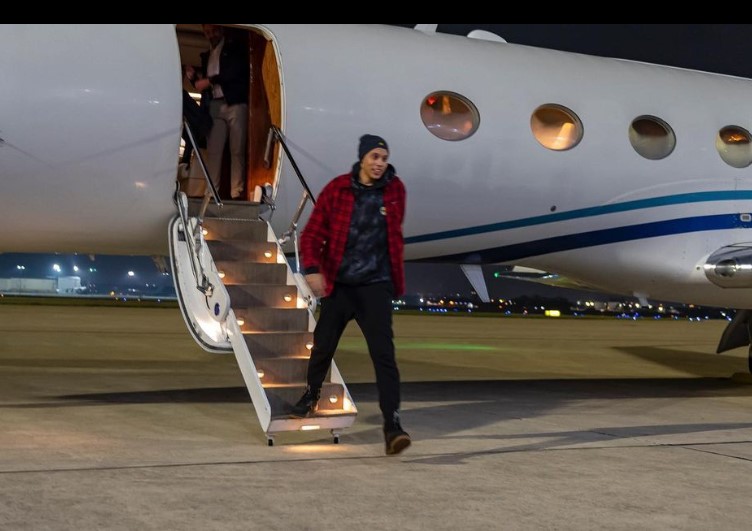
The release of Brittney Griner from Russian imprisonment garnered a great deal of attention from around the nation. Brittney Griner is a two-time Olympic gold medalist and WNBA athlete that was detained at a Russian airport in 2022. Russian officials accused Griner of being in possession of CBD cartridges which is illegal in the country. However, 10 months after being sentenced to nine years in prison, she is back on America soil thanks to a highly controversial prison swap. As such, her homecoming is both joy-filled and packed with the reality of possible lifelong mental health implications.   

CNN Reporters Salahieh and Yan shared Griner was held in an imprisonment camp for women that provided beds insufficient for a small child. Standing six feet nine inches tall, this was one component of her captivity that prevented her from getting sleep. Additionally, the camp forced women to sew as a form of intensive labor. However, Griner was too tall to sit at the tables and her hands were too large for the sewing machines. As a last resort, she was assigned to carrying the fabric used to create various garments. Most notably, Griner was forced to cut her signature locs which nearly reached her waistline. This was considered necessary since Griner could not dry her hair in the frigid temperatures of Russia and constantly battled the flu and pneumonia from exposed, wet hair. Along with these inconveniences, there were numerous aspects of the experience that would cause Griner to need the professional help of a therapist to strengthen her mental state.

As such, it is highly recommended that Griner and her loved ones that have been a part of the journey receive psychological counseling to address any emergent issues. Acknowledging being imprisoned in another country, serving as a political pawn for world leaders, being deemed unworthy for a prisoner swap, and being separated from family; it is imperative that Griner gets the supports she may need. Griner and her family may need to unpack the difficulties of being detained in another country, serving in a penal colony, and dealing with the anxiety of release. This can be achieved in individual counseling, group counseling, and trauma therapy. All parties can also join online support groups, perform community service, and connect with or advocate for Americans still in captivity.

Have you been impacted by a traumatic event? Was your family also impacted? Be encouraged and seek support for yourself and your family. For resources in your community, use the FindTreatment.gov to find the closest treatment location.

References

Kudryavtsev, Kirill. (2022). How the WNBA could have saved Brittney Griner. BAZAAR. https://www.harpersbazaar.com/culture/politics/a40837022/wnba-could-have-saved-brittney-griner-pay-discrepancy-russia/

Salahieh, N. & Yan, H. (2022). Brittney Griner is back in the US and dunking again after almost 10 months detained in Russia. CNN. https://www.cnn.com/2022/12/12/us/brittney-griner-us-arrival-monday/index.html

Centers for Disease Control & Prevention (CDC). (2023). Helping Patients Cope with a Traumatic Event. https://www.cdc.gov/masstrauma/factsheets/professionals/coping_professional.pdf

Gardening Is My Mental Health Therapy

By Reginia Dodson | UAB Community Health and Human Services Intern

Photo by Alexander Grey on Pexels.com

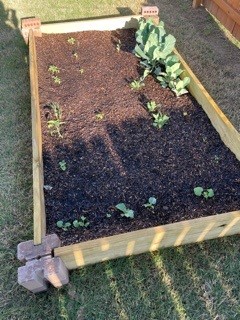
I planted a vegetable garden. At the time, I had no idea that it would prove to be therapeutic for me. It is only a small, raised bed garden that I somehow have planted to an overflowing capacity. This makes for a battle to keep my squash, zucchini, and eggplant from taking over the entire little box. Along with these aggressive space invaders, I planted tomatoes, okra, and cabbage as well. I even think that it is quite possible that I created an entirely new vegetable due to the overcrowding and plants mixing together. OK, I am joking, but still…there is joy in planting this garden.

When I began gardening, I did not realize that it would become my place and time to disengage from all the stressors in my life. Each day as I tackle the invaders growing and the natural intruders, I find myself relaxing and calming my anxieties. It is something to feel the cool soil as I dig around with my bare hands. I feel a connection with nature each day that I am in my garden.

I am not the only one who feels this way. Rooftop gardening, yes…on the roof, has been associated with better personal development and suggested enhanced physical and emotional well-being, sense of purpose, social inclusion, interpersonal relations, and quality of life (Triguero-Mas et al, 2020). What happens on the roof, happens on ground as well. I am always in my garden early in the morning before the world around me awakens. It is so serene and peaceful. I find even my breathing is more relaxed and the time helps to prepare me for the stressors I will encounter during the day. Furthermore, there are times that my family and friends get to enjoy the garden as we come together, supporting my happy pursuits with some good work and fun. Not to mention, good food afterwards.

It is also delightful to find what has grown seemingly overnight. I see it as a life metaphor, patiently waiting to see the work of my hands and nature come together to bring life into the world. I laugh at times because I never saw myself gardening. Especially, using my bare hands while doing so…oh the dirt and grime. So what about you? Do you have a garden? Are you good with plants? Do you find peace and delight working with nature? Leave your comments below.

References

Suggested citation for this article: Triguero-Mas M, Anguelovski I, Cirac-Claveras J, Connolly J, Vazquez A, Urgell-Plaza F, et al. Quality of Life Benefits of Urban Rooftop Gardening for People With Intellectual Disabilities or Mental Health Disorders. Prev Chronic Dis 2020;17:200087. DOI: http://dx.doi.org/10.5888/pcd17.200087external icon

The Power of Healthy Friendships

By Tan Walker | UAB Community Health & Human Services Intern

Photo by nappy on Pexels.com

Sometimes being with friends is all the therapy we need! Making connections is a primary human impulse. Researchers have found that people that have healthy friendships are deemed healthier and happier than those who are friendless (CDC, 2022).

Friends are essential to our well-being and are some of the most powerful bonds people have. They can also keep us grounded and help us manage the craziness that life throws at us, and provide an abundance of social support which is vital for our mental health. Having healthy friendships is powerful and has many benefits. It can help reduce stress, loneliness, and anxiety (Serene Health, 2022).

True friends will listen to our problems and support us through hard times, but it is important that we do the same for them. Here are four tips that will help us maintain healthy friendships:

1. Make time for friends – making an effort to see friends regularly is extremely important for maintaining a friendship

2. Communicate openly and honestly – try to share any thoughts and feelings with friends, and be open to hearing theirs.

3. Respect each other’s differences – It is important to value each other’s opinions and perspectives, even if we don’t always agree with each other.

4. Be supportive – Good friends are there through the good, the bad, and the ugly. If our friends are going through something, be there to listen and to provide the support that they need.

Whenever we are down, or battling with our mental health,  it is comforting to know we have people in our lives that will be there to support us always. 

References

Centers for Disease Control and Prevention (2022). Talking to Your Love Ones. Cancer Survivors. https://www.cdc.gov/cancer/survivors/healthy-living-guides/emotional-health/talking-to-loved-ones.htm

Serene Health. (2022, August 16). Friendships are essential for mental health and Wellbeing. https://serenehealth.com/mental-health-and-friendships/