Tag: Mental

Nicole Eggert’s brave battle and raising breast cancer awareness

By PHAME-US Campaign
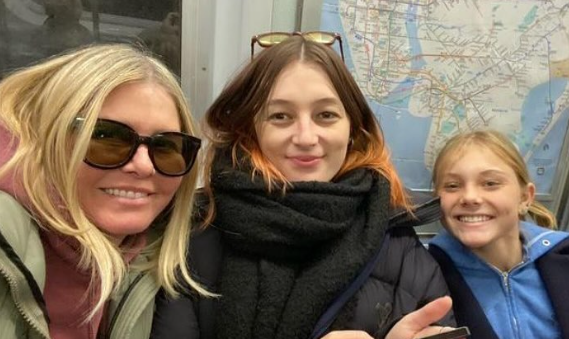
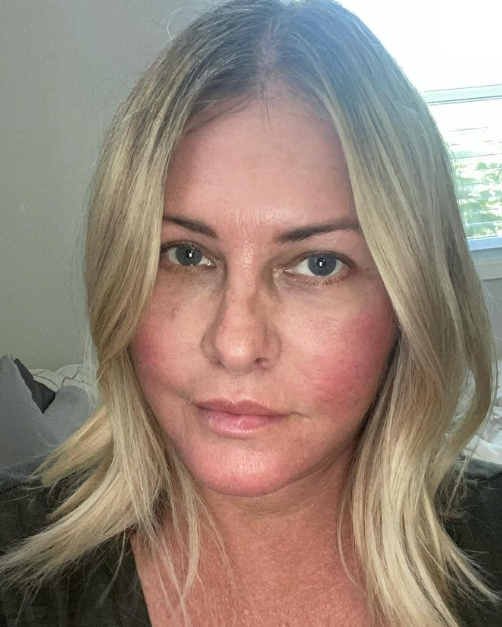
In December of 2023, Nicole Eggert shared publicly that she had been diagnosed with breast cancer. The 52 year old actress and mother of two, popularly known for her roles in popular television shows such as “Baywatch” and “Charles in Charge,” shocked her fans when she revealed her breast cancer diagnosis. By sharing her personal journey, she has become an advocate for breast cancer awareness, shedding light on the challenges that individuals facing this disease encounter.

Nicole Eggert’s decision to share her breast cancer diagnosis with the public is a commendable act that goes beyond personal vulnerability. By doing so, she has actively contributed to the ongoing conversation about breast cancer awareness. Awareness campaigns play a crucial role in encouraging early detection, emphasizing the importance of regular screenings, and dispelling myths surrounding the disease. Eggert’s openness encourages others to prioritize their health and seek medical attention when needed.

In 2024, the American Cancer Society (ACS) (n.d.) estimates about 310,720 new cases of invasive breast cancer will be diagnosed in women. Eggert’s openness about her breast cancer diagnosis not only raises awareness but also encourages a much-needed dialogue about the emotional and physical toll of the disease. The ACS (n.d.) reports that a cancer diagnosis can affect the emotional health of patients, families, and caregivers and is associated with feelings of anxiety, distress, and depression. By sharing the ups and downs of her treatment, she helps break down the stigma associated with cancer, fostering a supportive environment for those facing similar challenges. This dialogue is essential in creating a more empathetic society that understands the complexities of the cancer journey.

To reduce risk of breast cancer, the ACS recommends:

Have you used been screened for breast cancer? Is breast cancer on your health radar? What are your experiences in breast cancer prevention? We encourage the sharing of valuable information and experiences here in the comments section or here on Facebook.

References

Reflecting on a tragic moment of civil rights history and feelings of yesterday

Larrell L. Wilkinson | PHAME-US

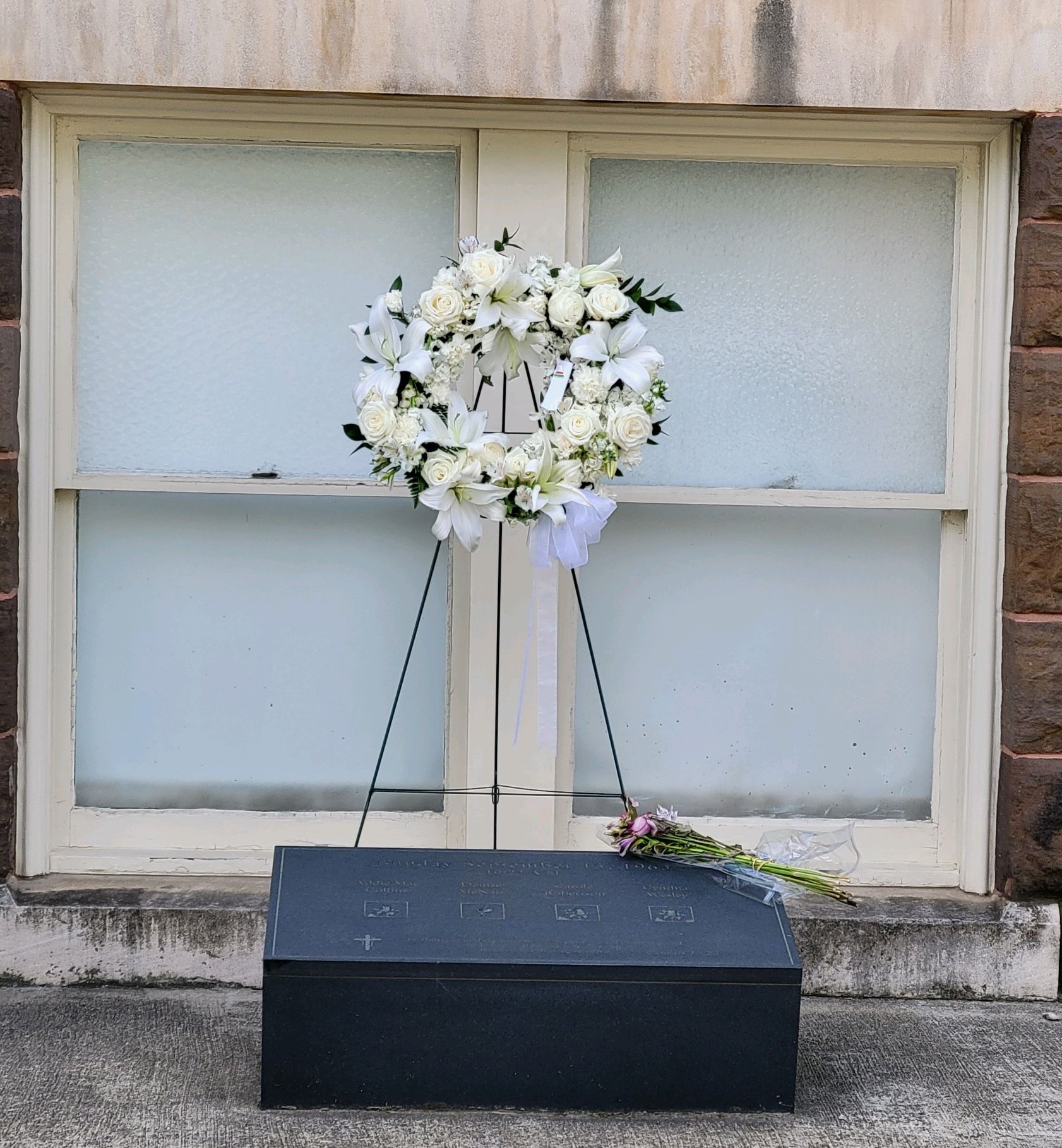
Photo of window at the 16th Street Baptist Church and memorial plaque honoring the memory of the four young girls killed by the KKK bombing of the the church on September 15, 1963.

I knew yesterday was going to hit me hard. During the early weeks of September in Birmingham, AL, the annual commemorations begin. This year marks 60 years since the tragic death of four little girls and the injuries of several others, during the turbulent days of the Civil Rights movement. The City of Birmingham honored the victims of the bombing of the 16th Street Baptist Church on September 15, 1963, during the week of remembrance.

Working in the Birmingham area, I often drive past the historic markers of the Civil Rights movement. I can see the A.G. Gaston Motel, the 16th Street Baptist Church, Kelly Ingram Park, the Birmingham Civil Rights Institute and drive to Montgomery, AL to the Equal Justice Initiative & National Memorial, Dexter Ave. Church, the Rosa Parks Museum, and sacred sites of the movement. This year, 60 years after that fateful day of losing Addie Mae Collins, Denise McNair, Carole Robertson, & Cynthia Wesley, I know that America has made progress towards racial conciliation. I see it daily at my job, during worship occasions at my church, in visiting my children’s school, walking my neighborhood and patronizing businesses in my community. Still, exercising faith for a future that overcomes the actions of hatred manifested by individuals and groups that want to further efforts to separate us in the U.S., by race, by class, by the faith we practice, by any means that furthers their hate filled mission, that faith must be strong and resilient.

The actions of 60 years ago may seem like history to some but are very relevant to communities of people who have additional concerns when we go for a jog, shop at our community stores, or worship in our churches. Our families trade text messages to remind each other to “be safe”, “travel in groups”, “don’t travel at night”, “don’t get off the phone until you get home”, “don’t get gas at night”, “don’t stop at any stores tonight, we’ll order it later”, etc. Perhaps some if you are reading this, you might say, these sayings sound like useful tips. In contrast, others reading these words understand that these aren’t just tips, but necessary actions of life preservation for people feeling maliciously targeted due to their culture. For many, events that happened 60 years ago doesn’t feel like history, it feels like yesterday. Still, these groups of people press forward in hopes that their girls and boys will experience a society where the actions of a hateful few are no longer. Their hope is in a loving God, with the direction to love Him and to also love your neighbor as yourself (New International Version, Matt. 22: 34 – 40). It is in experiencing this form of solidarity that we can share in faith, hope, and love; love being the greatest of these (New International Version, Cor. 13:13).

Reflecting on purpose when choosing close friends

By Larrell L. Wilkinson | PHAME-US Campaign

Photo by Mauru00edcio Mascaro on Pexels.com

It has been said, “birds of a feather flock together.” I heard the wise saying growing up, especially in my teen years. I would see the saying on inspirational posters or hear it from family members and/or church leaders…particularly when being encouraged to stay away from individuals that may have been troublemakers. As the admonishment would go, “avoid hanging out with (insert first name) person, else you may end up in trouble like them. Remember, “birds of a feather flock together.” I know it seems so cliché, but coming back around to this quote many years later, I will acknowledge that the friends we have around us, particularly our closest friends, will more than likely influence the direction of our life. Our closest friends are likely a significant ingredient in our life’s recipe for successfully accomplishing our goals. So then questions arise like, “what goals do I have for my life” and “how should I determine who I let into my closest friend circle?

I recently had the opportunity to reflect on the process of choosing people in support of living out purpose while listening to the Bible. In Acts of the Apostles 1:12-21 (NLT), the apostles are meeting to chose another person to become a witness with them to the resurrection of Jesus. The apostles were looking for a person who would be trusted with leading in the Gospel and joining them in the innermost circle of the work to be done. Much like friends with different life experiences, the apostle’s relationships were lets say,…very human. And when it came to choosing from among people in their network, Acts of the Apostles 1:24 suggests that the men “prayed” about the hearts of the men to join them in the inner workings of the ministry. Hmmm, praying about who I should let into my closest network of people to join me in my most important works of life. Outside of my wife, I hadn’t much thought of that.

When it comes to making friends, we are told to associate higher (associating with people in a higher social status than your current position), choose friends with similar values and/or goals to your own, or choose friends that balance your strengths/weaknesses. All of this is good advice. Additionally, let’s acknowledge that in order for us and our flock to soar towards our purpose in life, it doesn’t hurt to pray about and for the people coming into or already in our lives. Perhaps we should consider talking through (vetting) and praying with trusted people already in our lives about individuals who may join our circle? Sound too intrusive? Sound too clique’ish? What if being intentional about the type of individuals joining us on our life’s journey and mission was a key ingredient to our success? I get it. Honestly, it feels a little uncomfortable to type. However, as I travel along the lifecourse, I’ve had many good and not so good experiences.

The best contributors to my continued evolution in life have been the ones that I know God has blessed me with encountering. God has placed a great variety of people from many different backgrounds and experiences in my life to help me along the way. Sometimes I prayed and the person came, other times I met the person through a program, in school, through work, etc. and later recognized that God sent them. Overall, we seldom go wrong when we have around us, people who are positive individuals, supportive of overall health, seeking to live out a positive purpose, and willing to work as a support with you and others toward common positive goals. We’ll show love to many people and will likely have a network of people around us. There are a lot of people out there from which to choose our closest friends, so in deciding, let’s choose to be intentional and consider the power of prayer as well. It doesn’t hurt and furthermore, the intentionality and prayer may be the difference in making decisions that have lasting benefit to our lives.

The City of Birmingham 2nd Annual Mental Health Day

By The PHAME-US Campaign

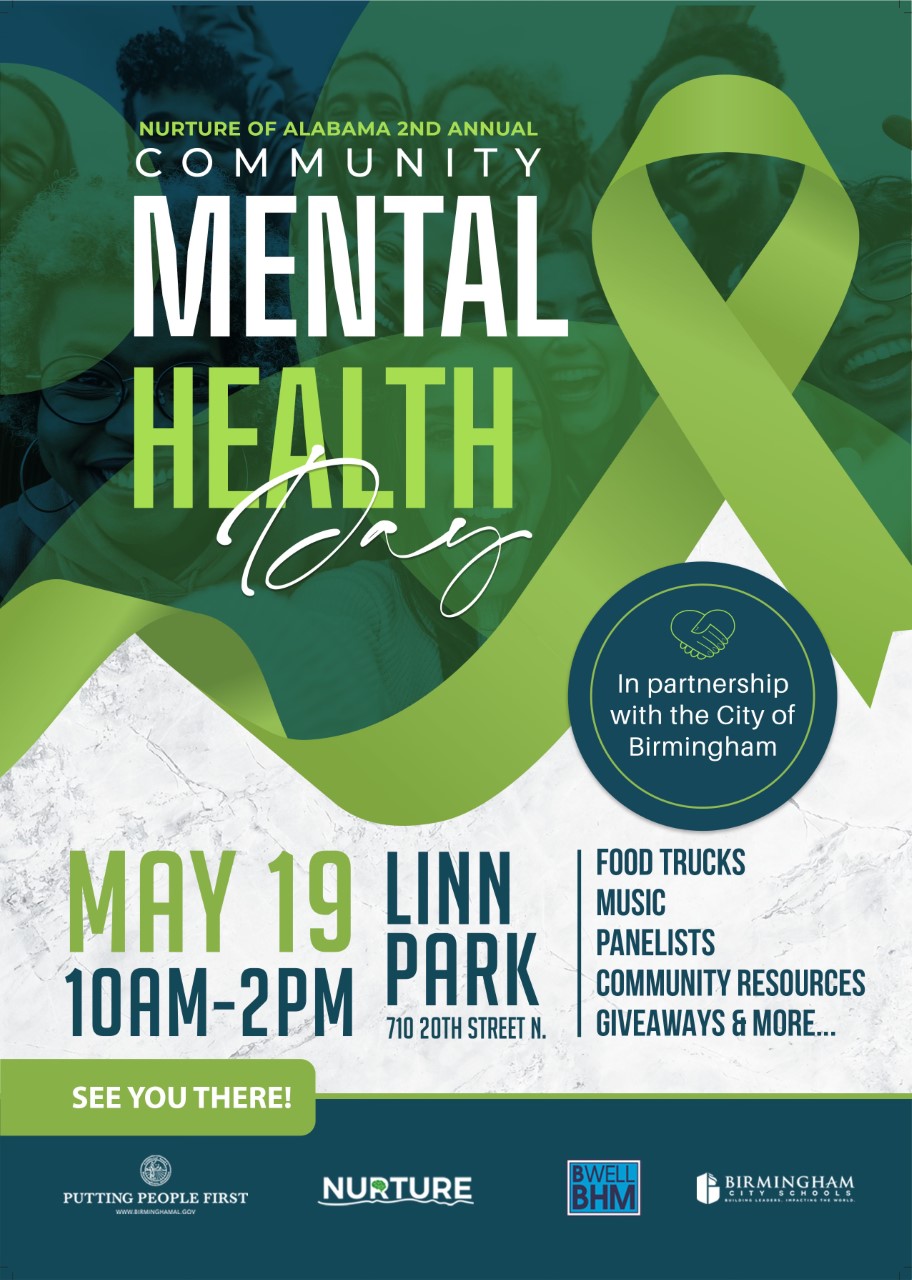
Join the PHAME-US.com and Wilkinson Wellness Lab team at this community event sponsored by Nuture, LLC, the City of Birmingham, AL and Birmingham City Schools. The event is free and open to the public.

Nurture of Alabama believes Birmingham can thrive, especially if communities address the mental health crisis experienced in our neighborhoods. Through the event Friday, May 19th, Nurture’s goals are to: 1) remove the stigma of mental health support, 2) improve mental health services accessibility, and 3) provide community education on mental health & wellness.

The event will have chair massages, a licensed professional counselor providing depression screenings, speakers,  free resources, giveaways, local food trucks,  yoga sessions, line dancing, blood pressure checks and more. So come out, have a good time, and let’s engage in mental wellness!

Ashwagandha: A Natural Way to Fight Depression or Anxiety

By Jaelyn Copeland | UAB Community Health and Human Services Intern

Depression and Anxiety are fairly common mental health issues among individuals across the world. According to the CDC, depression occurs when a sad mood lasts for a long time, and interferes with normal, everyday functioning (CDC, 2022). Symptoms of Depression include:

  • Feeling sad or anxious often or all the time
  • Not wanting to do activities that used to be fun
  • Feeling irritable‚ easily frustrated‚ or restless
  • Having trouble falling asleep or staying asleep
  • Waking up too early or sleeping too much
  • Eating more or less than usual or having no appetite
  • Experiencing aches, pains, headaches, or stomach problems that do not improve with treatment
  • Having trouble concentrating, remembering details, or making decisions
  • Feeling tired‚ even after sleeping well
  • Feeling guilty, worthless, or helpless
  • Thinking about suicide or hurting yourself

Fortunately there are existing supplements that can help treat symptoms of depression, stress and anxiety. Ashwagandha is part of an evergreen plant that grows in both Asia and Africa. The plant is known to have health benefits when ingested as teas, powders, tinctures and supplements, or in raw form (Chandrasekhar et al., 2012). Ashwagandha is a classic example of a adaptogen, a plant or mushroom used for a variety of stress-related ailments such as anxiety, sleeplessness, aging and well-being. Ashwagandha also aids the body’s ability to withstand both physical and mental stress (Kumar et al., 2021).

Here are 7 benefits of using Ashwaganda:

  • Relieves stress and anxiety 
  • Lowers blood sugar and fat
  • Increases muscular strength 
  • Improves sexual function in women
  • Boosts fertility and testosterone levels in men
  • Sharpens focus and memory 
  • Supports heart health

Ashwagandha is usually consumed by using supplement capsules or in tablet, powder, tincture and tea form (Forbes, 2023). For more creativity, you can add the raw form of Ashwagandha into nut butters, granola, smoothies and overnight oats with low exposure to high heat. Have you tried Ashwagandha? What has been your experience? Feel free to leave a comment and join us on Facebook.

Centers for Disease Control and Prevention. (2022, September 14). Mental health conditions: Depression and anxiety. Centers for Disease Control and Prevention. Retrieved February 6, 2023, from https://www.cdc.gov/tobacco/campaign/tips/diseases/depression-anxiety.html

Forbes Magazine. (2023, February 1). 7 science-backed health benefits of ashwagandha. Forbes. Retrieved February 6, 2023, from https://www.forbes.com/health/body/ashwagandha-benefits/

Kumar S, Bouic PJ, Rosenkranz B. Investigation of CYP2B6, 3A4 and ß-esterase interactions of Withania somnifera (L.) dunal in human liver microsomes and HepG2 cells. J Ethnopharmacol. 2021;270:113766.

Chandrasekhar, K., Kapoor, J., & Anishetty, S. (2012). A prospective, randomized double-blind, placebo-controlled study of safety and efficacy of a high-concentration full-spectrum extract of ashwagandha root in reducing stress and anxiety in adults. Indian journal of psychological medicine34(3), 255–262. https://doi.org/10.4103/0253-7176.106022.

Weathering the Storm, Al B. Sure is Grateful for His Second Chance at Life

Tan Walker | UAB Community Health & Human Services

You may know the artist, Al B. Sure from his hits “Nite & Day”, “Off On Your Own Girl”, or as one of the collaborators in the song “U Will Know” by Black Men United. Today, Al B. is a 54-year-old award winning R&B singer who recently awoke from a 2-month coma. He explained to his fans that he lost feeling in the left side of his body while sitting in front of a computer screen and then fell over. However, he was able to call for help since his phone was in reach at the time of the incident. He then expressed that he encountered multiple surgeries, blood transfusions, and an organ transplant during his hospital stay. He also had pneumonia, became septic, and had his lymph nodes removed (Daniels, 2022). Despite all of the health challenges that he went through, he is extremely thankful to be “alive, alert, and gradually healing.” He also says that is “maintaining a positive mindset throughout this healing process” (Daniels, 2022).

Al B. has overcome many obstacles in his life in such a short time, yet he still remains positive through the storm. It can sometimes be hard for people to become bigger than their circumstances and exercise the strength, courage, and faith to make it through the challenging times. This is what is meant by being resilient.

Photo by Ann H on Pexels.com

Resilience is the process and outcome of successfully adapting to difficult or challenging life experiences, especially through mental, emotional, and behavioral flexibility and adjustment to external and internal demands (APA, 2022). Part of being resilient is remaining positive and optimistic when experiencing challenges.

Here are a few tips to stay positive during hard times:

  • Acknowledge all of the good things in your life
  • Look at your situation from a different perspective
  • Focus on the things you can control
  • Spend time with positive people
  • Ask for help when you need it

No matter how hard a situation may be, it is important to stay positive and not let your circumstances define you!

References

American Psychological Association. (2022). APA Dictionary of Psychology (2nd ed.). Retrieved November 18, 2022, https://dictionary.apa.org/?_ga=2.261668622.261180337.1668820604-1749021350.1667872057.

Daniels, K. F. (2022, November 5). R&B singer Al B. sure! shares health update after 2-month coma and organ transplant. Al B. Sure! shares health update about 2-month coma ordeal. Retrieved November 18, 2022, from https://www.nydailynews.com/snyde/ny-al-b-sure-health-update-two-month-coma-20221105-t3tayky6bnhrbb557go5cdmisq-story.html 

Kirsten Parker, M. F. A. (2021, November 16). 10 ways to keep positive during Hard Times. wikiHow. Retrieved November 18, 2022, from https://www.wikihow.com/Keep-Positive-During-Hard-Times#:~:text=How%20to%20Keep%20Positive%20During%20Hard%20Times%201,…%208%20Practice%20breathing%20meditation.%20…%20More%20items 

What Do I Do Now?: Overcoming Stagnancy in Life

By Tan Walker|UAB Community Health and Human Services Intern

Photo by Luca Nardone on Pexels.com

There are times in life when we feel like we are excelling and accomplishing our goals. There are also times where we feel stagnant, and our lives have come to a complete halt. Believe it or not, it is quite common for us to sometimes feel uninspired and unmotivated to complete certain tasks or become a victim of procrastination. This can feel like a never-ending cycle of feeling like we’re on top of the world and drowning all at once. Here are some signs that you are stagnating:

  • If you are experiencing chronic procrastination on your goals and aspirations
  • If you’re not in the mood to do anything
  • If you rely on sleep, eating, and other activities for entertainment and comfort
  • If you know you should be doing something, but you keep avoiding it
  • If you have not achieved anything new in the last few months
  • If you feel like you are not reaching your potential

Trying to face stagnation in life can be a sign of a deeper problem. It is important to not eat yourself up over it and focus on overcoming this feeling. These few steps can help you gain the momentum you need to help you get back on track: 

Realize that you aren’t alone- Everyone feels stagnant at some point or another. You are not alone, and it is completely normal.

Find things that inspire you- Set goals for yourself and believe that there are no limitations for yourself.

Give yourself a break- Normalize taking breaks for yourself. Taking 3-6 months to rewind and regroup can be very beneficial.

Change your daily routines- It’s okay to change things around. Doing the same things over and over again can sometimes make us stagnant.

Make a small step- It is important to take action towards the goals that you set. Don’t be afraid of the unknown, or worry about being a perfectionist. Take things one day at a time!

Always remember that everything starts with us. We are responsible for what we choose to do within our lives and how we feel about certain things. Don’t let stagnation define you!Celestine ChuaCelestine is the Founder of Personal Excellence where she shares her best advice on how to boost productivity and achieve excellence in life. Read full profile by following the link below.

Chua, C. (2020, January 21). 5 steps to move out of stagnancy in life. Lifehack. Retrieved November 7, 2022, from https://www.lifehack.org/articles/featured/5-steps-to-move-out-of-stagnancy-in-life.html

Gardening Is My Mental Health Therapy

By Reginia Dodson | UAB Community Health and Human Services Intern

Photo by Alexander Grey on Pexels.com

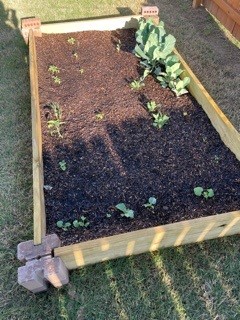
I planted a vegetable garden. At the time, I had no idea that it would prove to be therapeutic for me. It is only a small, raised bed garden that I somehow have planted to an overflowing capacity. This makes for a battle to keep my squash, zucchini, and eggplant from taking over the entire little box. Along with these aggressive space invaders, I planted tomatoes, okra, and cabbage as well. I even think that it is quite possible that I created an entirely new vegetable due to the overcrowding and plants mixing together. OK, I am joking, but still…there is joy in planting this garden.

When I began gardening, I did not realize that it would become my place and time to disengage from all the stressors in my life. Each day as I tackle the invaders growing and the natural intruders, I find myself relaxing and calming my anxieties. It is something to feel the cool soil as I dig around with my bare hands. I feel a connection with nature each day that I am in my garden.

I am not the only one who feels this way. Rooftop gardening, yes…on the roof, has been associated with better personal development and suggested enhanced physical and emotional well-being, sense of purpose, social inclusion, interpersonal relations, and quality of life (Triguero-Mas et al, 2020). What happens on the roof, happens on ground as well. I am always in my garden early in the morning before the world around me awakens. It is so serene and peaceful. I find even my breathing is more relaxed and the time helps to prepare me for the stressors I will encounter during the day. Furthermore, there are times that my family and friends get to enjoy the garden as we come together, supporting my happy pursuits with some good work and fun. Not to mention, good food afterwards.

It is also delightful to find what has grown seemingly overnight. I see it as a life metaphor, patiently waiting to see the work of my hands and nature come together to bring life into the world. I laugh at times because I never saw myself gardening. Especially, using my bare hands while doing so…oh the dirt and grime. So what about you? Do you have a garden? Are you good with plants? Do you find peace and delight working with nature? Leave your comments below.

References

Suggested citation for this article: Triguero-Mas M, Anguelovski I, Cirac-Claveras J, Connolly J, Vazquez A, Urgell-Plaza F, et al. Quality of Life Benefits of Urban Rooftop Gardening for People With Intellectual Disabilities or Mental Health Disorders. Prev Chronic Dis 2020;17:200087. DOI: http://dx.doi.org/10.5888/pcd17.200087external icon

Journaling Can Benefit Your Mental Health

By Tan Walker | UAB Community Health & Human Services Intern

Photo by Negative Space on Pexels.com

When you think of “journaling”, it is easy to picture a young girl locked away in her room writing about her high-school crush in a diary with a lock on it. Although this is an easy perception to have, it likely matches with the overall consensus for adults: journaling is for young people still trying to figure out their purpose in life and gossiping about the latest high school drama.

Believe it or not, many adults own a journal of some sort. Whether it’s a diary, a 3 subject notebook, notes taken on a smartphone, or just a plain sheet of paper and a pen: journaling has no required format. Journaling only requires that you share your thoughts openly. Effective journaling can help you meet your goals or improve your quality of life (Ackerman, 2022; Purcell, 2006). Although personal goals vary from person to person, they are almost always positive and journaling can be a process that support goal accomplishment.

Effective journaling can help you clear your head, reduce anxiety, and it can also help you connect your thoughts, feelings, emotions, and behaviors. But how exactly does dumping words on a page have an impact on your mental health?

Well, journaling has been proven to help people struggling with a mental illness or people who want to improve their mental health (Ackerman, 2022; Purcell, 2006). More specifically, effective journaling has been found to:

Boost your mood
Enhance your sense of well-being
Reduce symptoms of depression
Reduce symptoms of trauma and PTSD
Improve your work memory

Here are some following tips to ensure your journaling is effective:

Write in a space free of distractions
Journal at least once a day
Keep your journal private -“my eyes only”
Be in control of the topic and structure of your writing

Try journaling today! The process may take some time, but the benefits can support your health and quality of life. It can be fun! Whether you choose to write about how your day went or your current thoughts and emotions, the fun part is that you get to choose what your narrative will be!

Courtney E. Ackerman, M. A. (2022, September 8). 83 benefits of journaling for depression, anxiety, and stress. PositivePsychology.com. Retrieved September 8, 2022, from https://positivepsychology.com/benefits-of-journaling/

Purcell, M. (2006). The Health Benefits of Journaling. Psych Central. Retrieved on October 10, 2022, from http://psychcentral.com/lib/the-health-benefits-of-journaling/000721

Overcoming the Mental Health Stigma and Seeking Mental Care

By Tan Walker | UAB Community Health & Human Services Intern

Photo by Alex Green on Pexels.com

Suicide was the second leading cause of death for African Americans ages 15 – 24 in 2019 (Office of Minority Health, 2022). This alarming trend is very concerning, particularly because mental health professionals believe they can support these young people through their circumstances. The highest proportion of suicide deaths occurs among African Americans, ages 25-34. Why is this happening?

African Americans (AAs) may be stigmatized against seeking help from mental health professionals. This thought process may be linked to a cultural legacy where AAs endured the surviving of many cruel and inhumane circumstances within the United States. Many African Americans experience poverty at least once in their lives. This alone has negatively affected the mental health status of the black community. In fact, those living below the poverty level are twice as likely to encounter serious psychological distress (Office of Minority Health, 2022).

When encountering hardships, African Americans may work to suppress their emotions, resulting in them “doing what they have to do” to make it through each day. Taking mental breaks, seeking therapy, and expressing thoughts and feelings are not often discussed or practiced in the African American community.

Unfortunately, suicide rates among Black Americans have continued to progressively increase since the beginning of the COVID-19 pandemic. What better time to be proactive in addressing it than now?

Suicide is one of the most preventable public health problems, and young adults are at higher risk than any other demographic. Here are a few suicides prevention tips for young African American adults:

– Know the Signs
– Practice Self Care
– Research local counseling resources
– Call, text, or chat 988 to get connected with the National Suicide Prevention Hotline

References

Office of Minority Health. Mental and Behavioral Health – African Americans – The Office of Minority Health. (n.d.). Retrieved September 3, 2022, from https://minorityhealth.hhs.gov/omh/browse.aspx?lvl=4&lvlid=24

Schimelpfening, N. (2020, December 8). How you can help someone one is suicidal. Verywell Mind. Retrieved September 3, 2022, from https://www.verywellmind.com/suicide-prevention-tips-1067531