Author: reginiad

Hair Straighteners: What you NEED to know

Reginia Dodson | UAB Community Health and Human Services Intern

Photo by Dellon Thomas on Pexels.com

The use of alleged natural products to straighten African American women’s hair seems somewhat formidable in nature but also seems important knowing the composition of hair and its structure that deems safe. The natural products used to straighten the hair are an alternative that may seem safe because of the term “natural” being used. The bottom line is that they all contain duplicate chemicals that will eventually become formaldehyde when heated. Most treatments won’t last long, meaning that after about 6 months the results will start to wash out, yet they claim to be free of harmful chemicals. Certain types of hair straightening methods may not cause cancer to most females but in turn, it will cause damage to the hair that is irrespirable and cause hair loss because the follicle is severely damaged. If the hair begins to grow back it will look drastically different from the straightened hair therefore meaning that another hair straightening must be applied to look coherent with the growth that is new.

Permanent hair straightening doesn’t mean it last forever. The results of hair straightening vary widely and are dependent upon the hair type and texture, meaning the life cycle of hair determines how long it will lay. Using hair straightening products is solely up to the consumer and what they are willing to sacrifice in order to get that look or to keep up with the current trend that’s acceptable or cool. Hair weave and extensions have become a healthier substitute or alternative as opposed to hair straightening products and chemicals because they need no chemicals to maintain the straight-hair appeal (Gathers, et.al,2014)

The National Institute of Health reported in 2022 that African American women had an increased risk of getting hormone-related cancer from applying products using hair straightening chemicals and dyes. The cancer most prevalent in African American women from this study was found to be uterine cancer. The frequency of cancer from using these hair straightening products was double that of their counterparts. The terms used to identify, and disguise these cancerous product sources are commonly known as perms or relaxers. African American women are more susceptible to these cancers from extended use over a long period of time because these treatments tend to straighten the hair present and not the hair being grown such as “new growth.”

There are several types of hair straightening methods:

  • Professional hair straightening (permanent) Salon appointment usually takes about two hours dependent upon the length of hair ($50)
  • At-Home hair straightening relaxing kits that are chemical based with the same results as the salon visit ($15)
  • Keratin hair straightening and Brazilian Blowouts straighten hair similar to other hair straightening methods but require several salon visits for completion of the application and last at least 3 to 5 months before a redo ($150)
  • Japanese Therma Straightening known as an “acid perm” requires 5 to 6 hours at a salon but lasts up to 6 months. This method uses a neutralizer that causes the hair to lock into a new shape ($200-800)
  • Hair Rebounding converts hair that is curly and wavy to straight in about 2 to 4 hours. This process uses formaldehyde which is a known cancer-causing agent but is able to straighten the hair much faster than all the other processes. The cost varies from ($250-1000) (Watson, 2023)

The most important thing to remember any time you are using products is do your research! Find a technique that is both affordable and safe for you.

References:

Gathers, C.R. & Mahan, M.G. (2014, Sep) African American Women, Hair Care, and Health

Barriers. https://www.ncbi.nlm.nih.gov/pmc/articles/PMC4174916/

Watson, K. (2023, May) Everything You Want to Know About Permanent Hair Straightening. https://www.healthline.com/health/beauty-skin-care/permanent-hair-straightening
You Better Believe Them

By Reginia Dodson | UAB Community Health and Human Services Intern

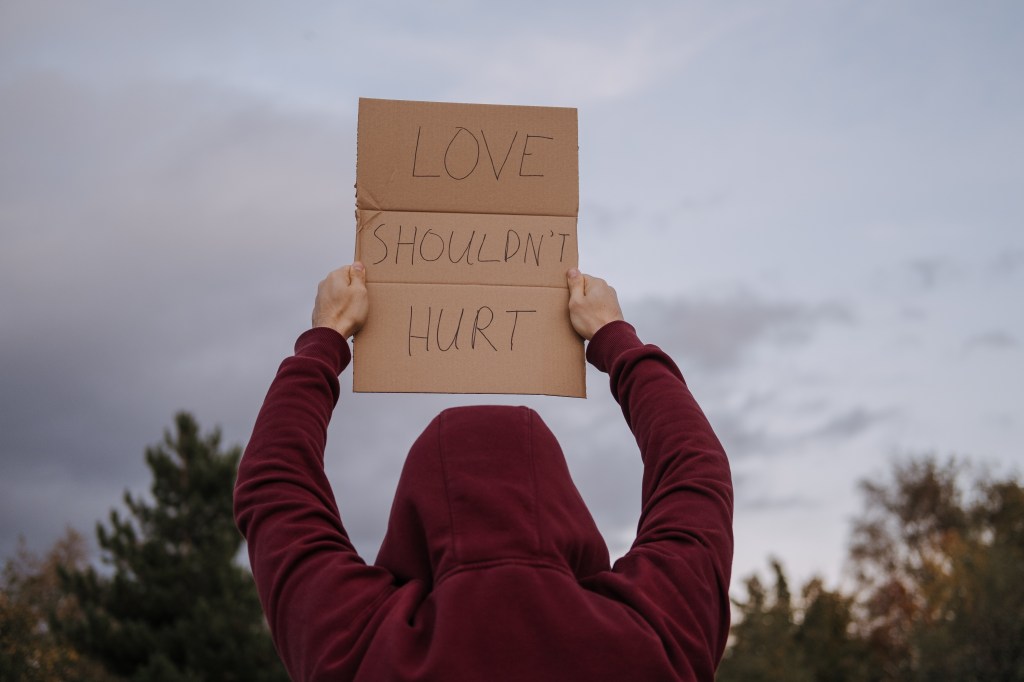
In the famous words of Maya Angelou, “When someone shows you who they are, believe them the first time” (Maya Angelou, 2023). Often, we as women, and most importantly black women tend to overlook all of the warning signs of a toxic relationship. This may include a romantic, friendship, or even a professional relationship.

Abuse is a pattern of behavior used by one person to gain and maintain power and control over another (Team, 2021). DMost women often ignore the tell-tale signs of an abuser, Abuse comes in all forms such as verbal, physical, and financial. It can come in form of your good friend that always needs to borrow that little $40 she can never seem to pay back. It is amazing how little your $40 becomes when you dare to ask for them back. The excuses you hear when you ask to become a barrage of putdowns and make the situation even worse. Nevertheless, this is an example of financial abuse.

Next, we have the person that always has something negative to say, or makes a harsh comment that may offend us in some way. This is sign of verbal abuse. Sometimes it is easy for us to ignore these statements and signs, or to justify their reasoning behind their actions, but this behavior should not be tolerated.

Lastly, we have the outright physical abuser. This particular person wants to physically harm you. “But it was only one time, they promised me it wouldn’t happen again “, a common yet horrific statement of those suffering from physical abuse. If someone causes us harm, we should run and never look back. Physical abuse can ultimately lead to permanent injury or even death.

You better believe them all. We should be able to identify our limitations and boundaries; and consider them often when experiencing abuse. No relationship is worth a hit to your mental, financial, or physical health so protect it at all costs.

References

Maya Angelou quotes. (n.d.). Retrieved March 28, 2023, from https://www.brainyquote.com/quotes/maya_angelou_383371

Team, R. (2021, August 24). 6 different types of abuse. Retrieved March 28, 2023, from https://reachma.org/blog/6-different-types-of-abuse/

Gardening Is My Mental Health Therapy

By Reginia Dodson | UAB Community Health and Human Services Intern

Photo by Alexander Grey on Pexels.com

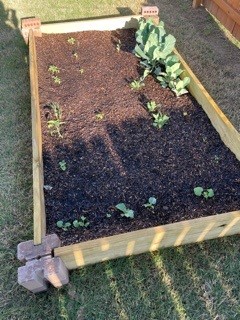
I planted a vegetable garden. At the time, I had no idea that it would prove to be therapeutic for me. It is only a small, raised bed garden that I somehow have planted to an overflowing capacity. This makes for a battle to keep my squash, zucchini, and eggplant from taking over the entire little box. Along with these aggressive space invaders, I planted tomatoes, okra, and cabbage as well. I even think that it is quite possible that I created an entirely new vegetable due to the overcrowding and plants mixing together. OK, I am joking, but still…there is joy in planting this garden.

When I began gardening, I did not realize that it would become my place and time to disengage from all the stressors in my life. Each day as I tackle the invaders growing and the natural intruders, I find myself relaxing and calming my anxieties. It is something to feel the cool soil as I dig around with my bare hands. I feel a connection with nature each day that I am in my garden.

I am not the only one who feels this way. Rooftop gardening, yes…on the roof, has been associated with better personal development and suggested enhanced physical and emotional well-being, sense of purpose, social inclusion, interpersonal relations, and quality of life (Triguero-Mas et al, 2020). What happens on the roof, happens on ground as well. I am always in my garden early in the morning before the world around me awakens. It is so serene and peaceful. I find even my breathing is more relaxed and the time helps to prepare me for the stressors I will encounter during the day. Furthermore, there are times that my family and friends get to enjoy the garden as we come together, supporting my happy pursuits with some good work and fun. Not to mention, good food afterwards.

It is also delightful to find what has grown seemingly overnight. I see it as a life metaphor, patiently waiting to see the work of my hands and nature come together to bring life into the world. I laugh at times because I never saw myself gardening. Especially, using my bare hands while doing so…oh the dirt and grime. So what about you? Do you have a garden? Are you good with plants? Do you find peace and delight working with nature? Leave your comments below.

References

Suggested citation for this article: Triguero-Mas M, Anguelovski I, Cirac-Claveras J, Connolly J, Vazquez A, Urgell-Plaza F, et al. Quality of Life Benefits of Urban Rooftop Gardening for People With Intellectual Disabilities or Mental Health Disorders. Prev Chronic Dis 2020;17:200087. DOI: http://dx.doi.org/10.5888/pcd17.200087external icon